
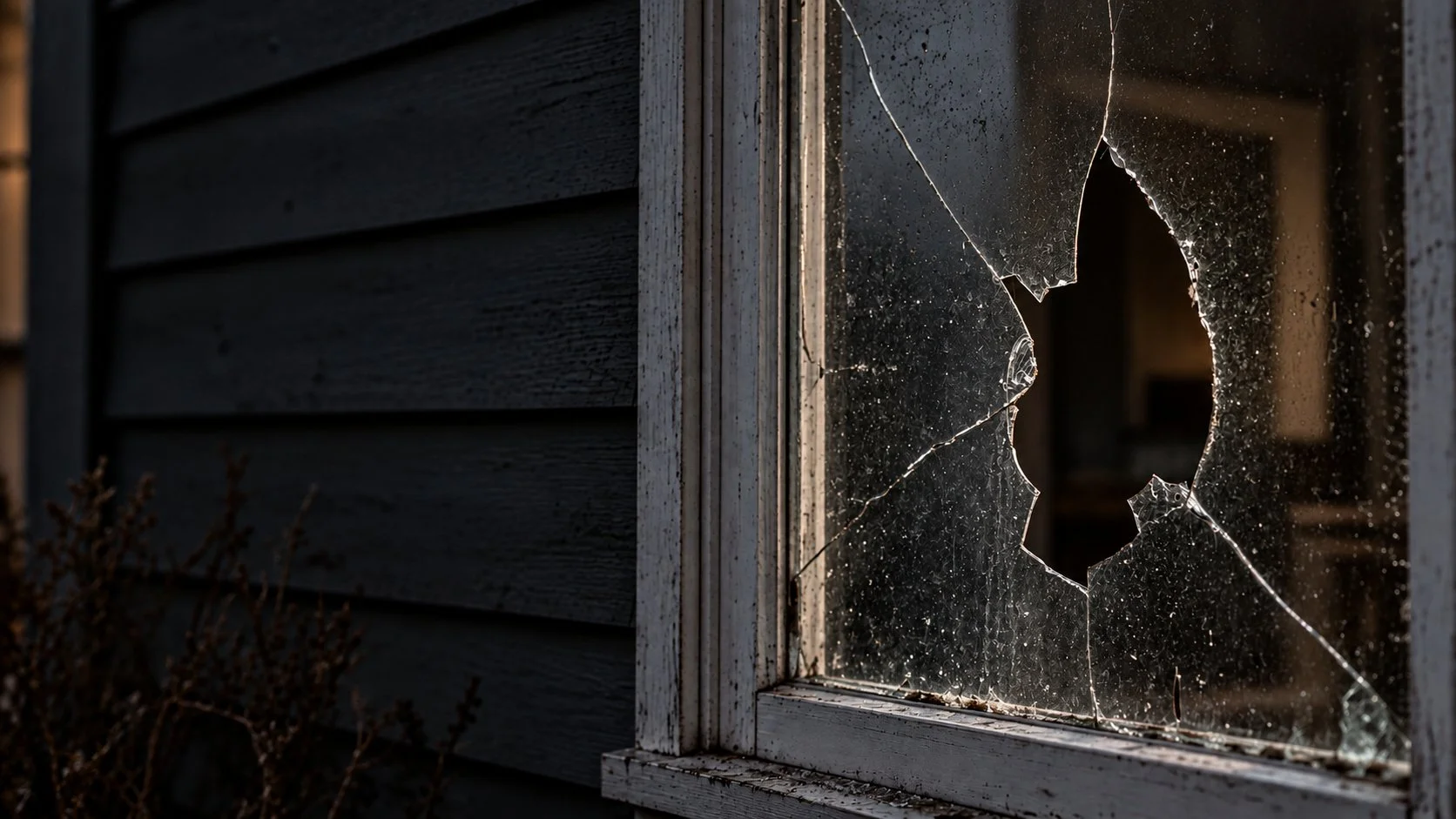
Southwest Minnesota Criminal Damage to Property Defense Attorney
How Did a Damaged Door, Car, or Window Turn Into a Criminal Case?
You may find yourself thinking, this got out of hand fast. Maybe something was damaged during an argument. Maybe it was an accident. Maybe someone else caused it, or the repair estimate seems completely disconnected from what actually happened.
Was the damage intentional? Can the state prove who caused it? What happened before and afterward? And how much damage was actually done?
I want to understand the whole situation. Then we can look at what the evidence actually supports, what is being assumed, and what those differences mean for the charge you are facing.
What Happened Before Everything Went Sideways?
A photograph can show that property was damaged without showing who caused it or why. A repair estimate can put a number on the loss without establishing that every item in the estimate resulted from the incident. A witness may describe an argument or confrontation without actually seeing how the damage occurred.
Some cases turn on identity. Some turn on whether the damage was intentional or accidental. Others turn on consent, preexisting damage, or whether the state can prove the amount necessary for the degree charged. If the prosecution is relying on a special circumstance to increase the charge, that fact needs to be supported too.
I start by reconstructing the whole sequence of what happened before, during, and after the damage. Then I look at what the evidence actually proves about who caused it, whether it was intentional, what the property was worth or what it actually cost to repair, and whether the facts support the charge the state filed.
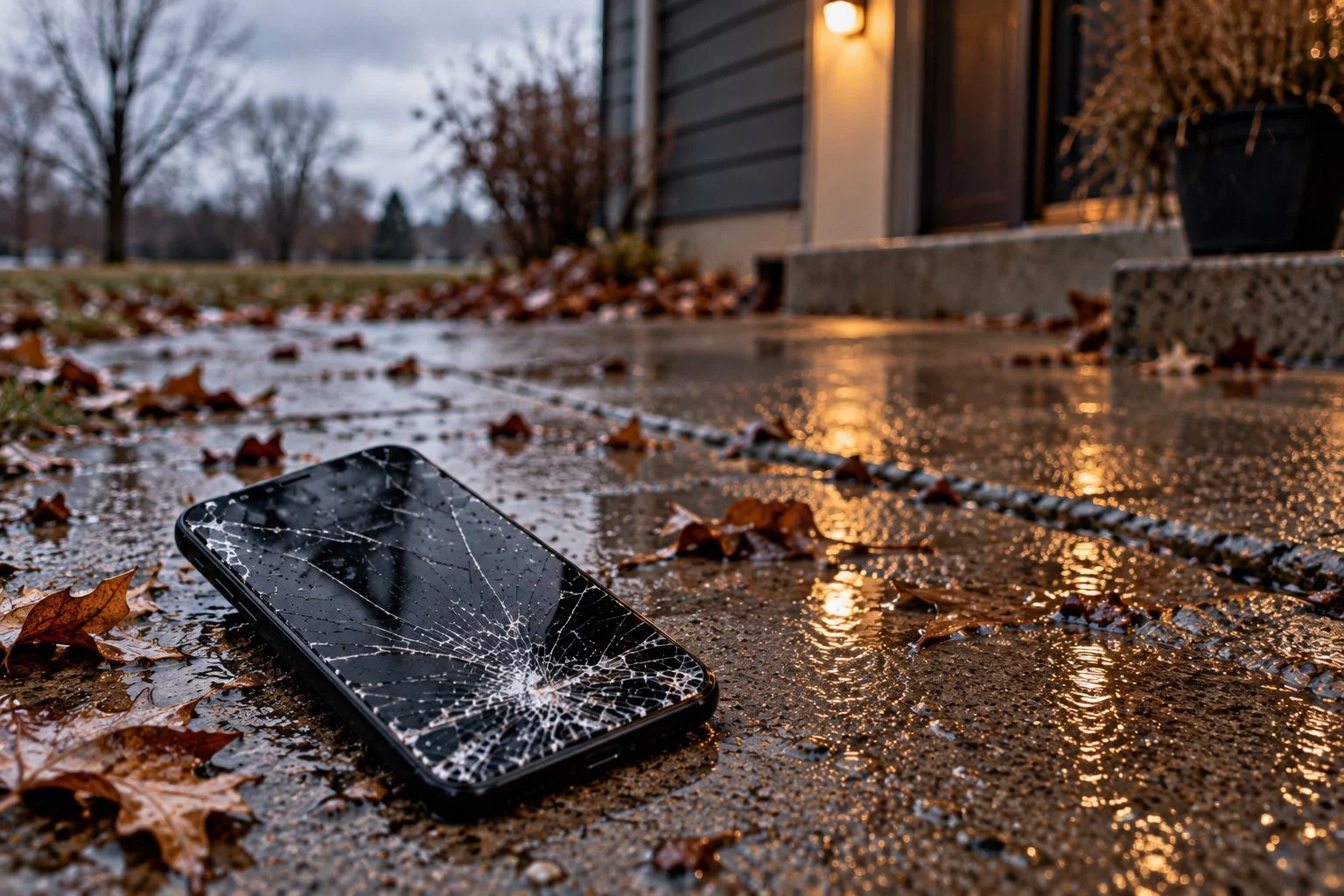
What is considered Criminal Damage To Property in Minnesota?
Understanding Minnesota Criminal Damage to Property Charges
Minnesota Statute § 609.595 generally applies when a person intentionally causes damage to another person's physical property without that person's consent. The degree of the offense depends not only on the dollar amount of the damage, but also on circumstances such as a reasonably foreseeable risk of bodily harm, damage to certain public-safety or common-carrier property, prior qualifying property-damage convictions, or specified bias-motivated conduct.
First- and second-degree criminal damage to property are felony offenses. Third-degree criminal damage to property is generally a gross misdemeanor, and fourth-degree criminal damage to property is a misdemeanor.
The Evidence & The Law: What I Look at in a Criminal Damage to Property Case

What Actually Happened?
What was damaged, when did it happen, and what does the evidence show about how it happened?
Was the damage intentional, accidental, already there, or caused in some other way?
Did the person who owned or controlled the property consent to what happened?
Who Actually Caused the Damage?
Do the video, photographs, witnesses, messages, body-camera recordings, or other evidence actually show who caused it?
Is the accusation based on something someone saw, or on an assumption because there was an argument, someone was nearby, or something happened afterward?
If fingerprints, DNA, tool marks, paint transfer, or other physical evidence is involved, what does that evidence really tell us about who caused the damage?
What Is the Damage Really Worth?
What photographs, estimates, invoices, repair records, or replacement records support the amount being claimed?
Does that number include damage that was already there, unrelated repairs, or work that cannot be tied to this incident?
Once the unsupported amounts are taken out, does what remains still support the level of charge the state filed?

How a Criminal Damage to Property Defense Works
What Working Together Looks Like
The Initial Intake Conversation
When you reach out, you will speak directly with me. When possible, I review the publicly available information about your case before we talk so the conversation can focus on what matters most to you. That may be what the complaint says happened, what property was allegedly damaged, whether police want a statement, what photographs or video may exist, whether restitution is being discussed, or what happens next in court.
Clear, Predictable Flat Fees
Uncertainty is hard enough without wondering what every phone call or email will cost. I work on a transparent flat-fee basis for the defense phase. You will know my legal fee upfront. The defense phase covers my time reviewing evidence, investigating the case, communicating with you, negotiating, preparing motions, conducting legal research, appearing at motion hearings, traveling when necessary, and taking the time to understand your concerns and answer your questions. If the case proceeds to trial, there is a separate, transparent trial fee. No surprise hourly bills.
Reconstructing What Happened and What Was Damaged
Once retained, I obtain and review the evidence that matters to your charge. Depending on the case, that may include the complaint, police reports, body-camera or squad video, surveillance recordings, photographs, 911 or dispatch records, witness statements, text messages, social-media communications, repair estimates, invoices, insurance records, and other evidence connected to the claimed damage.
I want to know what condition the property was in before the incident, what changed, who actually observed the damage occur, and how the claimed dollar amount was calculated. I compare the reports and estimates to the photographs, recordings, statements, and other available evidence to see whether the state can actually prove intentional damage at the level charged.
Further Information on Minnesota Criminal Damage to Property Charges
Frequently Asked Questions
-
The penalty depends on the degree and the facts that support it. First-degree criminal damage to property is a felony carrying a maximum of five years in prison and a $10,000 fine. It can apply when, for example, the damage creates a reasonably foreseeable risk of bodily harm, involves certain public-safety or common-carrier property, exceeds $1,000 in value, or exceeds $500 when there is a qualifying recent property-damage conviction. Second-degree criminal damage to property is a felony carrying a maximum of one year and one day and a $3,000 fine when specified bias-motivated circumstances are proved. Third-degree criminal damage to property is generally a gross misdemeanor carrying up to 364 days in jail and a $3,000 fine, including when the damage is more than $500 but not more than $1,000 or involves a public-safety motor vehicle. Fourth-degree criminal damage to property is a misdemeanor in other circumstances.
-
Yes. Minnesota's criminal-damage statute requires intentional damage to another person's physical property without consent. That makes the difference between intentional conduct and an accident important. The fact that property was damaged does not, by itself, establish the required intent to make it criminal.
-
For the value-based portions of Minnesota's statute, the amount is measured by the reduction in value of the property using the cost of repair and replacement. Photographs, estimates, invoices, repair records, replacement records, the condition of the property before the incident, and whether all claimed work is actually tied to the incident can therefore matter. A repair estimate is evidence of the amount claimed; it still needs to be evaluated in context.
-
Preexisting damage can matter to both causation and value. The state should be able to distinguish the damage allegedly caused during the charged incident from damage that was already present or resulted from something else. Earlier photographs, maintenance records, repair history, witness accounts, or other records may help answer that question.
-
Not automatically. Restitution or payment for repairs can matter in negotiations and at sentencing, but the prosecutor controls whether a criminal charge is dismissed or reduced. Whether and how restitution should be addressed is something to discuss with your attorney in the context of the whole case.
-
Yes. First-degree criminal damage to property is a felony when one of the circumstances listed in Minn. Stat. § 609.595, subdivision 1, is proved. Second-degree criminal damage to property is also a felony when the state proves specified bias-motivated circumstances. The felony label therefore depends on more than the fact that property was damaged; the state must prove the additional facts required by the particular subdivision.
-
Sometimes. A charge may change because the evidence does not prove who caused the damage, does not establish intentional conduct, does not support the amount claimed, does not prove a fact required for the degree charged, or because the parties reach a negotiated resolution. The answer depends on the evidence, the statute charged, prior history when relevant, and the circumstances of the particular case.
Get in Touch with a Minnesota Criminal Damage to Property Defense Attorney
Tell Me What Happened Before It Got This Far
If you are looking at this charge thinking, “How did this turn into a criminal case?” call me. We can talk through what happened and where things stand now.