
Southwest Minnesota Felon In Possession Defense Attorney
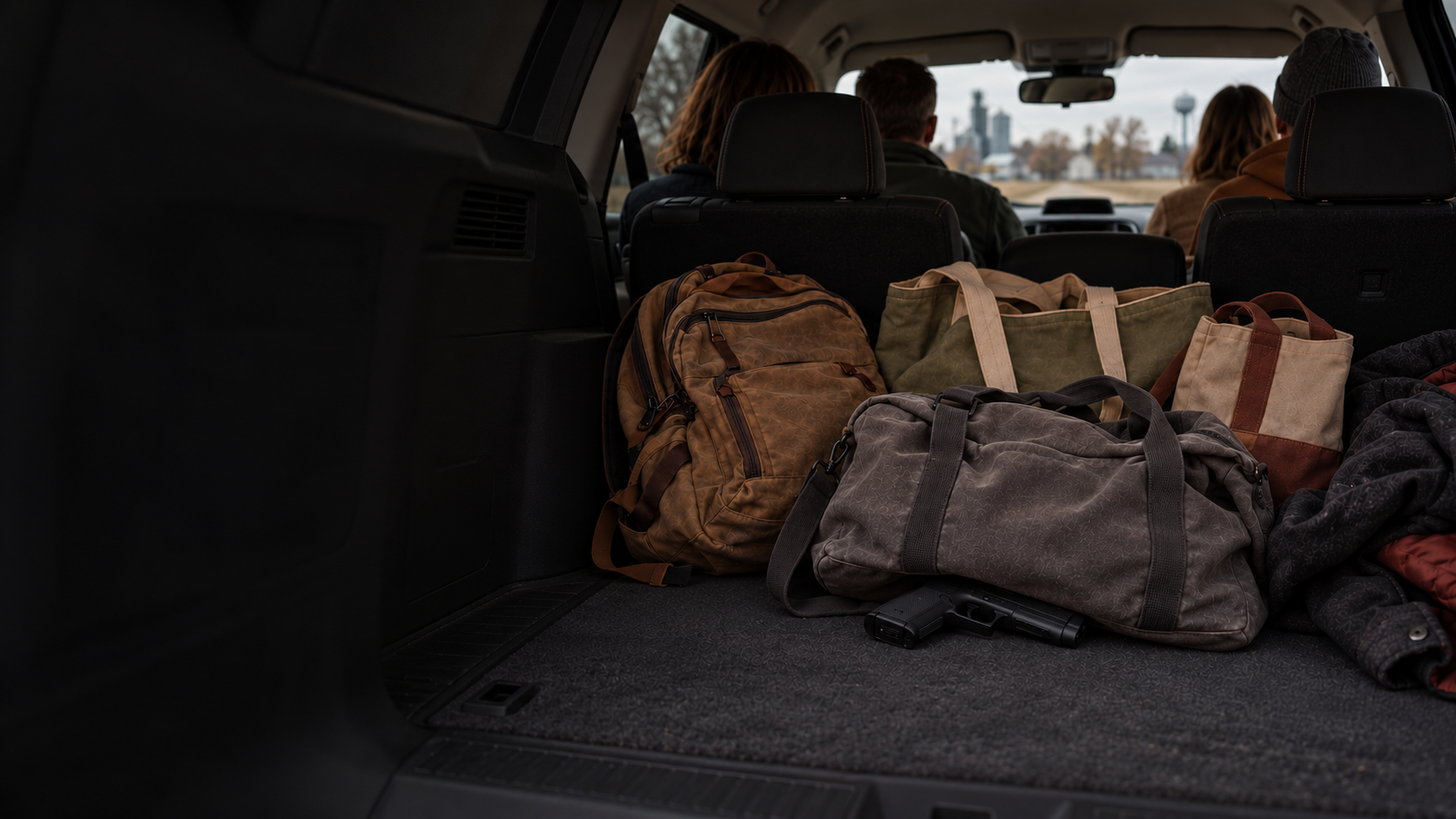
How Did This Become My Gun?
When a gun is found, it can feel like everyone has already decided it was yours. But what if other people had access to it? What if it was found in a car or home others used or had access to? What if they say my DNA was on it? Am I really facing a mandatory prison sentence? Together, we look closely at what actually connects you to the firearm, what the state is assuming, and what Minnesota law actually requires the state to prove.
Possession Is More Than Proximity.
Minnesota recognizes both actual and constructive possession. When a firearm is not physically on a person, the case often turns on constructive possession: whether the firearm was found in a place under that person’s exclusive control or, if other people had access, whether the surrounding evidence strongly supports that the person was consciously exercising dominion and control over it.
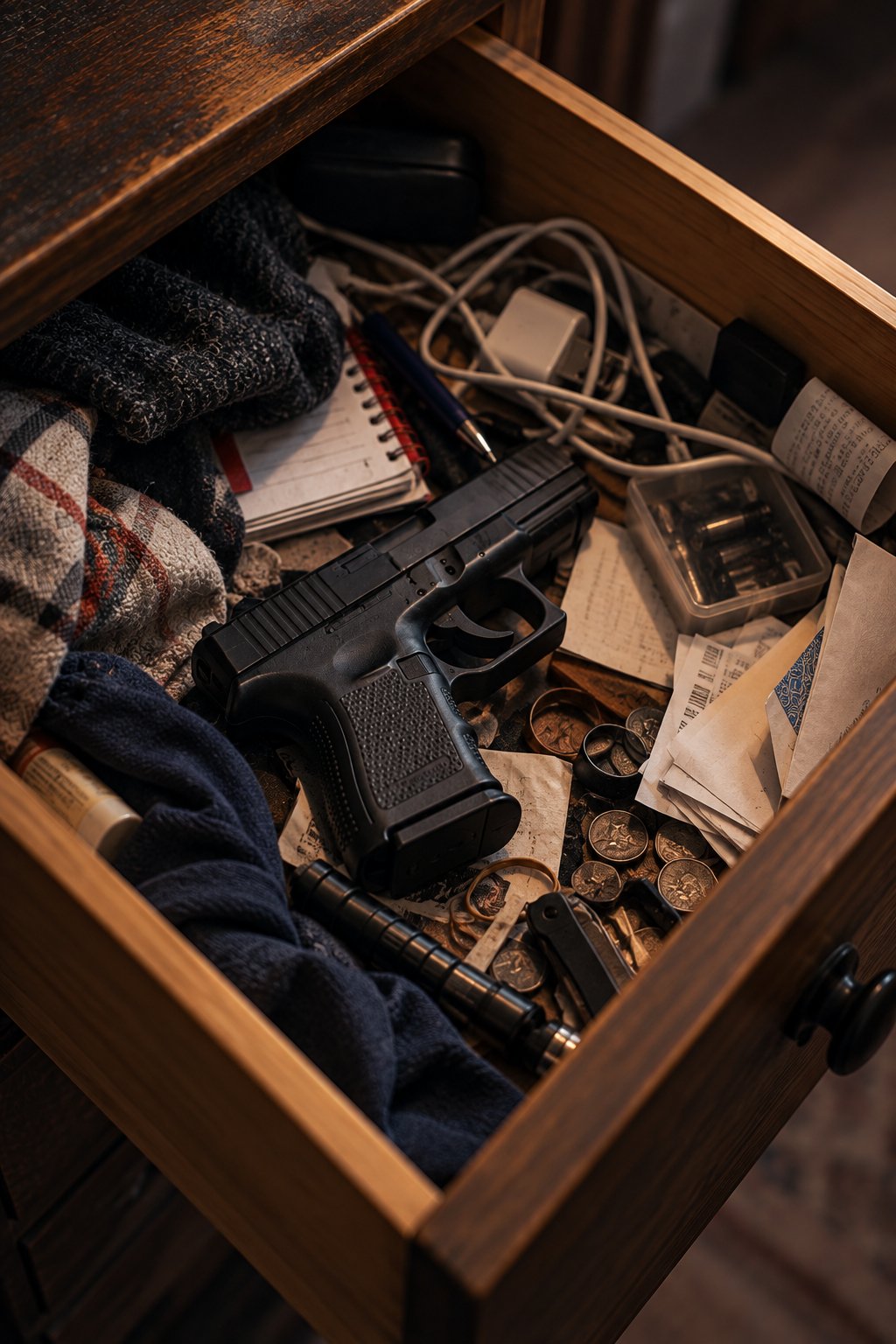
A firearm under a seat in a shared vehicle, inside a home where several people live, or in a bag, drawer, garage, or container can raise very different questions about knowledge and control. Who used the space? Who had access to it? Who knew the firearm was there? What was said before and after it was found? What do the video, messages, fingerprints, DNA, or other evidence actually add?
Those answers are what tell me whether the state’s possession theory actually fits the evidence.
If DNA is part of the case, I separate what the laboratory result can establish about biological material from the very different legal question of whether the evidence proves possession.
What is considered a Felon in Possession Charge in Minnesota?
Understanding Minnesota Prohibited-Person Firearm Charges
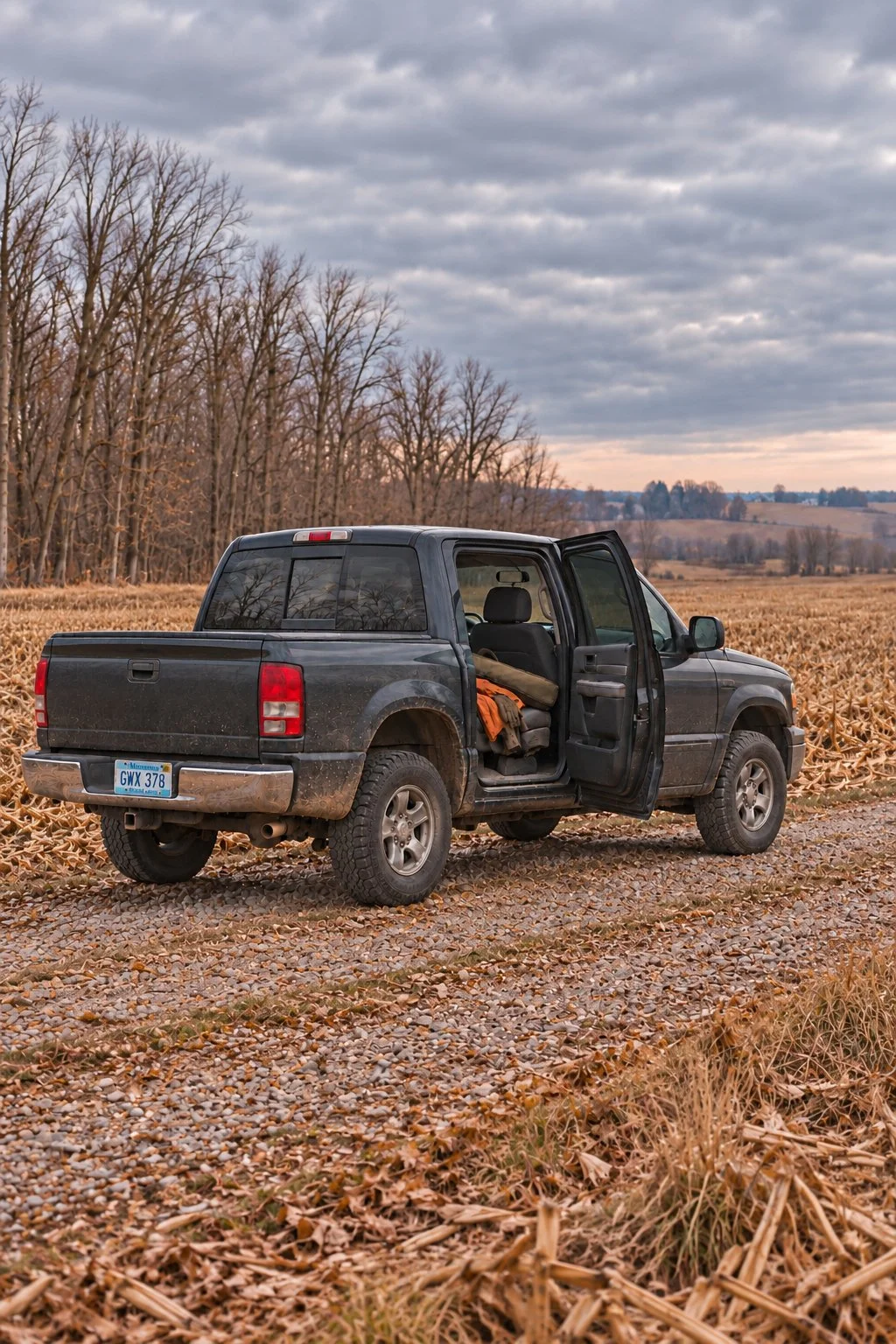
People often use the phrase “felon in possession” for firearm charges involving a prior conviction, but Minnesota law uses a broader framework of people who are legally ineligible to possess firearms or ammunition. Under Minnesota Statute § 624.713, the exact reason a person is prohibited matters. For the common felony charge involving a prior “crime of violence,” the prior offense must fall within the statutory definition in Minn. Stat. § 624.712, subdivision 5. Not every felony conviction is treated the same way.
For a person prohibited because of a prior crime of violence, possessing a firearm or ammunition can carry a statutory maximum of 15 years in prison and a $30,000 fine. Minnesota Statute § 609.11 also provides a five-year mandatory minimum for a conviction under that category, although Minnesota law allows sentencing without that minimum in some circumstances and prohibits that departure in others. The exact prior conviction, criminal history, and sentencing posture therefore matter.
The Science & The Law: What I Look at in a Felon in Possession Case
Is the State Right About the Firearm Prohibition?
What prior conviction or adjudication is the state relying on, and does it actually create the firearm prohibition they say applies?
Was that prohibition still in effect on the date of the alleged offense, or is there a restoration order or another issue that changes the answer?
Can the State Actually Prove Possession?
Where was the firearm or ammunition found, who used or controlled that space, and who else had access to it?
What actually connects the person to the firearm beyond simply being nearby? Statements, messages, keys, video, fingerprints, DNA, or other evidence?
If the gun was found in a shared location, what evidence shows the person knew it was there and actually exercised dominion or control over it?
What Does the Forensic Evidence Actually Prove?
If DNA is being used to connect someone to the firearm, what does the DNA match actually mean in court? Can it tell us when the gun was touched, how the DNA got there, or who actually possessed it?
If the sample involves touch DNA or low-template DNA, I look at how much DNA was actually present, whether the sample is a mixture, and whether transfer, contamination, contributor-number decisions, or interpretation issues affect the conclusion.

How I Approach a Felon in Possession Charge
What Working Together Looks Like
The Initial Intake Conversation
When you call, you will speak directly with me. When possible, I review the publicly available information about your case before we talk so the conversation can focus on what matters most to you. That may be where the firearm was found, who else was present or had access, what prior conviction the state says makes you ineligible, whether police searched a vehicle or home, whether you gave a statement, whether DNA or fingerprints are part of the case, or what happens next in court.
Clear, Predictable Flat Fees
Uncertainty is hard enough without wondering what every phone call or email will cost. I work on a transparent flat-fee basis for the defense phase. You will know my legal fee upfront. The defense phase covers my time reviewing evidence, investigating the case, communicating with you, negotiating, preparing motions, conducting legal research, appearing at motion hearings, traveling when necessary, and taking the time to understand your concerns and answer your questions. If the case proceeds to trial, there is a separate, transparent trial fee. No surprise hourly bills.
Reviewing How the State Is Proving Possession
Once retained, I obtain and review the evidence the state is using to connect you to the firearm or ammunition. Depending on the case, that may include the complaint, police reports, squad and body-camera video, search warrants and affidavits, photographs, property and evidence inventories, recorded statements, 911 or dispatch recordings, phone data, witness statements, fingerprint testing, DNA reports, and the underlying laboratory data when DNA testing is involved.
I look at each link between you and the firearm: why the state says you knew it was there, what access or control it claims you had, what other people’s access means, how the firearm was found, and what the forensic evidence actually adds. If DNA is involved, I review the underlying data and the context of the sample rather than relying only on the final report.
Further Information on Minnesota Burglary Charges
Frequently Asked Questions
-
The phrase is commonly used for firearm-possession charges involving a person with a prior disqualifying conviction. Minnesota Statute § 624.713 identifies several categories of people who may be prohibited from possessing firearms or ammunition.
-
No. Minnesota law does not treat every felony conviction the same way. One important category involves a prior “crime of violence,” which is a defined statutory term under Minn. Stat. § 624.712, subdivision 5. State and federal firearm prohibitions are also not identical, so the exact conviction and the law being applied need to be identified.
-
Actual possession generally means direct physical control of the firearm. Constructive possession applies when the firearm is not physically on the person but the evidence supports that the person exercised dominion and control over it. If the firearm was found somewhere other people could access, the surrounding evidence becomes especially important.
-
Yes. Ownership and possession are different questions. The state does not have to prove that the firearm belonged to you if it can prove actual or constructive possession. But the fact that a firearm was nearby, inside someone else’s vehicle or home, or accessible to several people does not answer the possession question by itself.
-
Shared access can make constructive possession much more fact-specific. I look at where the firearm was located, who used or controlled that area, who had keys or access, what people said, and whether video, messages, fingerprints, DNA, or other evidence actually connects one person to control of the firearm.
-
No. DNA can be evidence of biological material associated with a firearm, but it does not by itself establish when the material was deposited, how it got on the gun, or whether the person knowingly controlled the gun. Firearm samples are often touch-DNA mixtures, which can require careful review of the amount of DNA, contributor assumptions, transfer possibilities, and the laboratory’s interpretation.
-
For the common felony charge involving a person prohibited because of a prior statutory crime of violence, the offense can carry up to 15 years in prison and a $30,000 fine. Minnesota law also provides a five-year mandatory minimum for that category. A court may sentence without regard to the minimum in some circumstances if the statutory requirements for a departure are met, while prior firearm or dangerous-weapon history can limit that ability. The statutory maximum and mandatory-minimum rules should be evaluated separately from the likely Guidelines sentence in an individual case.
-
You should speak with a defense attorney before deciding whether to give a statement. What you say can become evidence about whether you knew the firearm was present, whether you had access to it, and whether you exercised control over it. Those are often the same issues the state must prove.
-
Sometimes. A charge may change because the prior conviction does not support the prohibition alleged, the state cannot prove actual or constructive possession, evidence was obtained unlawfully, another person’s access changes the possession analysis, forensic evidence does not mean what the state claims, or the parties reach a negotiated resolution.

Get in Touch with a Felon In Possession Defense Attorney in Minnesota
You Know Where the Gun Was Found. I Want to Know Why The State Says It Was Yours.
Let’s look at what actually connects it to you.