
THC DWI in Minnesota: The Science, the Law, and How to Build a Strong Defense
Written by Virginia Barron | Criminal Defense Attorney & DNA Forensic Litigator
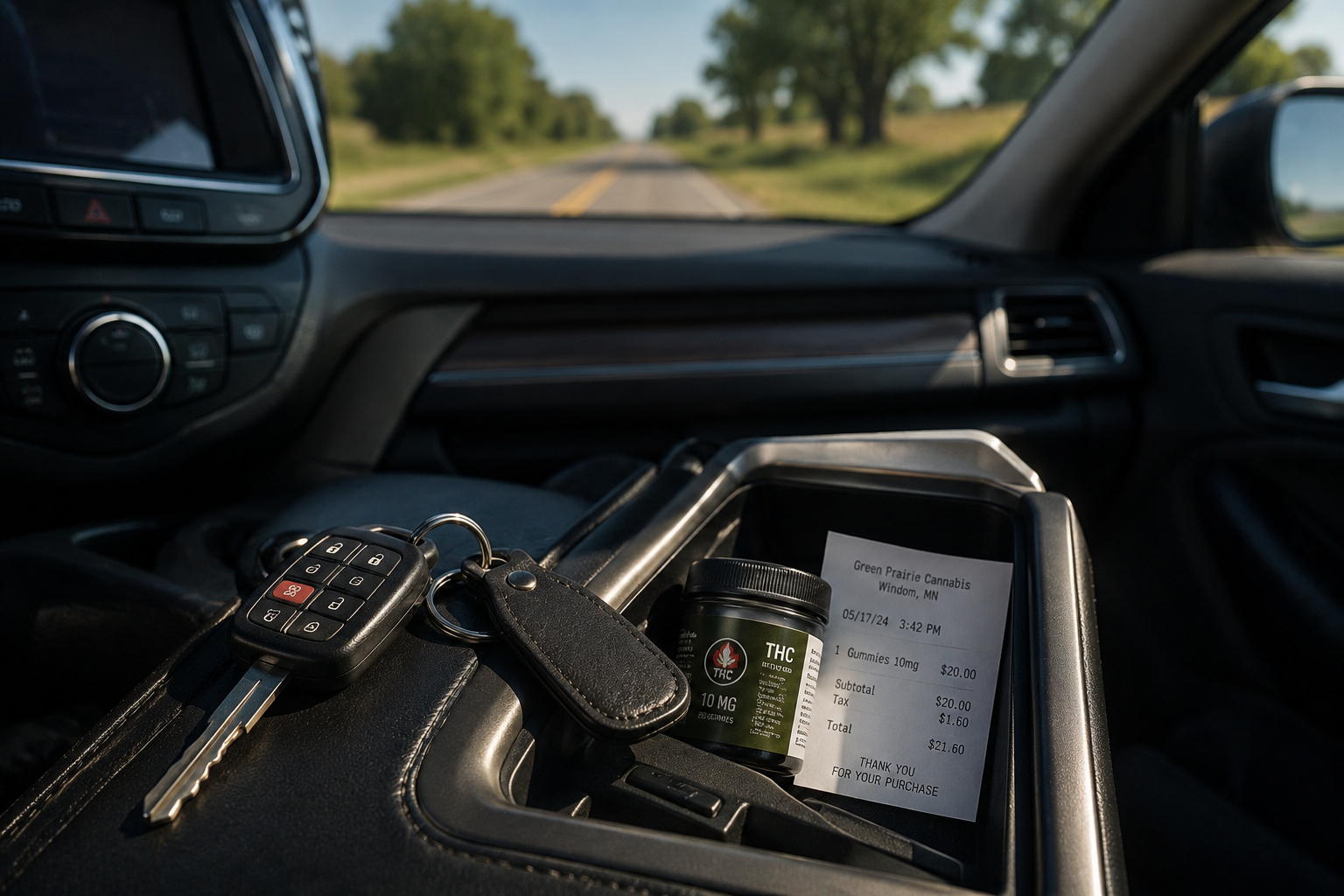
Marijuana related DWIs (driving while intoxicated) are among the most complicated impaired driving cases under Minnesota law. Unlike alcohol, there is no per se THC limit in Minnesota, and proving impairment requires both scientific evidence and careful legal strategy.
If you’re charged with a THC DWI (marijuana DUI) in Minnesota, understanding how THC affects the body, how it’s measured in the field and in the lab, and what evidence prosecutors need to secure a conviction is essential to protecting your rights and your freedom.In this detailed guide, we break down:
What constitutes a THC DWI under Minnesota Statute 169A.20
How THC impairment is measured scientifically and legally
The evidence needed for conviction
Common defense strategies used in Minnesota
What you should do if you’re facing a THC related DWI
What Constitutes a THC DWI in Minnesota?
In Minnesota, law enforcement treats marijuana and other intoxicating substances just like alcohol when it comes to impaired driving. Under Minnesota Statute 169A.20 subd. 1(8), a driver is guilty of a THC DWI if they drive, operate, or are in physical control of a motor vehicle while under the influence of cannabis or tetrahydrocannabinols.
The key distinction with marijuana related DWIs is this:
For alcohol, Minnesota sets a per se blood alcohol concentration (BAC) limit of 0.08%.
For THC, there is no numeric per se limit in state law.
Instead, prosecutors must prove the driver was actually impaired at the time of driving.
Because of this, THC DWI cases often rely on a combination of evidence rather than a single test result.If you are facing charges, it is critical to speak with an experienced Minnesota criminal defense attorney who understands both the science and legal standards involved.
Why THC Cases Are Different
THC behaves very differently from alcohol in the human body. THC metabolites can remain detectable long after impairment has worn off, meaning a positive test may reflect past use rather than current impairment.This creates a major legal issue: presence does not equal impairment.
How THC Is Measured in DWI Cases
1. Blood Testing
The most common method used in THC DWI cases is a blood test. While it reflects more recent use than urine testing, it still has limitations:
THC levels drop rapidly after use
No reliable correlation between level and impairment
Results alone cannot prove impairment
2. Urine Testing
Urine tests detect THC metabolites, which can remain in the system for days or weeks after use. These results often show prior use—not impairment.
3. Field Sobriety Tests
Officers rely on tests such as:
Walk and turn
One leg stand
Horizontal gaze nystagmus
These tests were designed for alcohol impairment and are less reliable for marijuana cases.
4. Officer Observations
Prosecutors often rely on:
Driving behavior
Bloodshot eyes
Odor of marijuana
Statements made at the scene
These observations are subjective and frequently challenged in court.
The Science Behind THC and Impairment
The psychoactive compound in cannabis is delta-9-THC, which affects reaction time, coordination, and attention. However, inactive metabolites remain in the body long after impairment ends.Key issues include:
THC levels do not match impairment timing
Regular users may test positive while sober
Individual tolerance varies significantly
This is why THC DWI cases often require expert analysis and defense.
Evidence Needed for a THC DWI Conviction
Prosecutors must prove impairment beyond a reasonable doubt. This typically includes:
1. Driving Behavior
Swerving or drifting
Slow reactions
Traffic violations
2. Officer Observations
Red eyes
Slurred speech
Difficulty following instructions
3. Field Sobriety Tests
Often challenged due to lack of THC-specific validation.
4. Chemical Testing
Used to support impairment—but not enough on its own.
5. Expert Testimony
Used to explain THC effects and limitations of testing.
Defending a THC DWI Charge in Minnesota
Challenging Test Results
Improper blood draw
Contamination issues
Timing of testing
Questioning Field Sobriety Tests
Not validated for marijuana
Environmental factors affect results
Officer error
Disputing Observations
Symptoms may be caused by fatigue, allergies, or stress—not impairment.
Expert Testimony
Experts can explain why THC presence does not equal impairment.
Constitutional Defenses
Minnesota case law limits searches based solely on marijuana odor, which can impact the validity of stops and searches.Learn more about defending complex cases on our DNA and forensic evidence page.
What to Do If You’re Charged
Do not admit impairment
Understand your rights under implied consent laws
Contact a defense attorney immediately
Early decisions can significantly impact your case outcome.
Conclusion
THC DWI cases in Minnesota highlight a major gap between science and legal standards. Unlike alcohol, there is no reliable number that proves impairment.Instead, cases rely on a combination of imperfect evidence, including chemical tests, officer observations, and field sobriety tests.If you have been charged, the key issue is not just what the evidence shows—but what it can actually prove.An experienced defense attorney can identify weaknesses in the prosecution’s case and build a strategy focused on reasonable doubt.
Contact Barron Law Office today to discuss your case and protect your rights.
Frequently Asked Questions
-
Minnesota does not use a simple THC number that works like the 0.08 alcohol limit. In a marijuana-related DWI case, the prosecution generally must rely on the totality of the evidence to argue impairment, including driving conduct, officer observations, field testing, toxicology, and other circumstances.
-
Not by itself. THC and its metabolites can remain detectable after the impairing effects have changed or ended, and a laboratory result does not automatically establish how impaired a particular person was at the time of driving. The timing and meaning of the test have to be evaluated in context.
-
Yes. Detectability and impairment are different questions. Depending on the type of sample tested, frequency of use, time since use, and individual metabolism, cannabis-related compounds may be detected after the period when a person experienced noticeable impairment.
-
Police may rely on driving behavior, speech, coordination, statements, odor, field sobriety testing, a drug-recognition evaluation, and blood or urine testing. Each piece of evidence has limitations, and the defense can examine whether the observations and testing actually support impairment at the relevant time.
-
Yes. A defense may examine the traffic stop, the basis for arrest, how field sobriety tests were administered, specimen collection and chain of custody, the laboratory method, the compounds reported, and whether the toxicology result is being interpreted more broadly than the science supports.
-
Take the charge seriously and get the evidence reviewed promptly. Avoid assuming that a positive cannabis test settles the case. A careful defense should separate the question of whether THC was detected from the separate legal question of whether the State can prove impairment while driving.