
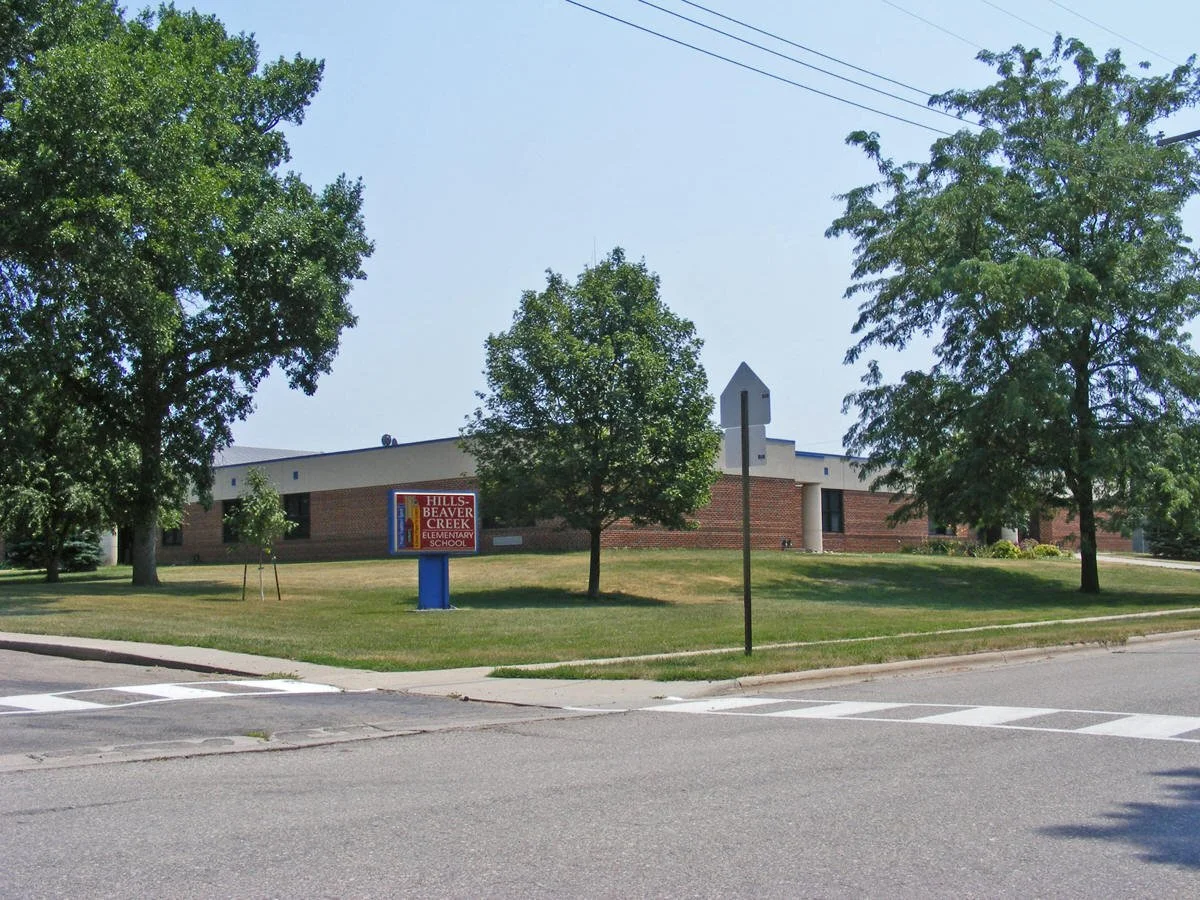
Criminal Cases in Beaver Creek, Minnesota
Criminal Defense in Beaver Creek
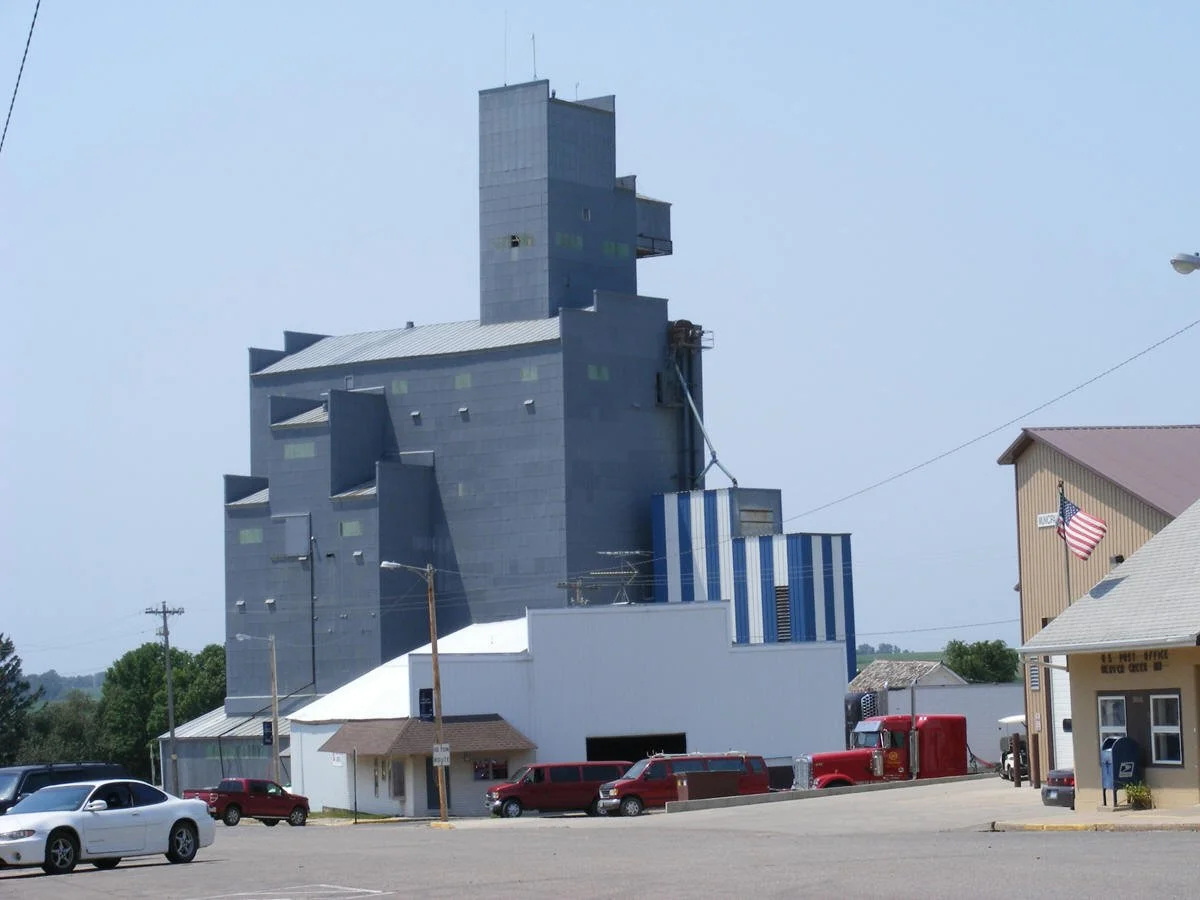
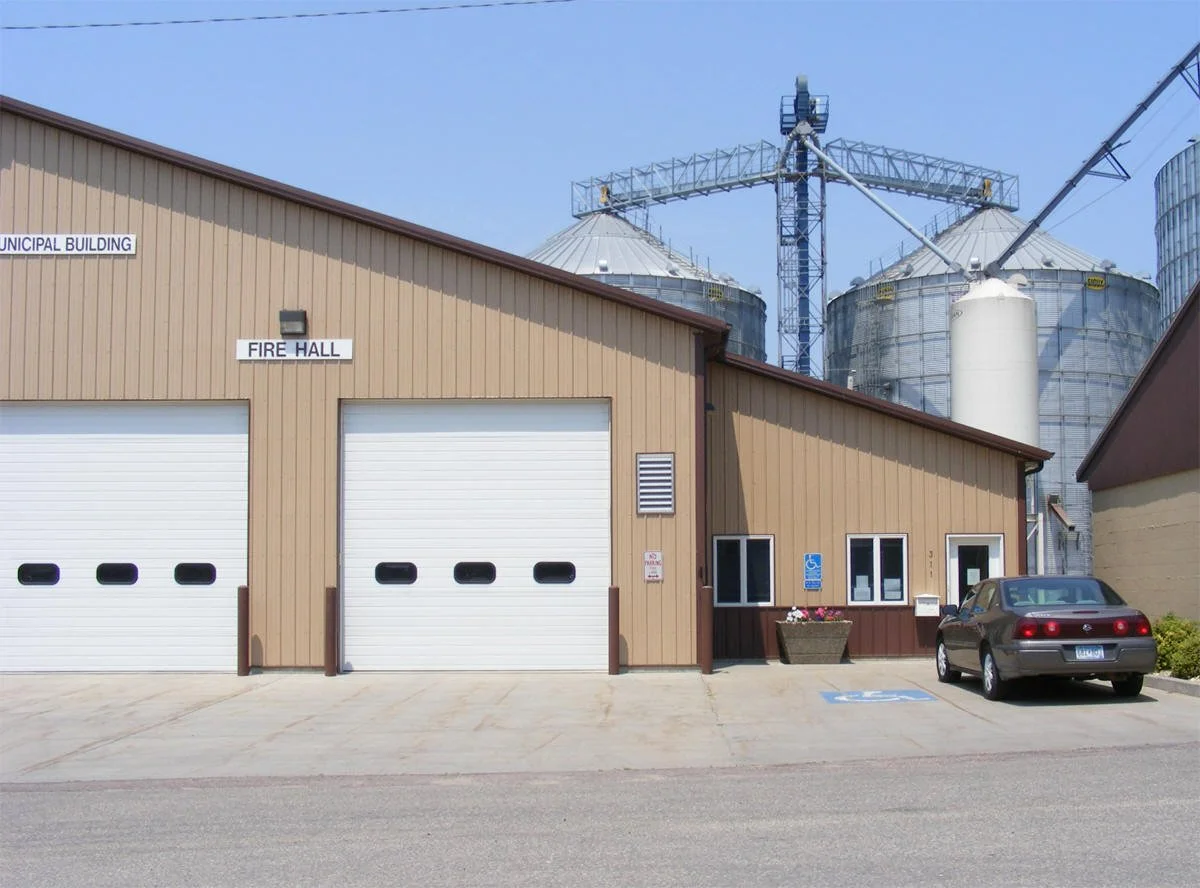
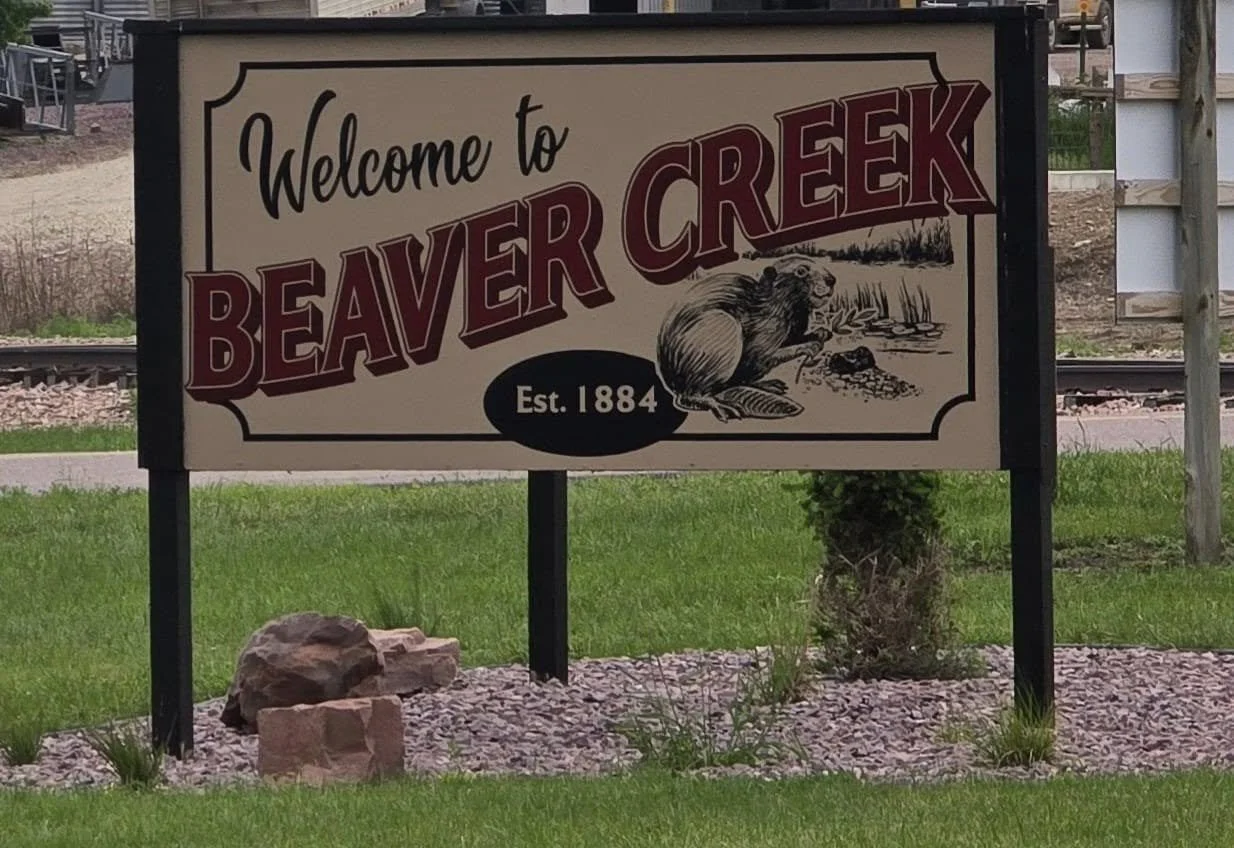
Beaver Creek, Minnesota
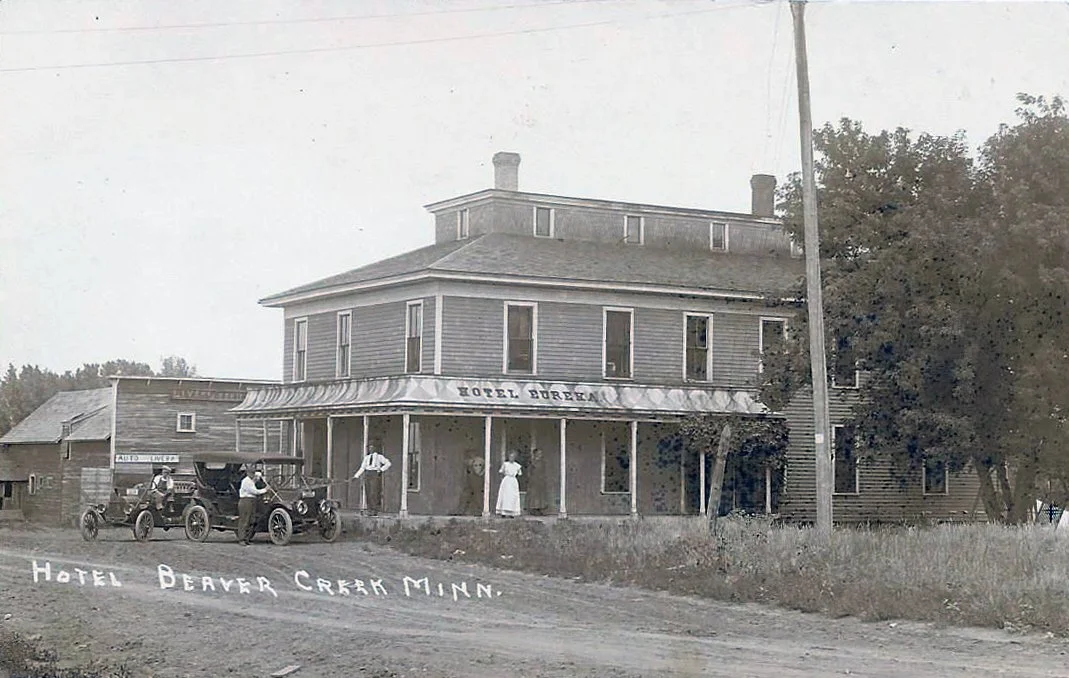
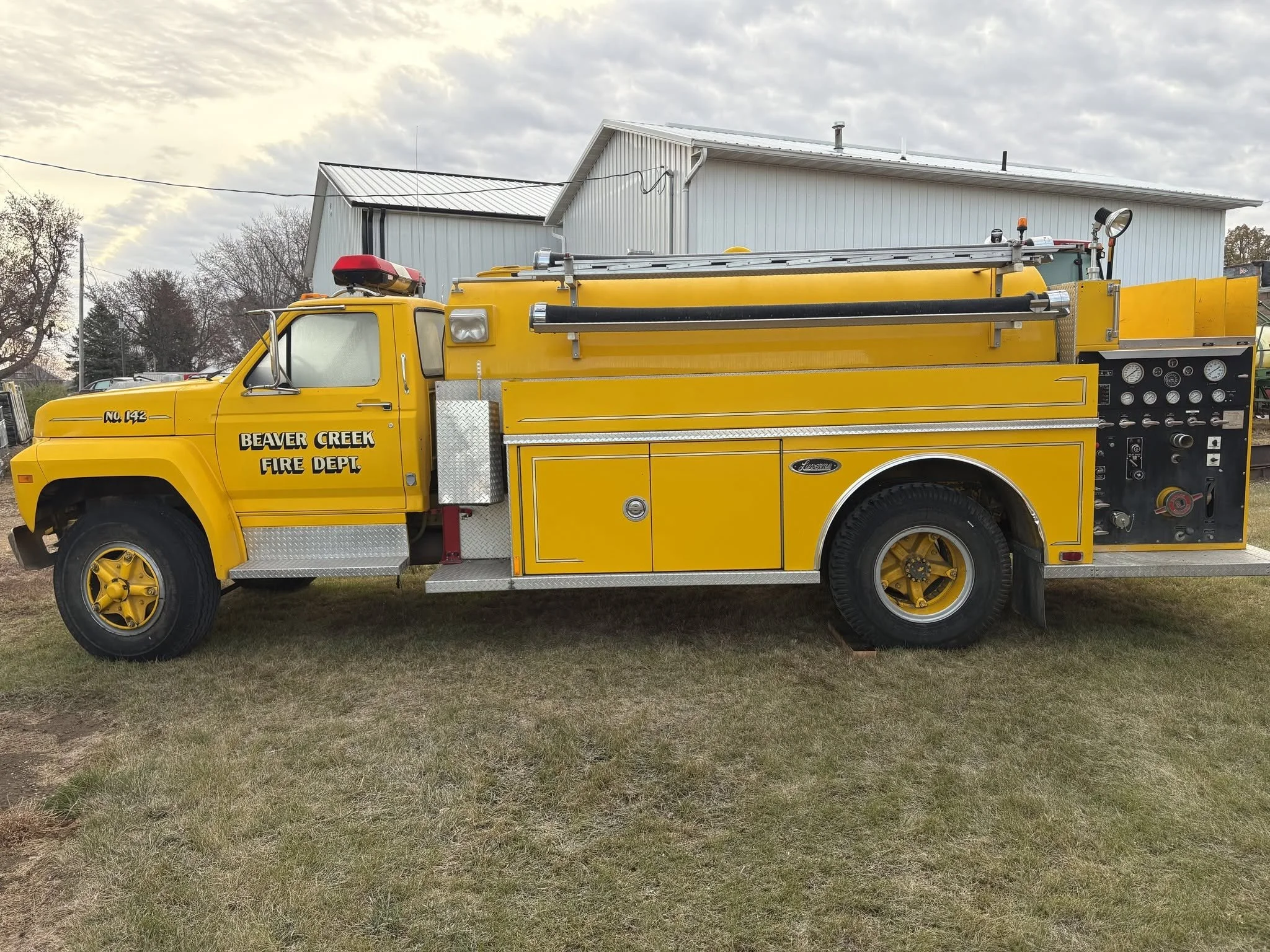
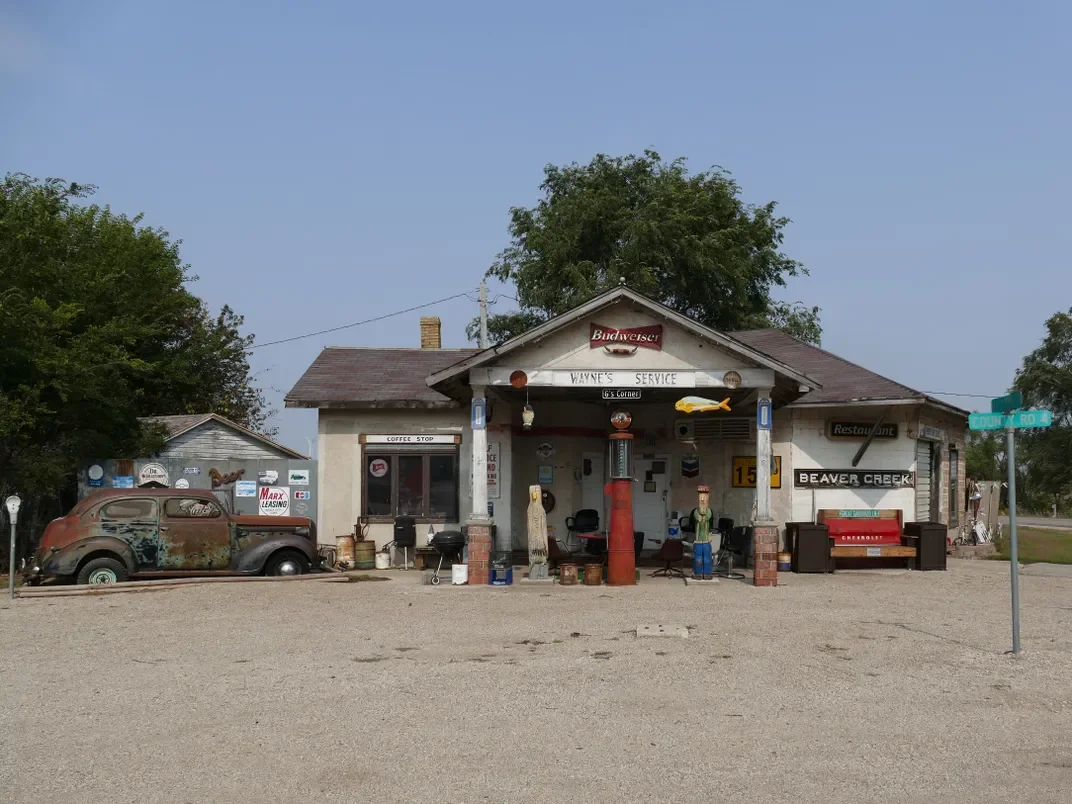
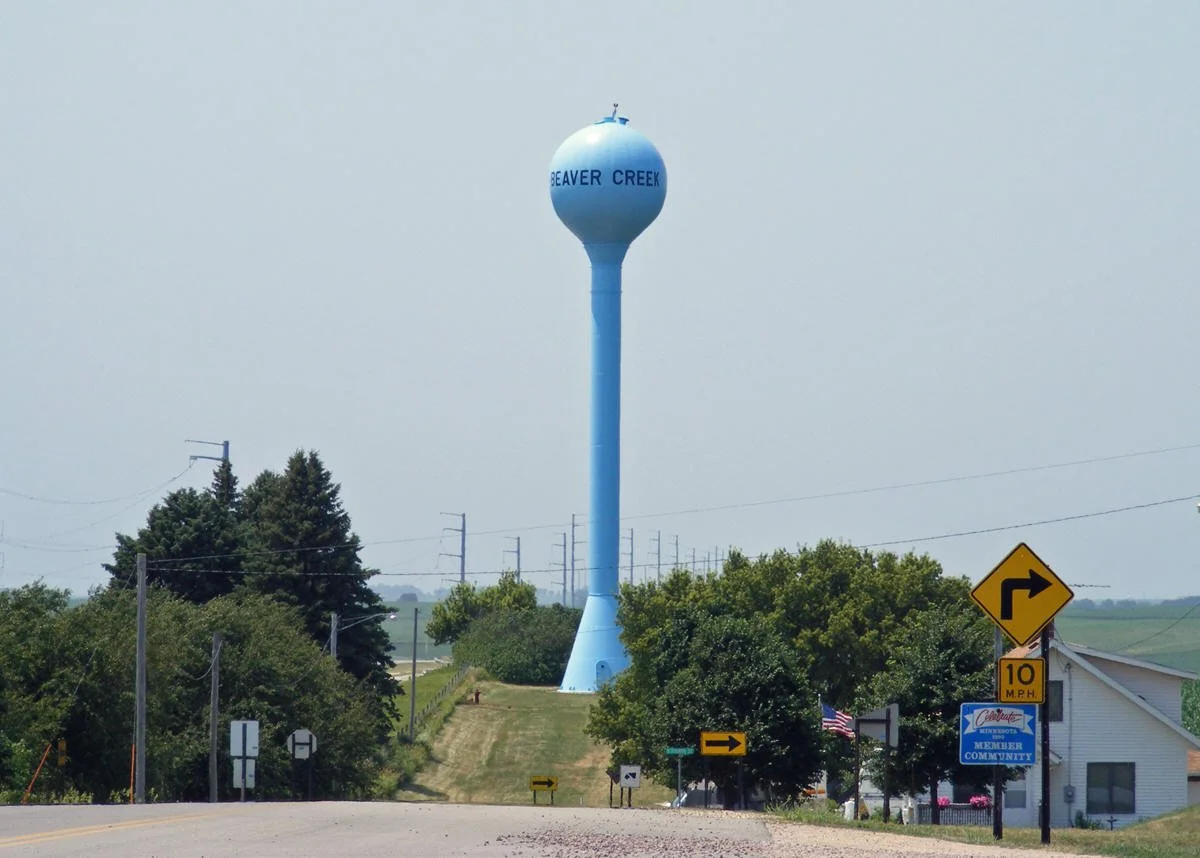
Beaver Creek is a small Rock County community of about 280 people, a few miles from the South Dakota line where Interstate 90 enters Minnesota. Highway 23 begins just west of town, which can bring in interstate and regional traffic. Beaver Creek has no police department of its own, so law enforcement comes from the Rock County Sheriff’s Office.
A criminal case in Beaver Creek typically starts with the Rock County Sheriff’s Office or Minnesota State Patrol. The Rock County Attorney’s Office in Luverne prosecutes the cases.
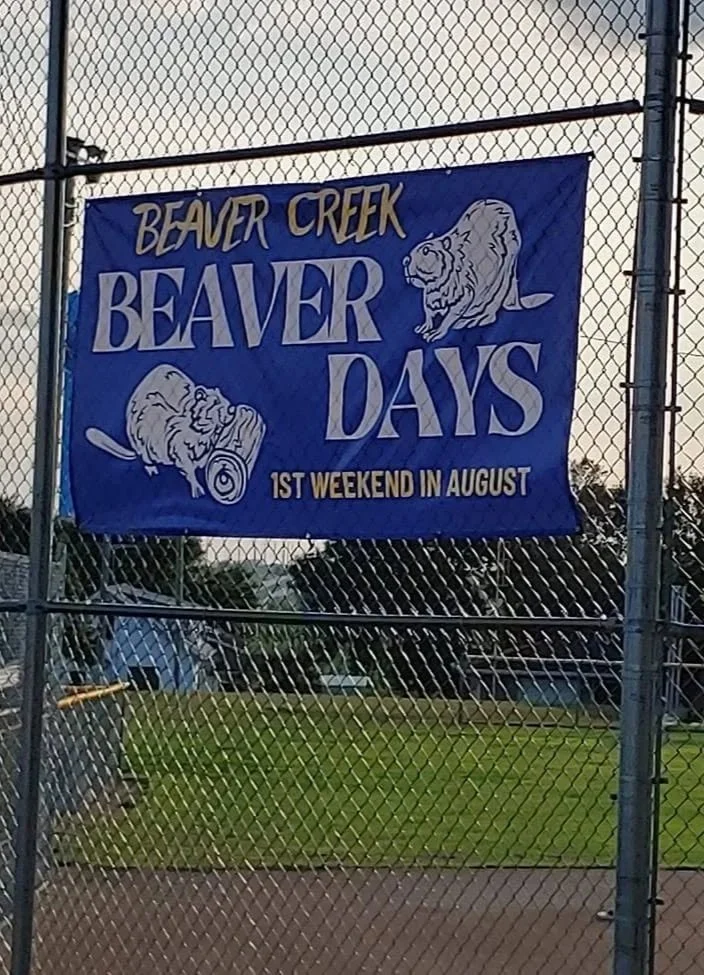
Beaver Creek joins Hills and Steen for Friendship Days on the second weekend of June, three days of celebration shared between the neighboring towns.
Most people I represent never expected to need a criminal defense lawyer. If that is where you are now, call me and we will get your side heard.
Jump to:
Arrested in Beaver Creek? What Happens Next?
If a Loved One Has Been Arrested and is in Jail, What You Need To Know
Charged in Beaver Creek? What Happens When You Call Me?
Who Handles a Beaver Creek Criminal Case?
Cases I Handle
If Your Beaver Creek Case Involves DNA
Common Questions About Beaver Creek Criminal Cases
Arrested in Beaver Creek? What Happens Next?
Rock County contracts with the Nobles County Sheriff’s Office for jail services, so someone arrested in Beaver Creek will typically end up at the Nobles County Jail in Worthington until they are seen by a Judge. Families in and around Beaver Creek should keep the jail’s number handy until their loved one is released.
Check whether someone is in custody here.
Bail and conditions of release are decided by the Judge at the first appearance. Families can use the roster above to see whether their loved one is in custody.
Not everyone who is arrested stays in jail until court. That depends on the allegation. If your loved one is still in custody, their first hearing is where the Court will deal with bail, conditions and advising that a person is entitled and a lawyer.
If a Loved One Has Been Arrested and is in Jail, What You Need To Know:
What Not To Do
DO NOT DISCUSS YOUR CASE ON THE PHONE. Every jail call is recorded, and both sides of the conversation can end up in the prosecutor’s file.
THE PHONE IS NOT THE ONLY THING RECORDED. Video visits are recorded, mail is read, and relaying a message through someone else can put that person in the case too.
NEVER RELAY MESSAGES TO THE PERSON WHO MADE THE ALLEGATION. A no-contact order covers messages sent through other people. Carrying one can mean another charge for your loved one and can make you part of a witness tampering allegation. The court treats a relayed message the same as direct contact.
DO NOT PUT ANYTHING ONLINE. That includes the arrest, what was alleged, a defense of your loved one, and comments about anyone else in the case.
What To Do Now
HOLD ON TO ANYTHING TIME SENSITIVE. Business and gas station cameras often keep footage for only a few days. Back up text threads. Put aside clothing that may matter, unwashed, because clothing and objects are what labs test, and washing destroys that chance. Screenshots with the date and time showing are the most useful.
MAKE NOTES WHILE YOU STILL REMEMBER. Jot down the order of events, the locations, who was present, and what each person said.
TRACK DOWN EVERYONE WHO WAS THERE. Write down names and phone numbers while people are still easy to reach.
RECORD WHAT IS VISIBLE. Photos of injuries, the vehicle, damage, and the scene can matter months from now.
PULL TOGETHER THE FACTS THE JUDGE WILL ASK ABOUT. Their job, their address, the people who rely on them, and how long they have been part of the Beaver Creek area. At the bail hearing, someone needs to present that, and the person in custody may not be able to.
MAKE THE CALL EARLY. An attorney can help shape bail and conditions of release at the first hearing, which is easier than fighting to modify them down the road.
Charged in Beaver Creek? What Happens When You Call Me?
“You do not need to have everything figured out before you call me. In fact, I expect that you will not. You do not need to know the right questions to ask, and you do not need to convince me that you deserve help. You can start just by telling me what happened and what you are worried about most.
I will be honest with you about what I see, what concerns me, what we do not know yet, and what options you have. Making that first call does not commit you to anything. Sometimes the hardest part is simply picking up the phone. We can start there.
”
Who Handles a Beaver Creek Criminal Case?
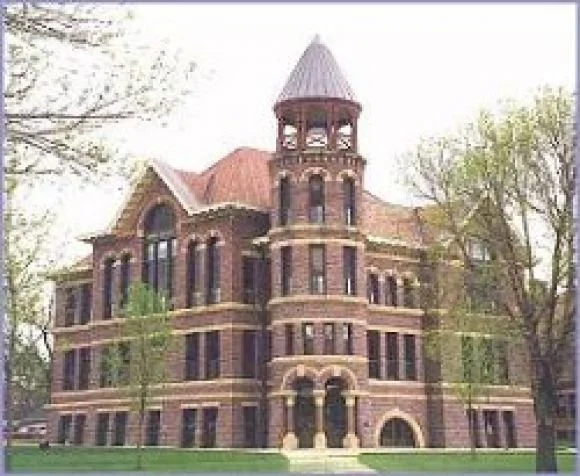
If you are charged in Beaver Creek, your case will be in Rock County District Court:
Rock County District Court
204 East Brown Street
Luverne, MN 56156
This is a Fifth Judicial District court, and the Rock County Attorney’s Office is the prosecutor for Beaver Creek cases. Depending on the hearing, you may appear in person or remotely. Your notice and any court order tell you which one applies. When a hearing is in person, Beaver Creek residents travel to Luverne for it.
The investigating agency could be the Rock County Sheriff’s Office or the Minnesota State Patrol, depending on what happened and where.
Cases I Handle
DWI
A DWI case in Minnesota begins before a breath, blood, or urine test is obtained. Why the vehicle was stopped, whether the investigation was lawfully expanded, what the officer observed, and how standardized field sobriety tests and chemical testing were conducted can all matter to the defense.

Drug Possession or Sale
Drug charges in Minnesota often turn on how law enforcement found the drugs, whether there was a lawful search, and whether the State can connect them to the person accused. A substance found in a vehicle, home, or other shared space does not by itself answer who knew it was there or who possessed it. When sale is alleged, the evidence must also support the State’s claim that the conduct went beyond possession.

Felony Criminal Defense
Felony cases rarely turn on a single piece of evidence. The defense begins by testing the State’s theory against the entire record and separating what is alleged from what can actually be established.
Theft and Property Crime
Theft allegations in Minnesota often stem from misunderstandings, shared property, or disputed intent. Ownership, permission, intent, access, and the circumstances surrounding the property can all affect whether the State can establish a theft occurred.
Domestic Assault
Domestic assault cases can develop quickly from a highly charged event into a criminal allegation, sometimes before the surrounding context is clear. What was said and done before, during, and immediately after the incident can matter as much as the first account given to police.

Assault
Assault in Minnesota is not limited to physical contact. A charge can be based on an alleged intent to cause fear of immediate bodily harm or death, or on intentionally inflicting or attempting to inflict bodily harm. Intent, self-defense, the nature of any injury, and the circumstances of the encounter must all be examined in context.

Burglary
Being connected to a location does not, by itself, establish burglary. Important questions still need to be examined. Was entry without consent? What was intended or what occurred inside? Does the evidence actually connect the accused person to the charged conduct? These answers all contribute to a burglary defense in Minnesota.
Criminal Damage to Property
Property damage does not automatically explain who caused it, whether it was intentional, or what the damage is actually worth. Those questions can be central to a criminal damage to property case in Minnesota, including whether the State can prove the offense and the level of charge alleged.
Criminal Sexual Conduct Defense
A criminal sexual conduct allegation in Minnesota must be examined in the context of the evidence surrounding it. Chronology, communications, the way statements were obtained, and medical, digital, or forensic evidence may support, contradict, or place the allegation in a different context.
Felon in Possession and Prohibited Person Firearm and Ammunition Charges
Simply being near a firearm—especially in shared vehicles, homes, or rural properties—does not by itself answer who possessed it or whether the person knew it was there. In shared spaces, access and control matter, and so does whether the alleged legal prohibition actually applied.
Fleeing A Police Officer
Not stopping immediately does not tell the whole story of a fleeing case. The clarity of the officer’s signal, what the driver could perceive, the sequence of events, and whether the conduct shows an intent to elude all matter all matter when determining whether the driver intentionally attempted to elude the officer.
DNA Evidence in Minnesota Criminal Cases
DNA evidence can be powerful, but human judgment can still play a role in its interpretation, making careful review important. Even a scientifically sound DNA result does not, by itself, establish when biological material was deposited, how it got there, or what happened. A DNA result may be scientifically sound and still be legally misleading when used to support a conclusion the science does not establish.
If your Beaver Creek Case Involves DNA
DNA evidence in a Beaver Creek case is a starting point for questions, not a final answer. People hear there is DNA and think it is hopeless. It is not. The result speaks to biological material, not to conduct. That difference is where many DNA cases are actually won or lost.
Evidence gathered in Beaver Creek goes to the Minnesota Bureau of Criminal Apprehension laboratory in St. Paul for testing. The report that returns is brief: a conclusion and a few basic details. It does not say how much DNA was recovered, when it was left, how it got onto the item, or whether anything criminal put it there. Without the underlying data, nobody can properly judge what the result means.
DNA transfers. A person touches a tool, someone else picks it up, and now both profiles may be there. It can remain long after the person has left. On shared items such as a farm truck’s steering wheel, a firearm, or a can, the prosecution’s version is not always the only one that fits. That is why the context around the evidence matters so much. Near Beaver Creek, it might be a car stopped on I-90 that has passed between several drivers.
That is not in the report. It is in the underlying laboratory file, which has to be requested, received, and reviewed by someone who knows what matters in it.
Doing that review is at the center of my practice, and it is why people across Minnesota ask me to look at the DNA in their cases. I am a Fellow of the American Academy of Forensic Sciences and a past Chair of its Jurisprudence Section. I have completed STRmix training and I train defense attorneys around the state on DNA evidence. Call me with your questions.
Common Questions About Beaver Creek Criminal Cases
-
No. You do not need a lawyer with a Rock County office. You need one who handles criminal cases in Rock County District Court and knows how to work within it. I am based in Westbrook and handle cases across southwestern Minnesota, including Rock County.
-
No. Get legal advice before you agree to an interview or answer questions. The right choice depends on what the investigation is about, what officers already know, and how they view you. In most situations the best thing to do is decline and call an attorney immediately. Simply say you want to talk to a lawyer first.
-
Yes. You do not have to wait for charges. Early representation can be important while the investigation is ongoing, while evidence may be lost, or when you face a decision like giving a statement or agreeing to a search. I can also be the point of contact with investigators.
-
It depends. Some Rock County hearings are remote and others are in person at the courthouse. Your hearing notice will tell you which applies each time. Keep every notice you receive and check the date and format carefully.
-
The judge addresses bail, release, and conditions. What carries the most weight depends on the charge, the arrest, and what the prosecutor is asking for.
-
Rock County District Court. Cases generally proceed in the county where the alleged offense occurred, even if you live elsewhere. Many of the hearings can be handled without you traveling back each time, but not all of them.
-
The Minnesota Bureau of Criminal Apprehension laboratory in St. Paul. Evidence is collected by a local officer or deputy, tested and interpreted by the BCA, and the report goes back to the prosecution.

Contact a beaver creek Criminal Defense Lawyer
Call me, let’s talk.
A criminal charge can make it difficult to think beyond the next court date. You may not know what evidence exists, what the prosecutor will do, or how the case could affect your family, job, license, or freedom.
You do not have to figure it out alone.
I will listen to what happened, review the situation with you, and explain what I believe should happen next.
This page provides general information and is not legal advice. Every criminal case depends on its own facts, evidence, and procedural history.
Practice Scope
My criminal defense practice does not include speeding or minor traffic infractions, probation violation representation, appellate or postconviction work, separate driver's license revocation proceedings, commercial driver's license (CDL) matters, or civil harassment restraining orders (HROs) or orders for protection (OFPs). I do handle the criminal DWI case itself.