

Jackson County Criminal Defense Lawyer
What the State Alleges and What It Can Prove Are Not Always the Same
If you have been arrested, detained, cited, or contacted by law enforcement in Jackson County, you are probably trying to make decisions with very little reliable information.
You may be wondering whether you should speak with officers, whether you will be held in jail, what will happen to your driver's license, or whether the evidence against you can be challenged. You may also be hearing advice from friends, family, or people online who do not know the facts of your case.
“My advice is simple. You do not have to figure out the whole case right now. Take a breath. Be careful about what you say and who you say it to. Talk with a criminal defense lawyer before making decisions that may be difficult to undo later.”
I am Virginia "Ginny" Barron. From my office in Westbrook, I defend individuals facing state charges in Jackson, Lakefield, Heron Lake, Okabena, Alpha, Wilder, and across Jackson County. I handle DWI cases, drug charges, serious felonies, felon in possession and prohibited person firearm cases, criminal sexual conduct allegations, theft charges, and cases involving DNA or other forensic evidence.
— Ginny Barron
What should I do after an arrest in Jackson county?
Being arrested does not mean the State has proved its case.
The police report is one account of what happened. It may be incomplete, it may leave out important context, and it has not yet been tested against all of the other evidence.
You may feel like you need to explain what happened or correct something the officer has wrong. Be careful. What you say in the squad car, at the jail, or during an interview can become part of the State's case, especially when you are scared, angry, exhausted, or still trying to make sense of what just happened.
Refrain from discussing any case details. Never erase text threads, social accounts, photos, GPS records, or digital files. Material that appears insignificant today could prove crucial once all investigative reports are analyzed.
Additionally, refrain from discussing matters over recorded jail phones, texts, or online posts. A confidential conversation with your defense attorney carries protections that conversations with friends or family do not.
The earlier I step in, the faster I can examine existing evidence, preserve critical records, and guide your immediate legal strategy.
Where Jackson County Criminal Cases Begin
Jackson County criminal matters can involve multiple investigating agencies.
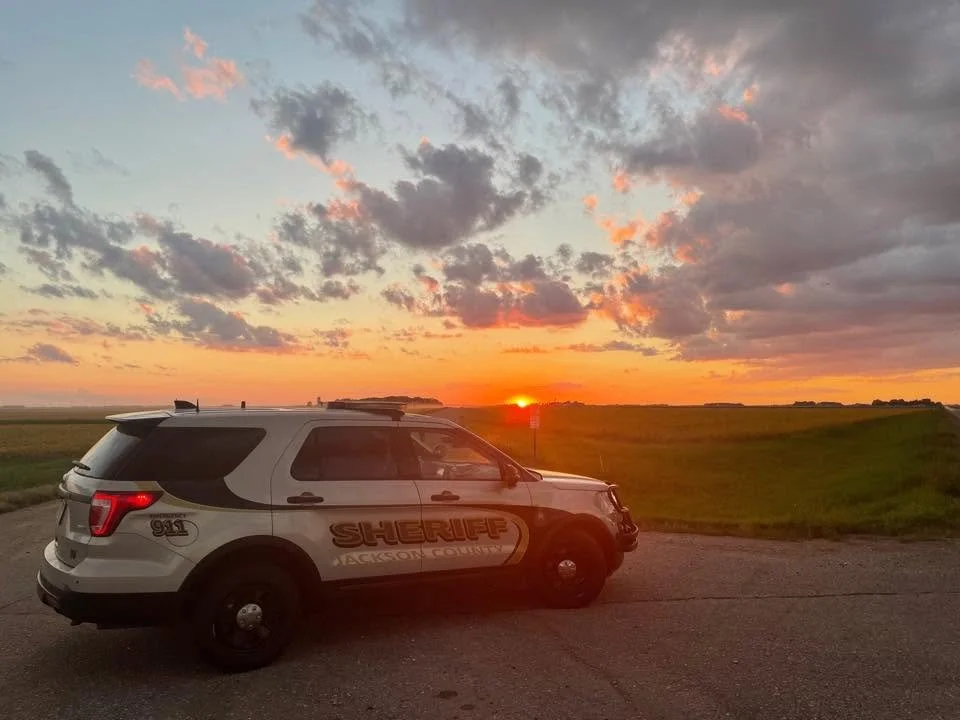
Jackson County criminal matters can involve multiple investigating agencies. The Jackson County Sheriff's Office manages countywide law enforcement, oversees the county jail, and provides dispatch routing for local jurisdictions. The Jackson Police Department serves as the municipal police agency for the county seat. Lakefield also operates an active police force. Minnesota State Patrol handles traffic stops and accidents along primary routes like Interstate 90 and U.S. Highway 71.
The specific agency handling your matter matters significantly. Every police agency maintains distinct recordkeeping procedures. Depending on your situation, evidence may include dashboard video, body-worn cameras, dispatch audio, scene photos, search warrants, property inventories, evidence logs, lab results, recorded statements, and phone records.
A primary step in my defense work is establishing what items were gathered, what details were overlooked, and whether available proof agrees with official reports.
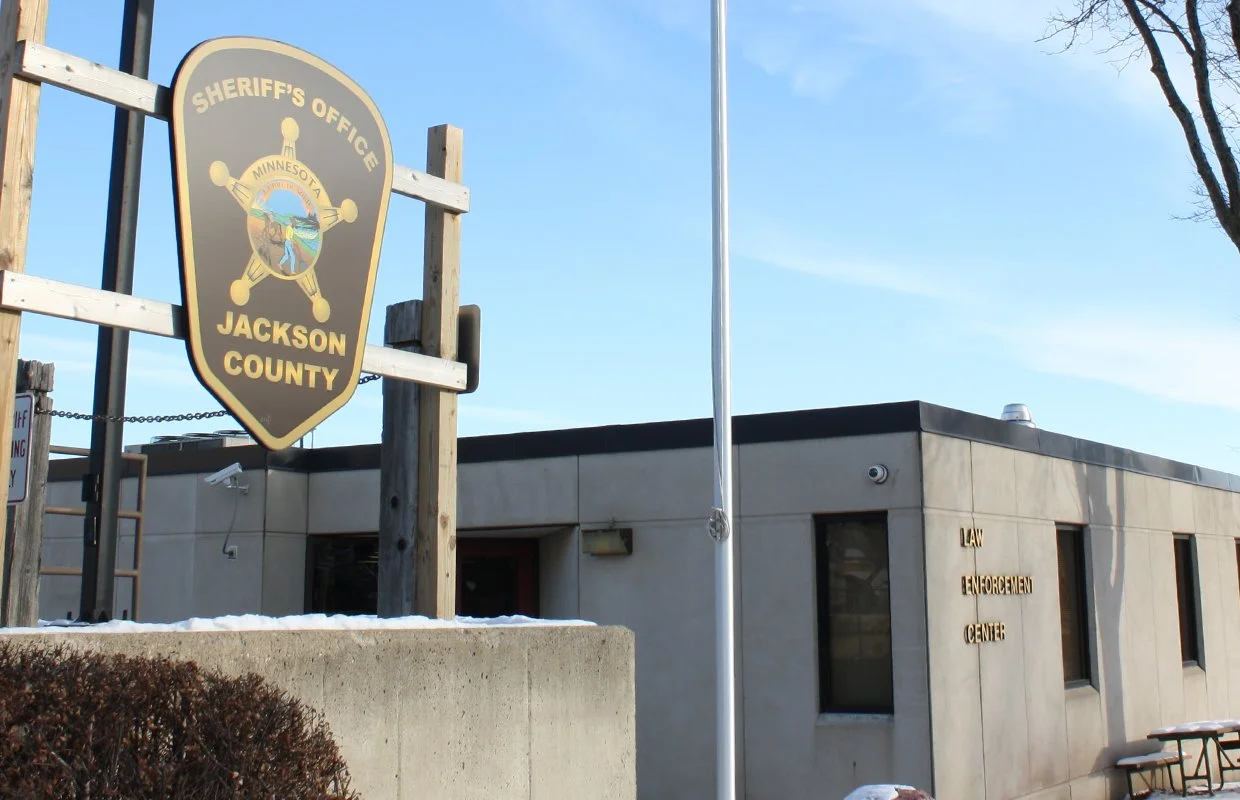
Jackson County Sheriff's Office Cases
The Sheriff's Office conducts investigations throughout rural areas and assists smaller local departments whenever requested. Sheriff's Office matters often stem from rural traffic stops, narcotics enforcement, domestic disputes, farm property theft, weapons claims, search warrant executions, and calls in unpoliced townships. Because the Sheriff's Office controls the detention facility and dispatch, recorded calls, intake logs, booking footage, and precise timelines frequently play key roles in building a strong defense.
Lakefield and Heron Lake Police Cases
The Lakefield Police Department and local officers covering communities like Heron Lake handle calls within their borders. These matters frequently involve traffic violations, DWIs, domestic disputes, property crimes, drug claims, school incidents, or peace officer responses. Small-town departments remain bound by identical state and federal constitutional standards as major metro agencies. Their size never lowers the state's heavy burden of proof.
Jackson Police Department
The Jackson Police Department handles municipal offenses throughout Jackson. Positioned near Interstate 90 and U.S. Highway 71, the department interacts with local residents alongside regional travelers. What starts as a simple traffic stop can quickly escalate into a DWI investigation, vehicle search, drug investigation, or firearm seizure. Vital legal questions center on the initial reason for the stop, officer observations, field tests, and search legality.
Minnesota State Patrol
State Patrol District 2300 actively patrols state corridors in Jackson County. State troopers primarily investigate impaired driving, highway crashes, commercial vehicle infractions, speed violations, and interstate stops. Highway enforcement requires meticulous scrutiny. I examine the stated justification for stopping your vehicle, squad camera positions, lighting, weather conditions, officer conduct, and the sequence leading to detention or searches.
Where Will My Jackson County Case Be Heard?
Jackson County District Court
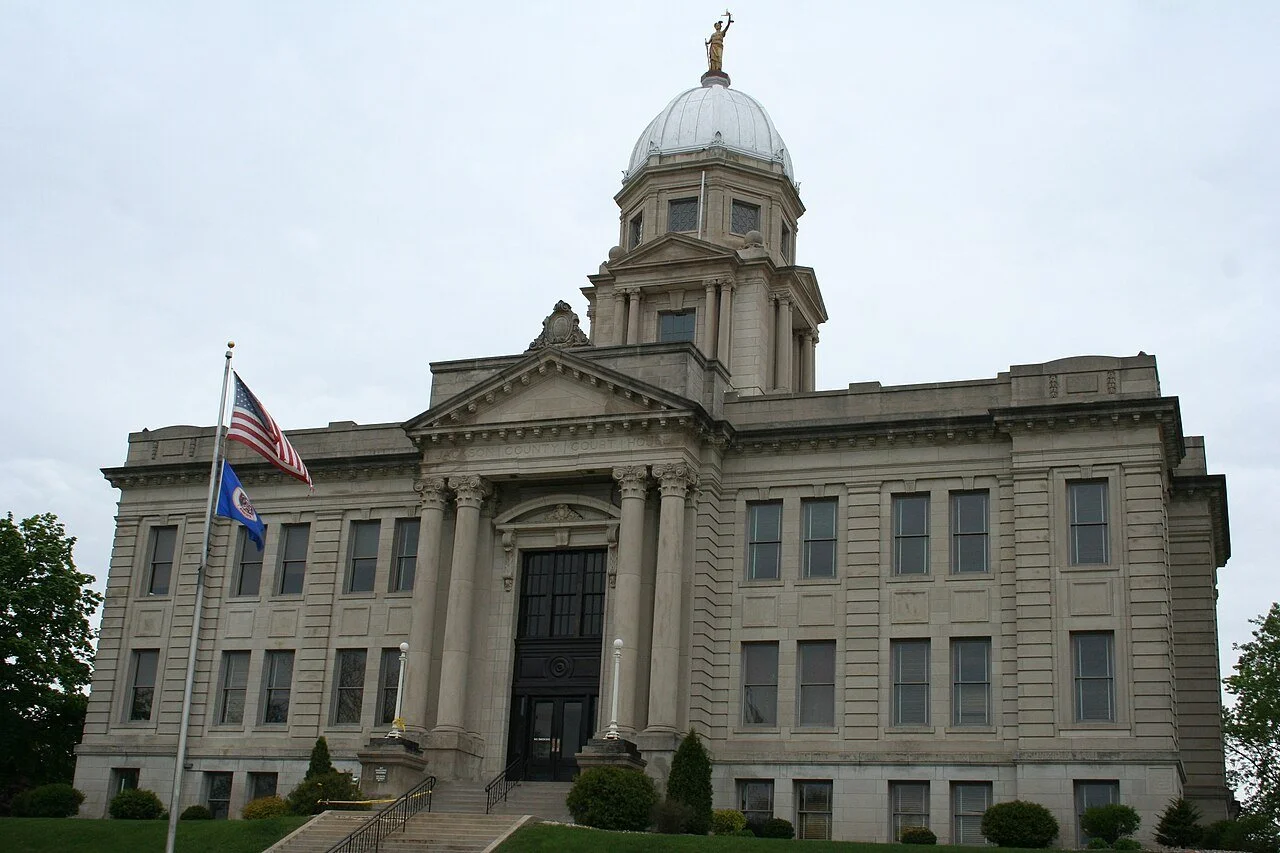
Criminal filings and traffic citations in Jackson County are brought before the Jackson County District Court in Jackson. Operating within Minnesota's Fifth Judicial District, this court handles all misdemeanor, gross misdemeanor, felony, juvenile, and civil court proceedings. The physical court location is:
Jackson County District Court
405 4th Street
Jackson, Minnesota 56143
Depending on your specific charge and case progression, initial appearances address bail conditions, attorney representation, release terms, and scheduling future court dates.
Prior to appearing, I can help you understand the exact nature of the proceeding and what legal determinations could occur while at your next hearing.

DWI
A DWI case in Minnesota begins before a breath, blood, or urine test is obtained. Why the vehicle was stopped, whether the investigation was lawfully expanded, what the officer observed, and how standardized field sobriety tests and chemical testing were conducted can all matter to the defense.

Drug Possession or Sale
Drug charges in Minnesota often turn on how law enforcement found the drugs, whether there was a lawful search, and whether the State can connect them to the person accused. A substance found in a vehicle, home, or other shared space does not by itself answer who knew it was there or who possessed it. When sale is alleged, the evidence must also support the State’s claim that the conduct went beyond possession.
Felony Criminal Defense
Felony cases rarely turn on a single piece of evidence. The defense begins by testing the State’s theory against the entire record and separating what is alleged from what can actually be established.
Theft and Property Crime
Theft allegations in Minnesota often stem from misunderstandings, shared property, or disputed intent. Ownership, permission, intent, access, and the circumstances surrounding the property can all affect whether the State can establish a theft occurred.
Domestic Assault
Domestic assault cases can develop quickly from a highly charged event into a criminal allegation, sometimes before the surrounding context is clear. What was said and done before, during, and immediately after the incident can matter as much as the first account given to police.

Assault
Assault in Minnesota is not limited to physical contact. A charge can be based on an alleged intent to cause fear of immediate bodily harm or death, or on intentionally inflicting or attempting to inflict bodily harm. Intent, self-defense, the nature of any injury, and the circumstances of the encounter must all be examined in context.

Burglary
Being connected to a location does not, by itself, establish burglary. Important questions still need to be examined. Was entry without consent? What was intended or what occurred inside? Does the evidence actually connect the accused person to the charged conduct? These answers all contribute to a burglary defense in Minnesota.
Criminal Damage
Property damage does not automatically explain who caused it, whether it was intentional, or what the damage is actually worth. Those questions can be central to a criminal damage to property case in Minnesota, including whether the State can prove the offense and the level of charge alleged.

Criminal Sexual Conduct Defense
A criminal sexual conduct allegation in Minnesota must be examined in the context of the evidence surrounding it. Chronology, communications, the way statements were obtained, and medical, digital, or forensic evidence may support, contradict, or place the allegation in a different context.

Felon in Possession and Prohibited Person Firearm and Ammunition Charges
Simply being near a firearm—especially in shared vehicles, homes, or rural properties—does not by itself answer who possessed it or whether the person knew it was there. In shared spaces, access and control matter, and so does whether the alleged legal prohibition actually applied.
Fleeing A Police Officer
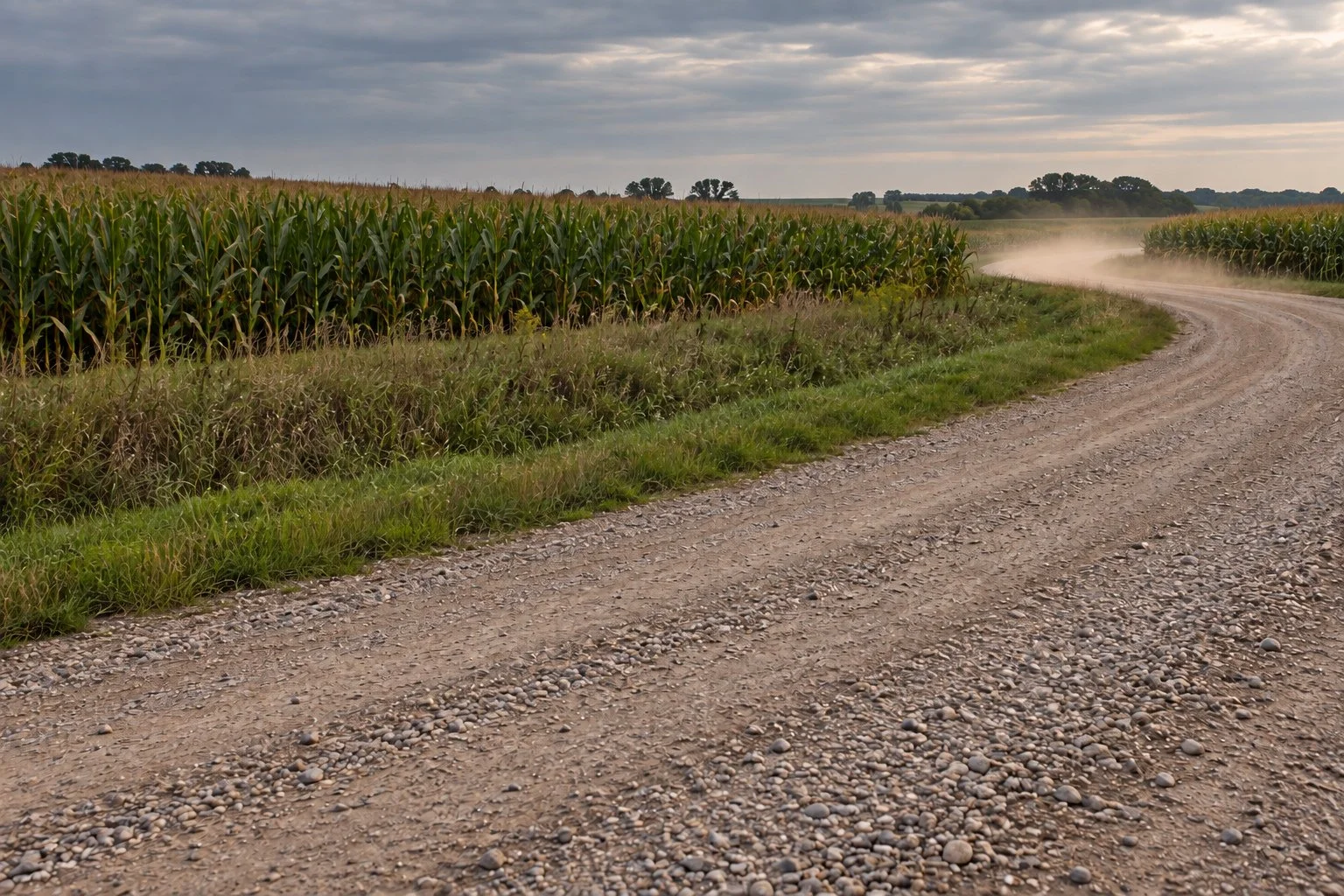
Not stopping immediately does not tell the whole story of a fleeing case. The clarity of the officer’s signal, what the driver could perceive, the sequence of events, and whether the conduct shows an intent to elude all matter all matter when determining whether the driver intentionally attempted to elude the officer.
DNA Evidence in Minnesota Criminal Cases
DNA evidence can be powerful, but human judgment can still play a role in its interpretation, making careful review important. Even a scientifically sound DNA result does not, by itself, establish when biological material was deposited, how it got there, or what happened. A DNA result may be scientifically sound and still be legally misleading when used to support a conclusion the science does not establish.

When DNA or Forensic Evidence Is Part of the Case
Forensic DNA evidence is often portrayed as infallible proof. The reality is far more complex. A reported scientific "match" marks the start of a deep technical inquiry. Samples frequently contain mixed profiles from multiple contributors, degraded DNA, or low-template cell counts. Results can raise major questions regarding secondary transfer, contamination, handling protocols, and statistical modeling.
Jackson County does not run an internal crime laboratory. Forensic samples requiring DNA, drug, or toxicological analysis are sent out to the Minnesota Bureau of Criminal Apprehension or private labs.
That testing process generates voluminous underlying data. When handling forensic cases, I demand the complete laboratory case files, which includes all the underlying lab data, processes, and assumptions made that the lab relied on in reaching it conclusion.
My training in forensic DNA enables me to spot issues relevant to the defense. I apply this knowledge strategically when science is central to the defense. Learn more in my guide to contesting DNA in court →

How I Evaluate a Criminal Case
My defense process starts by listening to you.
I want to understand what occurred from your perspective, what details you recall, what outcomes concern you most, and what helpful facts lie outside official police reports.
I then review the state's discovery line-by-line to build a precise chronological timeline. I cross-reference officer narrative reports against dashcam video, bodycam audio, lab results, and witness statements.
From there, I pinpoint the critical legal issues:
Was the police stop constitutionally justified?
Did officers possess probable cause for the search?
Were statements obtained voluntarily and legally?
Can prosecutors prove knowing possession?
Does video evidence contradict written reports?
Was evidence handled and stored properly?
Are state witness statements consistent?
Does the scientific testing support the state's claims?
What critical evidence did officers fail to collect?
A practical defense rests on hard evidence and precise legal analysis, not empty guarantees. I will deliver a straight assessment of your case, detailing legal options and recommended steps. You will always receive realistic, candid advice.
Why Clients Trust Barron Law Office
Small Town Knowledge, Big City Fight
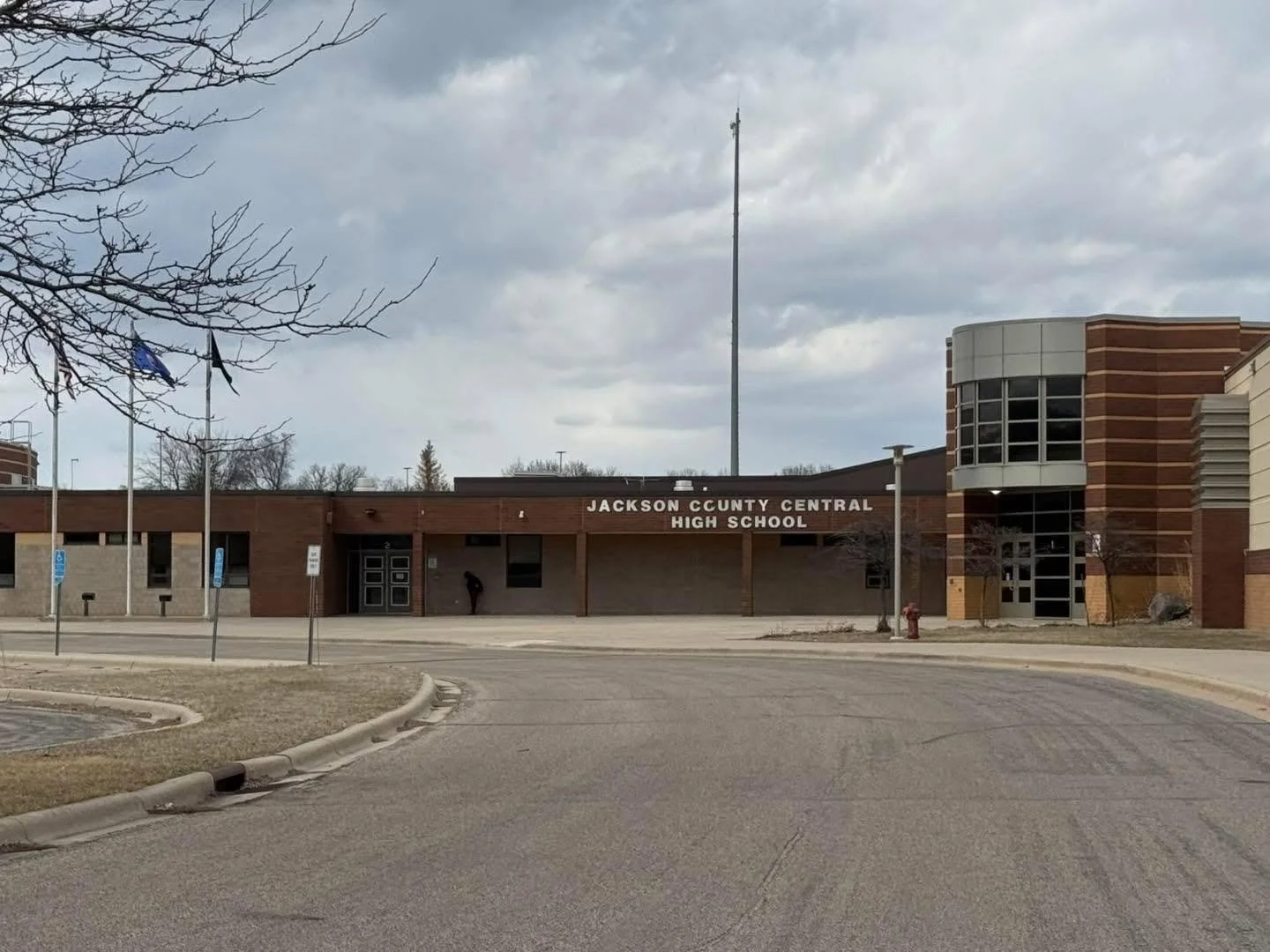
I grew up in North Minneapolis and later made southwestern Minnesota my home. I know this part of the state, but I did not leave the fight behind when I came here. I will help you assess the case, understand your options, and give you the information to decide what is right for you.
In Jackson County, a case may start with a traffic stop on Interstate 90 or U.S. Highway 71, a call in Jackson or Lakefield, an investigation near Heron Lake, or an incident on a rural road or farm property.
Those details matter because they can affect which agency was involved, what records should exist, what evidence may have been collected, and what may have been missed. I want to know what actually happened. That means looking at the reports, the recordings, the timeline, the physical evidence, and anything else that helps test whether the officer's account holds up.
Serving Jackson, Lakefield, Heron Lake, and Jackson County
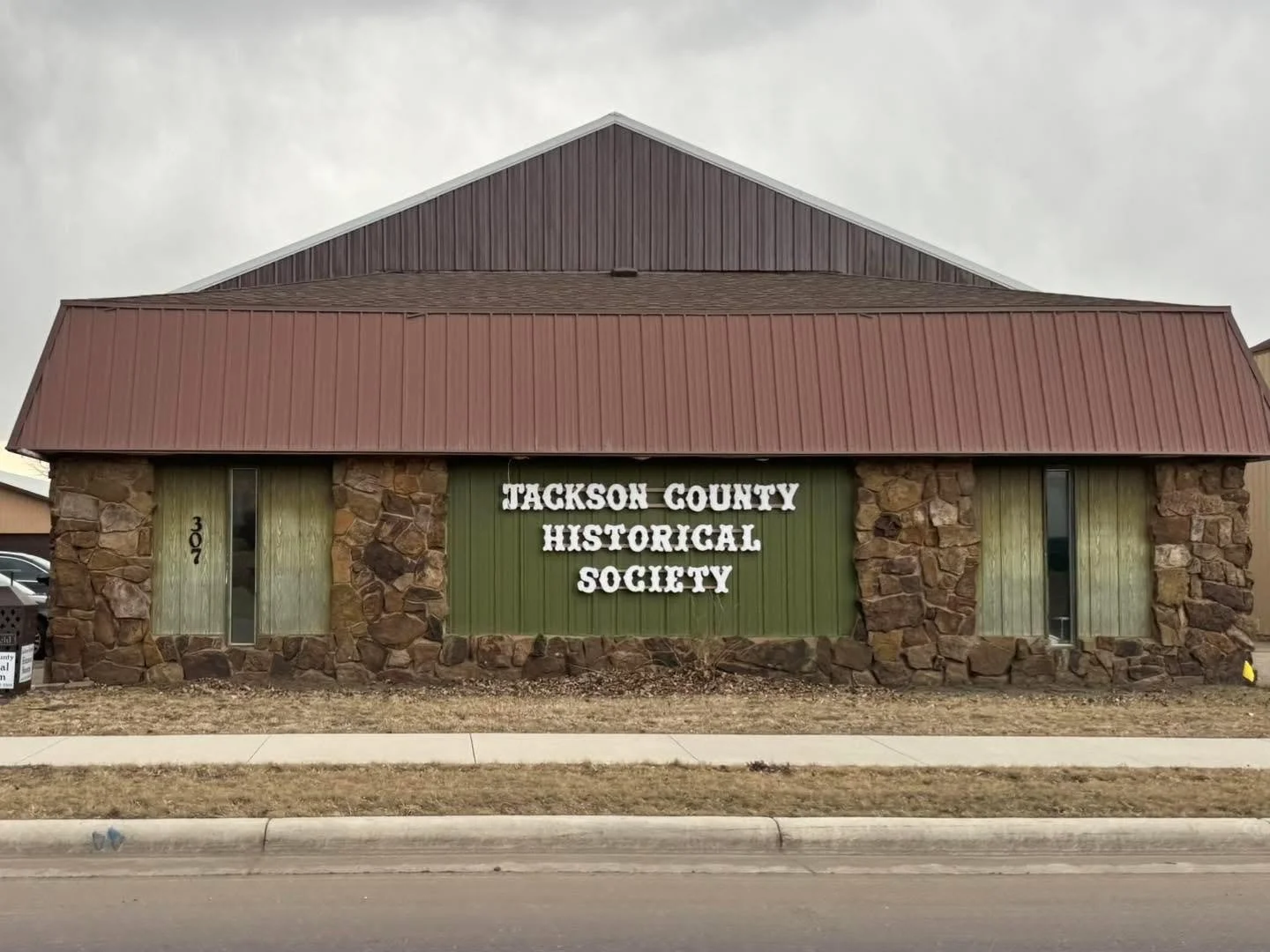
Operating from my Westbrook office, I defend individuals throughout Jackson County, including:
• Jackson
• Lakefield
• Heron Lake
• Okabena
• Alpha
• Wilder
• Rural farming communities countywide
You can contact me before the first court date. I can talk with you after an arrest, while an investigation is still open, or if law enforcement has asked to speak with you.
Frequently Asked Questions About Jackson County Criminal Cases
-
No. Always consult a criminal defense attorney before speaking with law enforcement. Innocent individuals frequently make misstatements or omit details when stressed, which prosecutors later use to build a case.
-
Yes. Retaining an attorney early allows us to manage police communications, prevent risky interrogations, preserve perishable evidence, and monitor whether charges will formally be filed.
-
Most criminal cases filed in Jackson County are heard at the Jackson County District Court at 405 4th Street, Jackson. The court is part of Minnesota's Fifth Judicial District.
-
Cases may be investigated by the Jackson County Sheriff's Office, Jackson Police Department, Lakefield Police Department, Minnesota State Patrol, or another assisting agency. The Minnesota Bureau of Criminal Apprehension may also assist with major investigations or laboratory testing.
-
Yes, provided facts support a constitutional challenge. Officers must possess reasonable, articulable suspicion to execute a stop. Dashcams, dispatch audio, and road conditions often reveal legal defects.
-
This charge alleges that an individual possessed firearms or ammunition while disqualified under state or federal law. Defenses center on legal status, actual control, knowledge, and illegal searches.
-
Yes. DNA analysis can be challenged on sample collection errors, lab contamination, complex mixtures, low-copy profiles, improper testing procedures, and incorrect statistical conclusions.
-
No. DNA testing indicates potential biological association, but it cannot prove when material was deposited, how it transferred, or whether criminal conduct took place.
-
Bring citations, police reports, release papers, court summonses, search warrants, or property receipts. Preserve related text messages, photos, videos, and contact details for potential witnesses.
-
Immediately. Reaching out early preserves crucial defense evidence, protects your constitutional rights, safeguards driver's license deadlines, and allows adequate time to construct a proactive defense.
More Information From Barron Law Office
Read answers to common criminal defense and forensic law questions.
Learn more about my practice philosophy.

Contact a Jackson County Criminal Defense Lawyer
Call me, let’s talk.
A criminal charge can make it hard to think much beyond the next court date.
You may not know what evidence exists or what happens next. You may also be worried about jail, your job, your family, immigration consequences, or whether the case could affect your ability to remain in the community.
Call me and we can talk through the charge, what happens next, and the options available in your situation.
This page provides general information and is not legal advice. Every criminal case depends on its own facts, evidence, and procedural history.
Practice Scope
My criminal defense practice does not include speeding or minor traffic infractions, probation violation representation, appellate or postconviction work, separate driver's license revocation proceedings, commercial driver's license (CDL) matters, or civil harassment restraining orders (HROs) or orders for protection (OFPs). I do handle the criminal DWI case itself.