
Criminal Cases in Lake Wilson, Minnesota
Criminal Defense in Lake Wilson
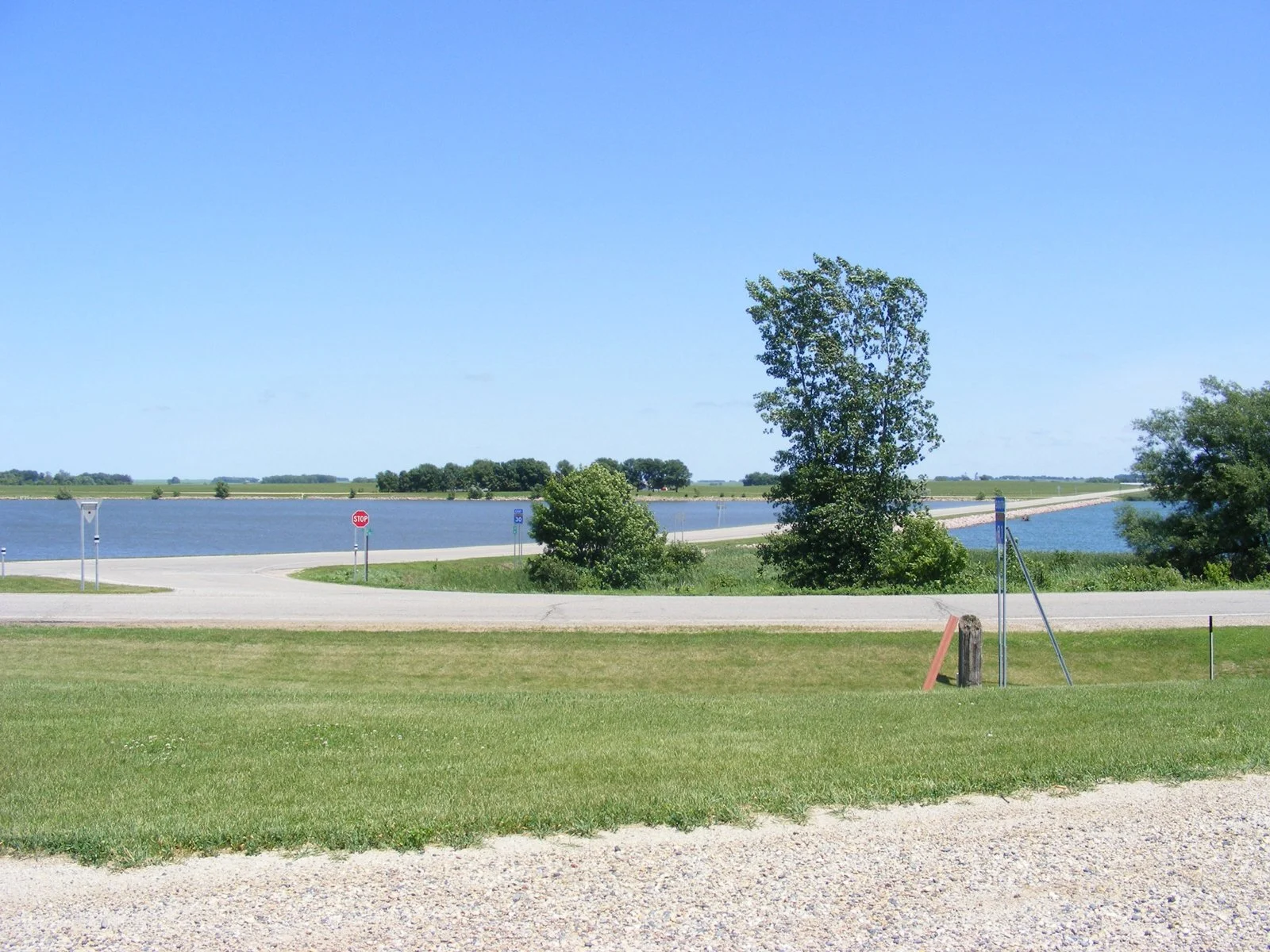
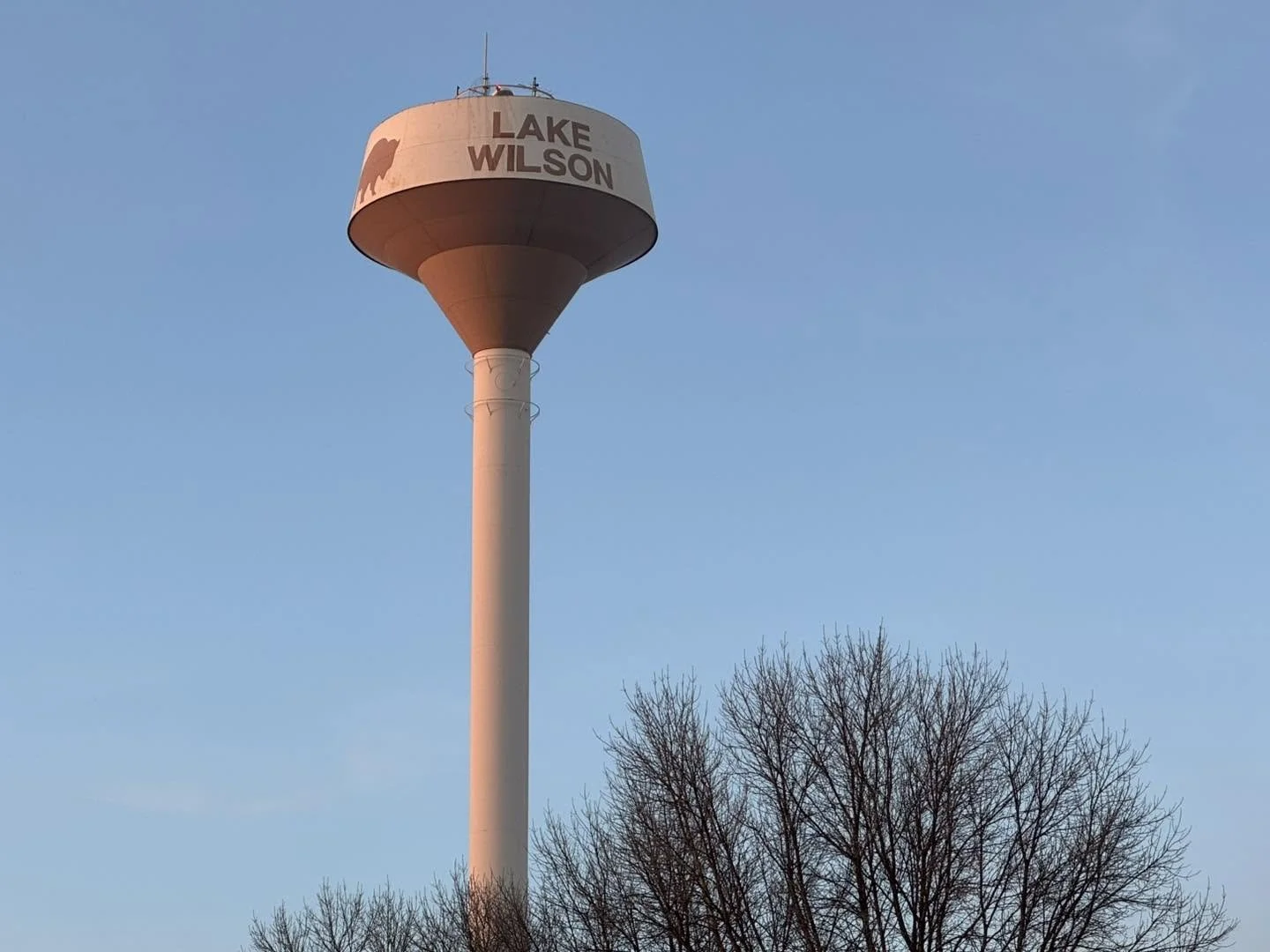
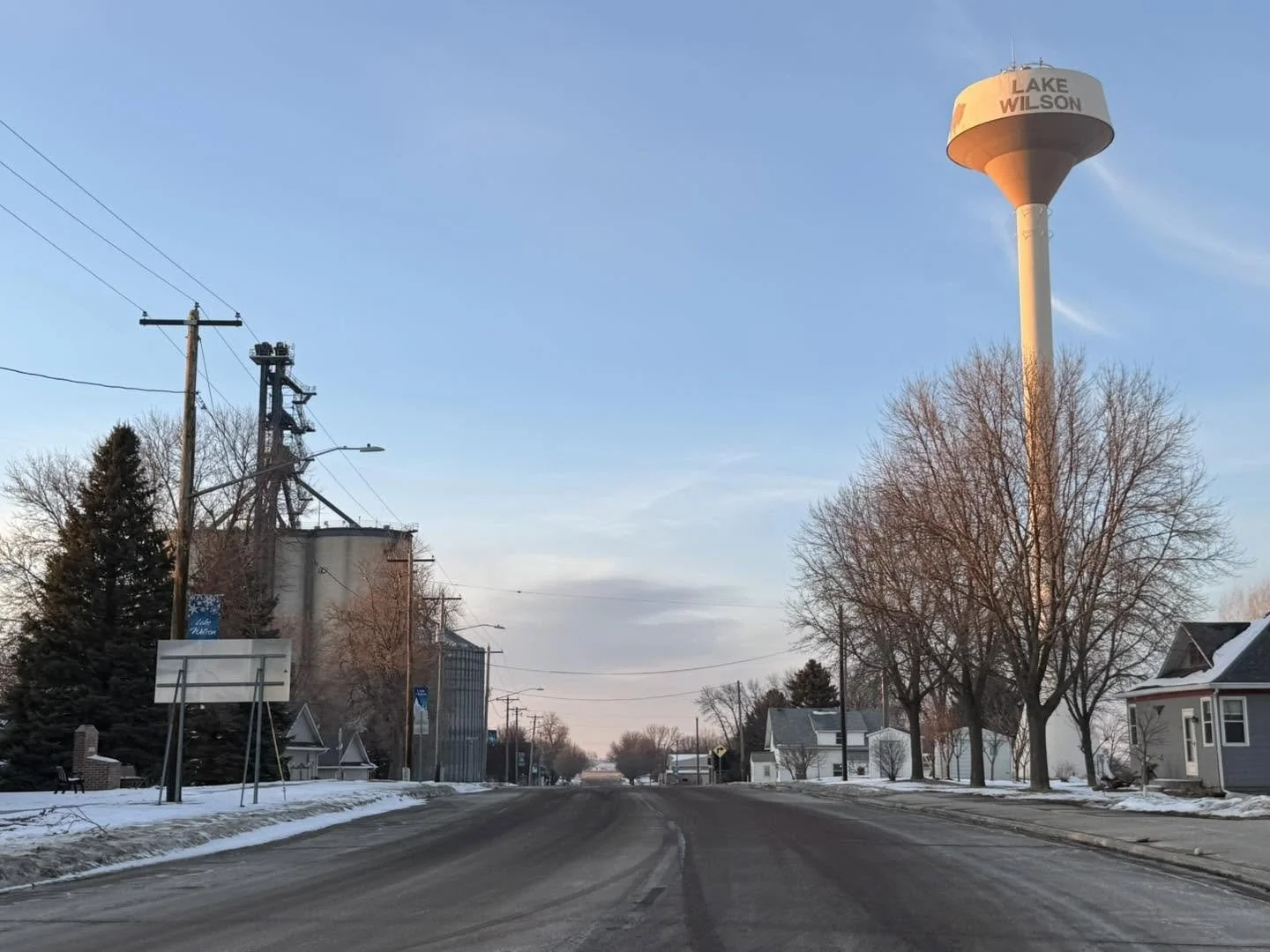
Lake WIlson, Minnesota
Lake Wilson is a town of about 250 people in western Murray County, where Minnesota Highways 30 and 91 meet. Highway 30 links it east to Slayton and west to Pipestone, so a good share of regional traffic passes through. Lake Wilson has no police department, and the Murray County Sheriff’s Office handles law enforcement in town and across the surrounding farmland.
The agencies you are most likely to deal with in Lake Wilson are the Murray County Sheriff’s Office, Minnesota State Patrol, the MN BCA, or the Buffalo Ridge Drug and Violent Crime Task Force. The Murray County Attorney’s Office in Slayton prosecutes the cases.
Lake Wilson’s Town & Country Days, organized by the Lake Wilson Community Club, is one of the times the whole community comes together. In a town this size, people notice when something is off. If law enforcement has been at your house, your vehicle was searched, or you suddenly have a court date, it can feel like everyone knows before you have even figured out what is happening yourself.
You do not need to have an answer for everyone else right now. You need good advice about what actually comes next.
Jump to:
Arrested in Lake Wilson? What Happens Next?
If a Loved One Has Been Arrested and is in Jail, What You Need To Know
Charged in Lake Wilson? What Happens When You Call Me?
Who Handles a Lake Wilson Criminal Case?
Cases I Handle
If Your Lake Wilson Case Involves DNA
Common Questions About Lake Wilson Criminal Cases
Arrested in Lake Wilson? What Happens Next?
If someone is arrested in Lake Wilson, they will usually be taken to the Lyon County Jail in Marshall. Murray County uses the Lyon County Jail to house people who are being held in custody, so families are sometimes surprised to learn that their loved one is not being held in Murray County.
You can check the current Lyon County custody list here.
The next step depends on the charge and whether the person can be released before seeing a judge. If they remain in custody, the first appearance is where the court will address release, whether bail is necessary, and what conditions should apply. The court may also address whether the person has a lawyer or needs one appointed.
Bail is not supposed to be based on the charge alone. The judge can look at things like work, housing, family ties, prior court appearances, criminal history, the circumstances of the allegation, and any safety concerns. The first appearance is not litigating the facts of the case. It is about determining release and what conditions apply while the case is pending.
If a Loved One Has Been Arrested and is in Jail, What You Need To Know:
What Not To Do
DO NOT TALK ABOUT THE CASE ON THE PHONE. There is nothing unusual about wanting to know what happened. Just do not have that conversation over a recorded jail line. What either of you says can end up being played back later. Handle home, family, and practical issues instead.
KNOW ALL COMMUNICATION THROUGH THE JAIL IS MONITORED. Video visits are recorded and written mail will be read. Do not put anything in those communications that you would not want the prosecutor reading or hearing later.
DO NOT CONTACT THE ALLEGED VICTIM FOR THEM. Your loved one may desperately want you to explain something or make things right. Do not do it. If contact is prohibited, you can create another problem simply by acting as the go-between.
DO NOT POST ABOUT THE CASE. Keep everyone involved out of your social media. Do not post facts, theories, screenshots, or statements about who is telling the truth. Give me the information instead.
What To Do Now
PRESERVE PHYSICAL EVIDENCE. Start with anything that can disappear or change. Save video immediately. Keep full text chains. Photograph injuries and property. Preserve clothing and objects as they are.
WRITE DOWN WHAT HAPPENED WHILE IT IS FRESH. Capture the timeline before days start running together. Include what happened, where it happened, who was present, and the words you remember being used.
GET NAMES AND PHONE NUMBERS. Write down the people we may need to talk to later and enough information to actually find them. That includes people who were present before or after the main event.
GET ME THE INFORMATION I NEED FOR BAIL. Before court, I need to know the things that help me explain who your loved one is outside this allegation: where they live and work, how long they have been in the community, who depends on them, finances, criminal history, past court appearances, any missed appearances, and anything that may affect the judge's public safety analysis.
Charged in Lake Wilson? What Happens When You Call Me?
“You do not need to have everything figured out before you call me. In fact, I expect that you will not. You do not need to know the right questions to ask, and you do not need to convince me that you deserve help. You can start just by telling me what happened and what you are worried about most.
I will be honest with you about what I see, what concerns me, what we do not know yet, and what options you have. Making that first call does not commit you to anything. Sometimes the hardest part is simply picking up the phone. We can start there.
”

Who Handles a Lake Wilson Criminal Case?
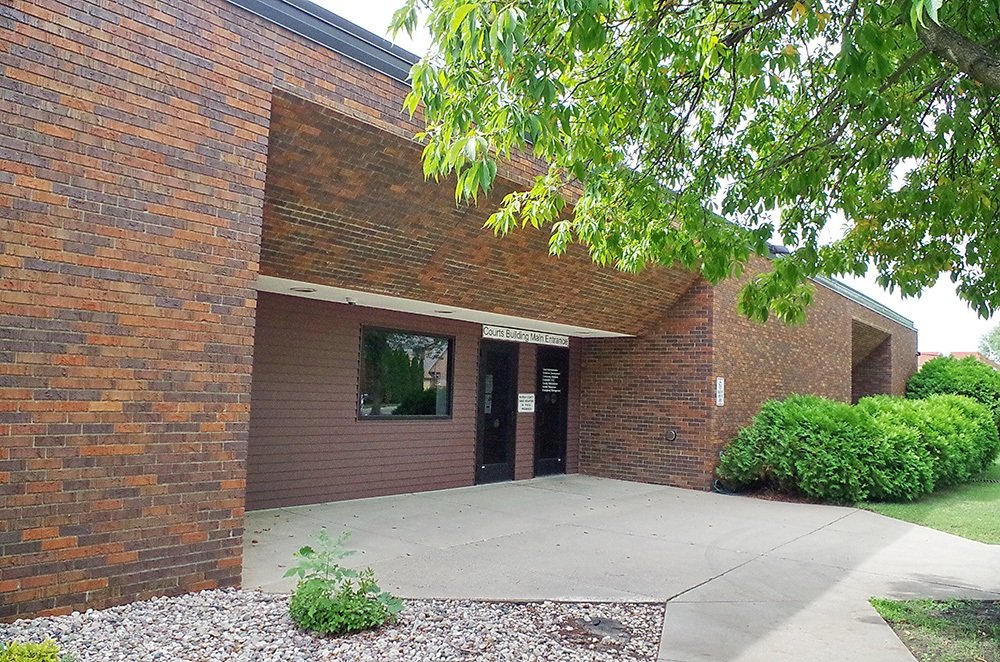
The court for criminal cases from Lake Wilson is Murray County District Court:
Murray County District Court
2500 28th Street
Slayton, MN 56172
The courthouse is part of the Fifth Judicial District of Minnesota, and the Murray County Attorney’s Office prosecutes criminal cases from Lake Wilson. Not every hearing requires a trip to Slayton; some are held remotely. How you must appear is set by your hearing notice or any court order.
Your case may have been investigated by the Murray County Sheriff’s Office, Minnesota State Patrol, the Minnesota Bureau of Criminal Apprehension, or the Buffalo Ridge Drug and Violent Crime Task Force, depending on the circumstances.
Cases I Handle
DWI
A DWI case in Minnesota begins before a breath, blood, or urine test is obtained. Why the vehicle was stopped, whether the investigation was lawfully expanded, what the officer observed, and how standardized field sobriety tests and chemical testing were conducted can all matter to the defense.

Drug Possession or Sale
Drug charges in Minnesota often turn on how law enforcement found the drugs, whether there was a lawful search, and whether the State can connect them to the person accused. A substance found in a vehicle, home, or other shared space does not by itself answer who knew it was there or who possessed it. When sale is alleged, the evidence must also support the State’s claim that the conduct went beyond possession.

Felony Criminal Defense
Felony cases rarely turn on a single piece of evidence. The defense begins by testing the State’s theory against the entire record and separating what is alleged from what can actually be established.
Theft and Property Crime
Theft allegations in Minnesota often stem from misunderstandings, shared property, or disputed intent. Ownership, permission, intent, access, and the circumstances surrounding the property can all affect whether the State can establish a theft occurred.
Domestic Assault
Domestic assault cases can develop quickly from a highly charged event into a criminal allegation, sometimes before the surrounding context is clear. What was said and done before, during, and immediately after the incident can matter as much as the first account given to police.

Assault
Assault in Minnesota is not limited to physical contact. A charge can be based on an alleged intent to cause fear of immediate bodily harm or death, or on intentionally inflicting or attempting to inflict bodily harm. Intent, self-defense, the nature of any injury, and the circumstances of the encounter must all be examined in context.

Burglary
Being connected to a location does not, by itself, establish burglary. Important questions still need to be examined. Was entry without consent? What was intended or what occurred inside? Does the evidence actually connect the accused person to the charged conduct? These answers all contribute to a burglary defense in Minnesota.
Criminal Damage to Property
Property damage does not automatically explain who caused it, whether it was intentional, or what the damage is actually worth. Those questions can be central to a criminal damage to property case in Minnesota, including whether the State can prove the offense and the level of charge alleged.
Criminal Sexual Conduct Defense
A criminal sexual conduct allegation in Minnesota must be examined in the context of the evidence surrounding it. Chronology, communications, the way statements were obtained, and medical, digital, or forensic evidence may support, contradict, or place the allegation in a different context.
Felon in Possession and Prohibited Person Firearm and Ammunition Charges
Simply being near a firearm—especially in shared vehicles, homes, or rural properties—does not by itself answer who possessed it or whether the person knew it was there. In shared spaces, access and control matter, and so does whether the alleged legal prohibition actually applied.
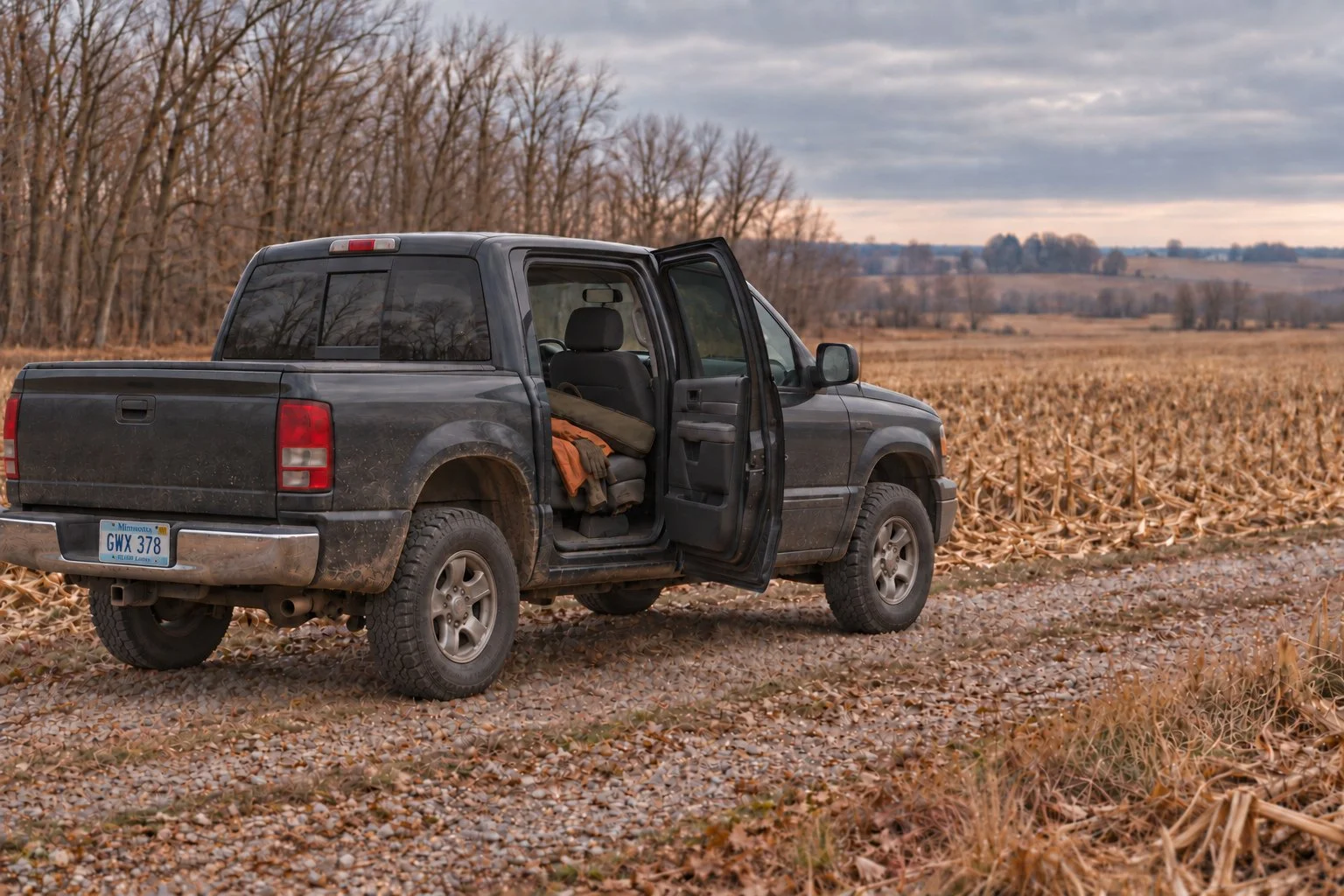
Fleeing A Police Officer
Not stopping immediately does not tell the whole story of a fleeing case. The clarity of the officer’s signal, what the driver could perceive, the sequence of events, and whether the conduct shows an intent to elude all matter all matter when determining whether the driver intentionally attempted to elude the officer.
DNA Evidence in Minnesota Criminal Cases
DNA evidence can be powerful, but human judgment can still play a role in its interpretation, making careful review important. Even a scientifically sound DNA result does not, by itself, establish when biological material was deposited, how it got there, or what happened. A DNA result may be scientifically sound and still be legally misleading when used to support a conclusion the science does not establish.

If your Lake Wilson Case Involves DNA
Hearing that there is DNA in your Lake Wilson case can feel like the end. It is not. Mixtures can be messy. When DNA from several people is in the same sample, the interpretation is not always as clean or certain as the final statistic can make it sound.
The BCA laboratory tests biological evidence collected in Lake Wilson. The report may give a likelihood ratio or say someone cannot be excluded, but it usually does not show you how complicated the mixture was or how much uncertainty existed in the interpretation.
When several people contributed DNA, their alleles can overlap. Some contributors may be present at much lower levels than others. More than one possible combination of genotypes may fit the data. The software can still produce a number, but that number does not make the underlying mixture simple.
That is why I want to know more than whether someone could be included. I want to know how many contributors were assumed, what other genotype combinations fit, how much support each received, and whether the final statistic is making the evidence sound more definite than it really is.
You will not get those answers from the summary report. They are in the underlying laboratory file, electropherograms, analyst notes, and STRmix output.
I do this work every day, and attorneys and families across Minnesota ask me to evaluate DNA evidence in their cases. I am a Fellow of the American Academy of Forensic Sciences, a former Chair of its Jurisprudence Section, STRmix trained, and I train defense attorneys statewide on DNA evidence. I will tell you where the mixture is clear, where it is not, and what the DNA actually supports.
-
No. The office location matters less than whether your lawyer regularly handles criminal cases in Murray County District Court and knows how that court works. My office is in Westbrook, and I take criminal cases across southwestern Minnesota, Murray County included. I have been representing people in Murray county for about a decade and a half.
-
No. You do not have to agree to an interview just because an officer asks. There are times when giving a statement may make sense, but first I want to know why they want to talk to you, what they already know, and whether they see you as a witness or a suspect. You can politely say you want to speak with a lawyer first. In most cases, the best move is to say nothing and call an attorney.
-
No. There is no need to wait for a complaint to be filed. Having a lawyer early can make a real difference while police are still investigating, before evidence disappears, and before you make decisions like giving a statement or allowing a search. Sometimes early help changes whether charges are filed at all.
-
It depends. Some Murray County hearings are remote and others are in person at the courthouse. Your hearing notice will tell you which applies each time. If you cannot make a hearing, contact the court or your lawyer right away, because missing it can lead to a warrant.
-
You are advised of the charge and your rights, representation is addressed, and the judge determines what your release will look like.
That last part can be significant. A judge may release you on your promise to return, use an unsecured bond, impose conditions, or set monetary bail. If conditions are imposed, they can regulate contact with other people, travel, residence, supervision, and other parts of your life while the case is pending.
The court is not supposed to make that decision based on the criminal charge standing alone. Minnesota’s rule requires the judge to consider the evidence and circumstances of the allegation along with your family ties, employment, finances, character, time in the community, convictions, court-appearance history, any history of flight, and safety concerns.
In other words, who you are and what your actual history shows matter at that hearing.
-
No. Criminal cases are generally heard in the county where the alleged offense happened, so an arrest in Lake Wilson stays in Murray County wherever you live.
-
DNA collected by an officer in Lake Wilson does not get tested at the local sheriff’s office. The evidence is packaged, documented, and sent to the BCA forensic laboratory system. For cases from this part of Minnesota, that has generally meant the BCA laboratory in St. Paul.
Then there can be a wait. Forensic DNA testing takes time, and turnaround can range from weeks to months depending on the evidence, the testing needed, and the caseload at the laboratory.
When the work is complete, the prosecutor receives a report summarizing the BCA’s findings. I receive that report through discovery. If DNA is involved in the case, that is where my review starts—not where it ends.
I request the complete underlying laboratory materials. I want the testing records, notes, data, and other information that allows me to evaluate whether the conclusion in the report is actually supported by the work that was done.
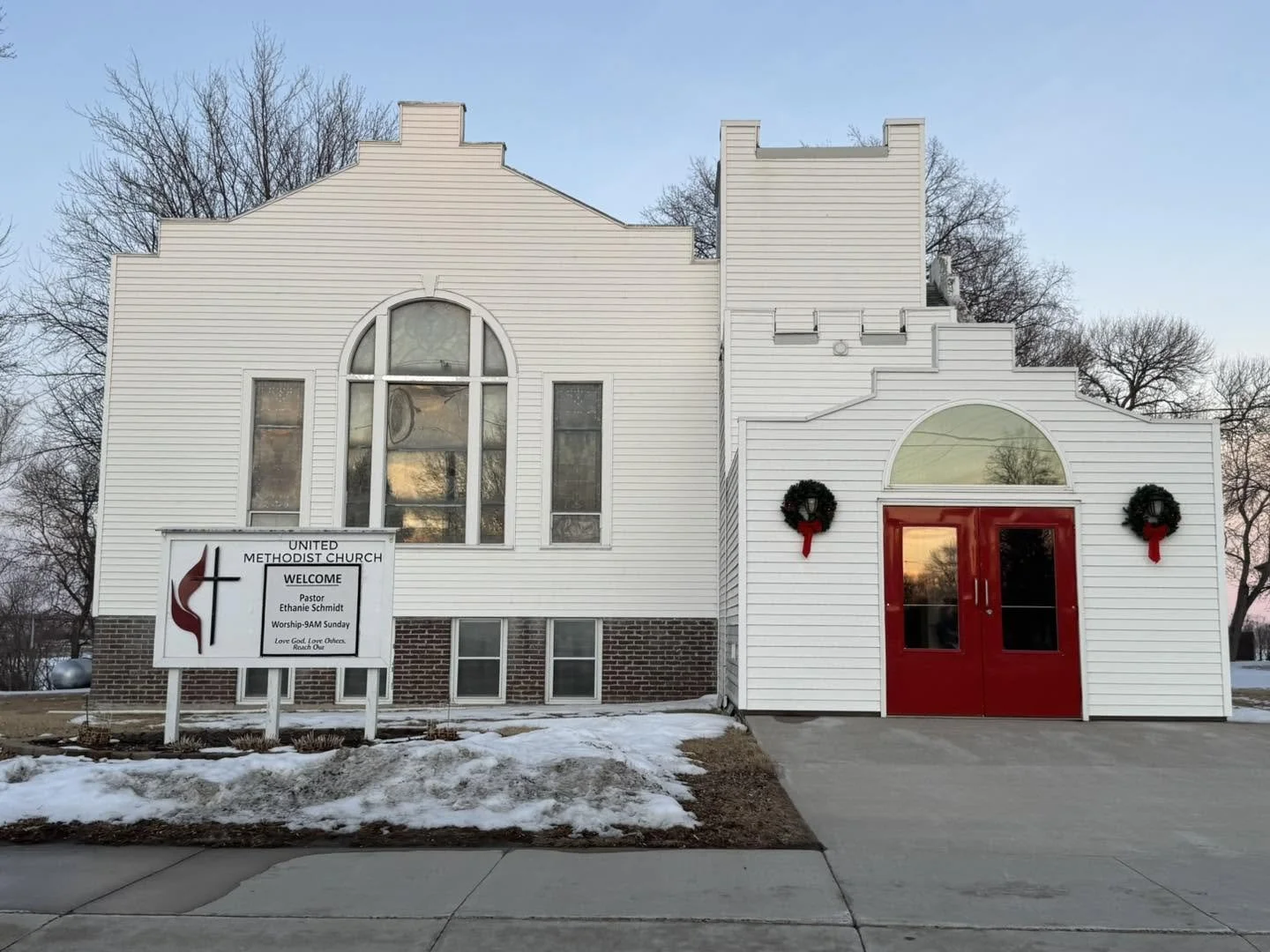
Common Questions About Lake Wilson Criminal Cases
Contact a Lake wilson Criminal Defense Lawyer
Call me, let’s talk.
A criminal charge can make it difficult to think beyond the next court date. You may not know what evidence exists, what the prosecutor will do, or how the case could affect your family, job, license, or freedom.
You do not have to figure it out alone.
I will listen to what happened, review the situation with you, and explain what I believe should happen next.
This page provides general information and is not legal advice. Every criminal case depends on its own facts, evidence, and procedural history.
Practice Scope
My criminal defense practice does not include speeding or minor traffic infractions, probation violation representation, appellate or postconviction work, separate driver's license revocation proceedings, commercial driver's license (CDL) matters, or civil harassment restraining orders (HROs) or orders for protection (OFPs). I do handle the criminal DWI case itself.