
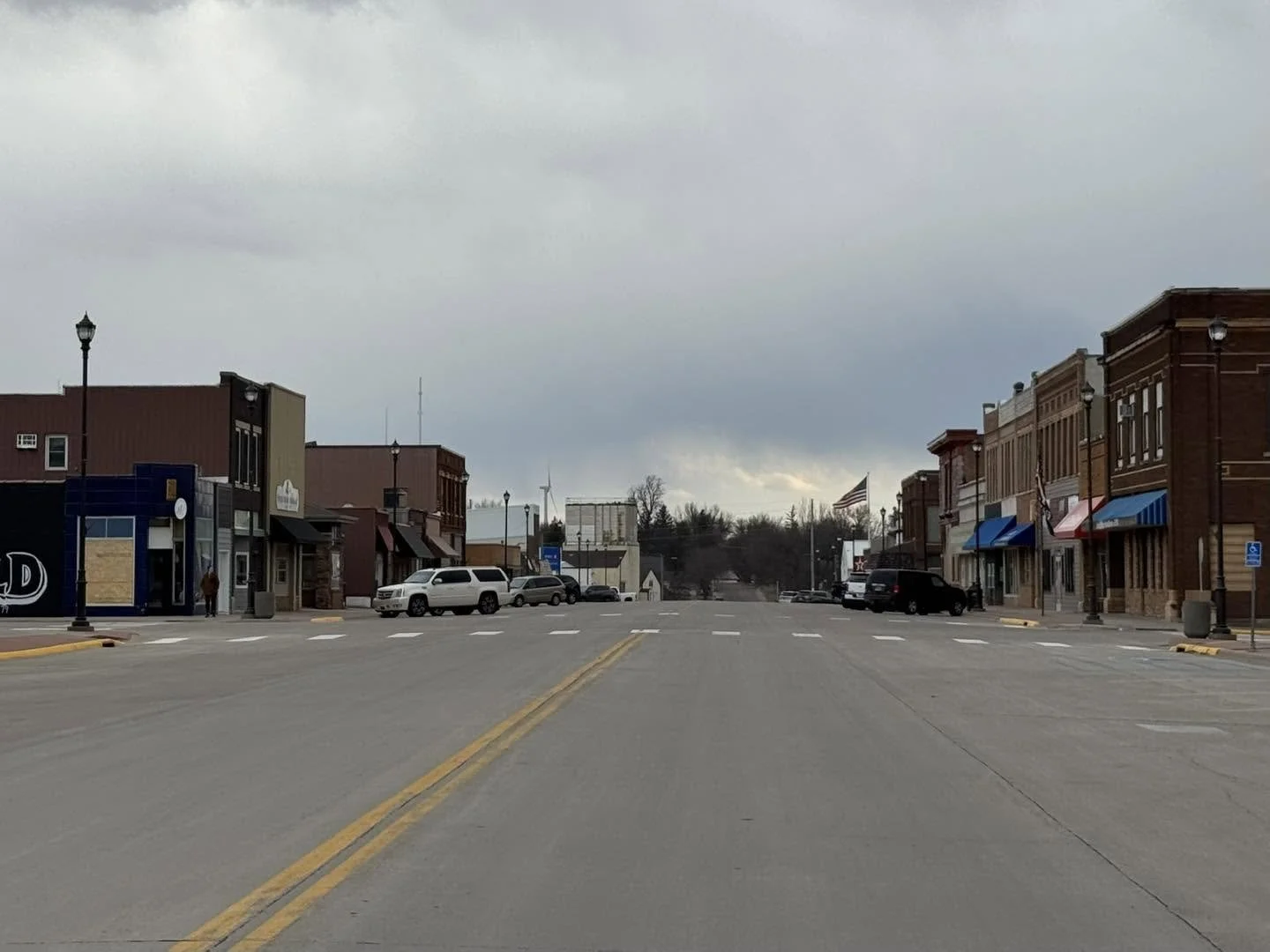
Criminal Cases in Lakefield, Minnesota
Criminal Defense in the City of Lakefield
Lakefield, Minnesota
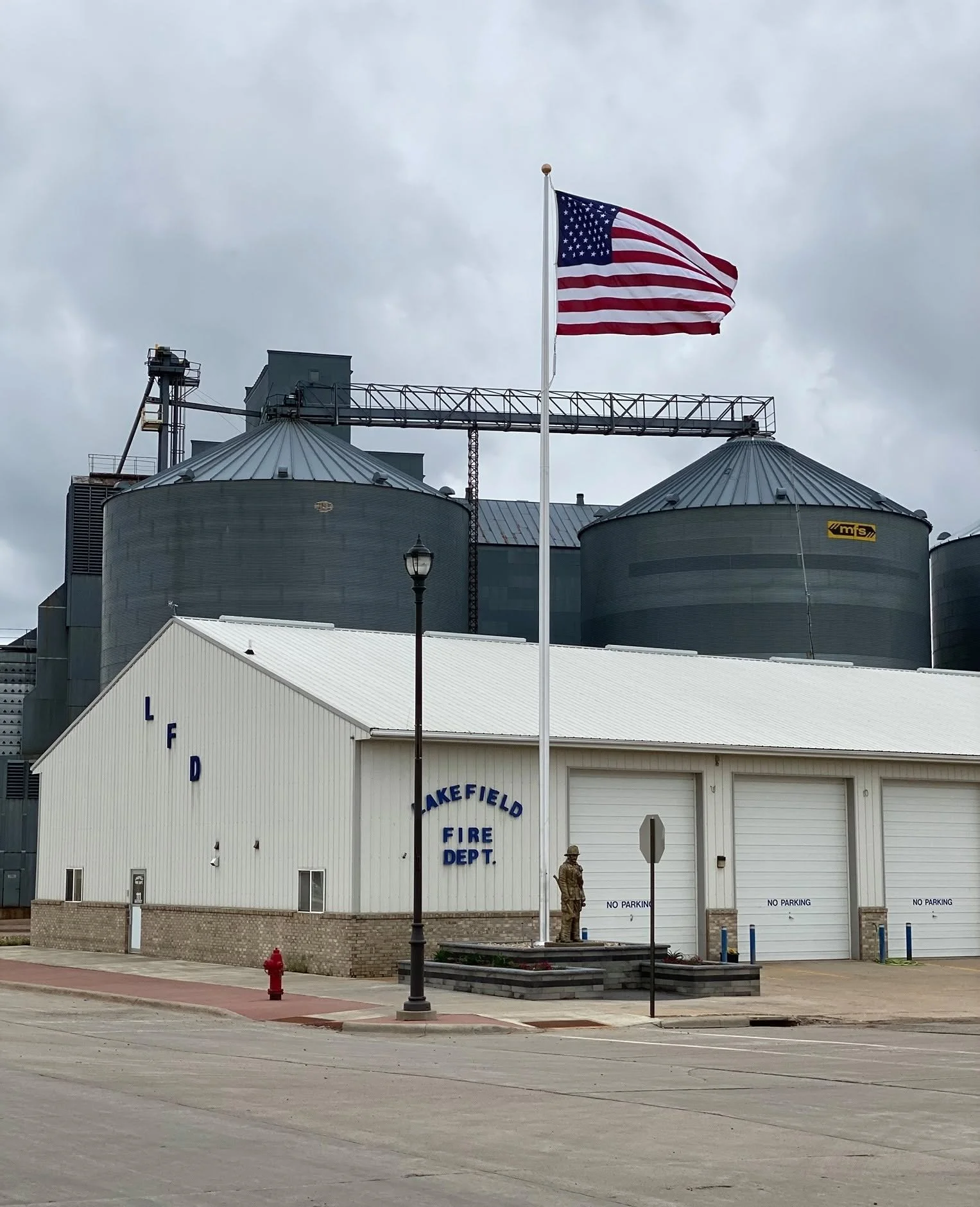
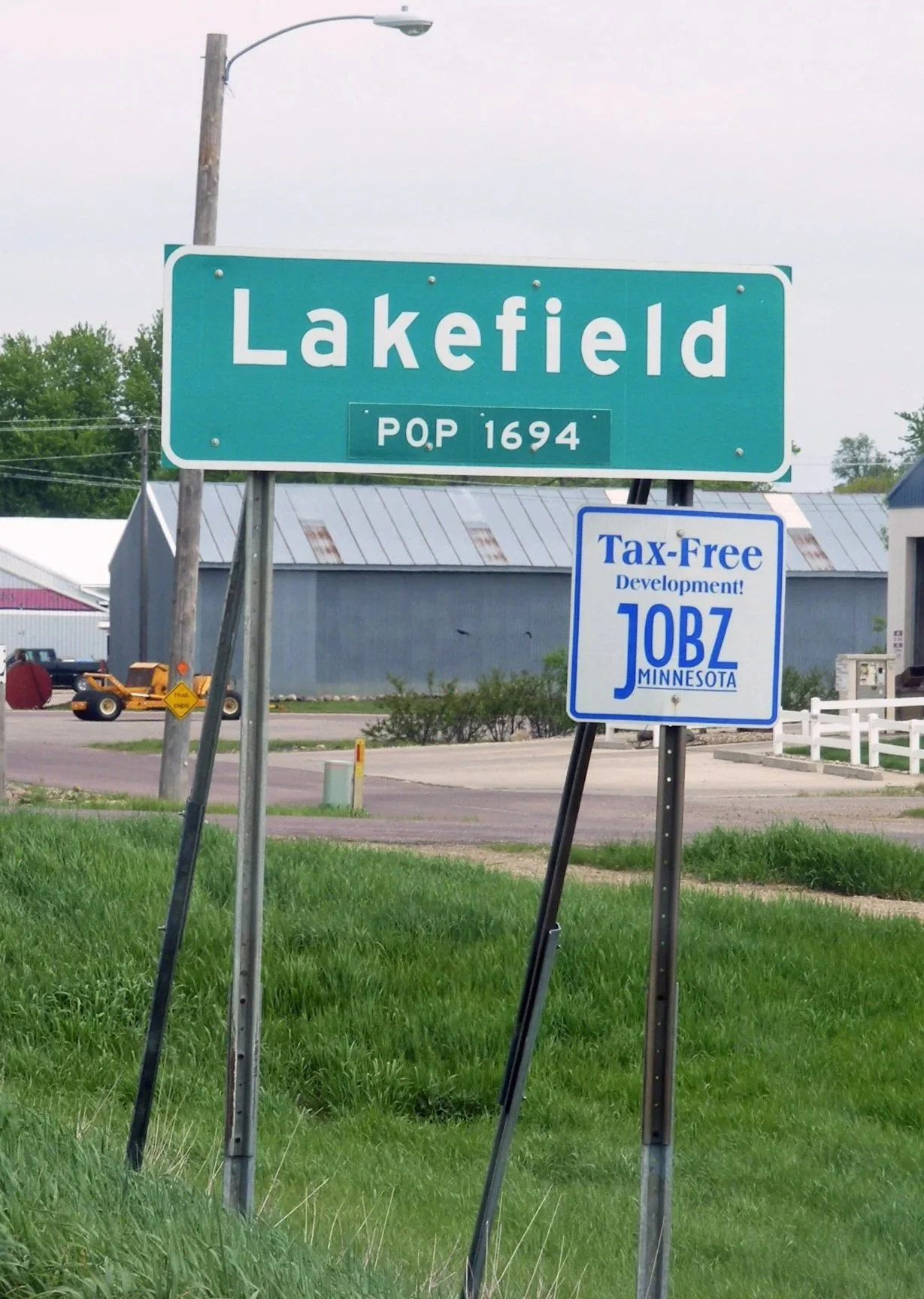
Lakefield is a city of around 1,700 people in Jackson County, set along Minnesota Highway 86 a few miles north of Interstate 90. Farming, manufacturing and the local schools anchor the community, and Highway 86 carries traffic between I-90 and the towns to the north. Lakefield has its own police department, with dispatch handled through the Jackson County Sheriff’s Office.
In Lakefield, investigations may involve the Lakefield Police Department, Jackson County Sheriff’s Office, Minnesota State Patrol, or the MN BCA. Charging decisions are made by the Jackson County Attorney’s Office in Jackson.
Lakefield Summerfest fills a week in June with food trucks, family events, and evening gatherings across town. But Lakefield is also different from many of the smaller communities around it because it has its own police department. When a case starts here, the officer, the witnesses, and the people involved may all be people you continue to see at work, at school events, at the grocery store, or around town while the case is still going on.
You still have to live your life in Lakefield while the case is pending. I do not lose sight of that.
Jump to:
Arrested in Lakefield? What Happens Next?
If someone is arrested in Lakefield, they will generally be taken to the Jackson County Jail in Jackson. For family members, one of the first questions is often whether the person is still there or has already been released.
Jackson County maintains an online jail roster that you can check here.
What happens next will depend on the charge and whether the person is released before going to court. If they remain in jail, the first appearance matters because the judge will address release, whether bail is necessary, what conditions should apply, and whether the person has a lawyer or needs one appointed.
If the person was released or given a citation, the first appearance still matters. The court can address bail and the conditions the person must follow while the case is pending. Being out of custody does not mean there will be no conditions of release.
When deciding bail and release conditions, the judge can look at things like employment, housing, family and community ties, prior court appearances, criminal history, the circumstances of the new allegation, and safety concerns.
The first appearance is not where the whole case gets decided. But it can determine the rules you will have to live under while your case is being decided.
If a Loved One Has Been Arrested and is in Jail, What You Need To Know:
What Not To Do
DO NOT TALK ABOUT THE CASE ON THE PHONE. Do not let a recorded call become the place where your loved one makes their first detailed statement about what happened. Once those words are out, we cannot take them back. Keep the conversation focused on life outside the case.
KNOW ALL COMMUNICATION THROUGH THE JAIL IS MONITORED. Written mail and video calls will be reviewed too. Do not put case details in either one. Text messages are also reviewed.
DO NOT CONTACT THE ALLEGED VICTIM FOR THEM. Do not ask someone to “just hear them out.” Do not deliver an apology. Do not ask the other person to change anything they have already said. Those efforts can be misunderstood or become evidence themselves.
DO NOT POST ABOUT THE CASE. Do not respond to the police department's post, the local rumor mill, or anyone else discussing the arrest online. Silence on social media is not an admission of anything.
What To Do Now
PRESERVE PHYSICAL EVIDENCE. Keep evidence in the condition it is in now. Save electronic communications. Take photographs. Protect video. Do not clean, repair, wash, or discard something until we know whether it matters.
WRITE DOWN WHAT HAPPENED WHILE IT IS FRESH. Memories become less precise with time. Write down the timeline and details now, before the case begins to shape how everyone remembers it.
GET NAMES AND PHONE NUMBERS. Get reliable contact information for people who saw, heard, or know something relevant. Do not assume law enforcement identified everyone.
GET ME THE INFORMATION I NEED FOR BAIL. Bail is not supposed to be based on the charge alone. I need the facts about your loved one's life that the judge can consider: work, finances, residence, community ties, family responsibilities, criminal history, past court appearances, and any safety issues.
Charged in Lakefield? What Happens When You Call Me?
“You do not need to have everything figured out before you call me. In fact, I expect that you will not. You do not need to know the right questions to ask, and you do not need to convince me that you deserve help. You can start just by telling me what happened and what you are worried about most.
I will be honest with you about what I see, what concerns me, what we do not know yet, and what options you have. Making that first call does not commit you to anything. Sometimes the hardest part is simply picking up the phone. We can start there.
”
Who Handles a Lakefield Criminal Case?
Criminal matters from Lakefield are filed with Jackson County District Court:
Jackson County District Court
405 Fourth Street
Jackson, MN 56143
It falls within Minnesota’s Fifth Judicial District. Prosecution of Lakefield cases is handled by the Jackson County Attorney’s Office. Not every hearing requires a trip to Jackson; some are held remotely. How you must appear is set by your hearing notice. Many uncontested hearings are held remotely in Jackson County.
Which agency is involved depends on the case, but it may be the Lakefield Police Department, Jackson County Sheriff’s Office, Minnesota State Patrol, or the Minnesota Bureau of Criminal Apprehension.
Cases I Handle
DWI
A DWI case in Minnesota begins before a breath, blood, or urine test is obtained. Why the vehicle was stopped, whether the investigation was lawfully expanded, what the officer observed, and how standardized field sobriety tests and chemical testing were conducted can all matter to the defense.

Drug Possession or Sale
Drug charges in Minnesota often turn on how law enforcement found the drugs, whether there was a lawful search, and whether the State can connect them to the person accused. A substance found in a vehicle, home, or other shared space does not by itself answer who knew it was there or who possessed it. When sale is alleged, the evidence must also support the State’s claim that the conduct went beyond possession.

Felony Criminal Defense
Felony cases rarely turn on a single piece of evidence. The defense begins by testing the State’s theory against the entire record and separating what is alleged from what can actually be established.
Theft and Property Crime
Theft allegations in Minnesota often stem from misunderstandings, shared property, or disputed intent. Ownership, permission, intent, access, and the circumstances surrounding the property can all affect whether the State can establish a theft occurred.
Domestic Assault
Domestic assault cases can develop quickly from a highly charged event into a criminal allegation, sometimes before the surrounding context is clear. What was said and done before, during, and immediately after the incident can matter as much as the first account given to police.

Assault
Assault in Minnesota is not limited to physical contact. A charge can be based on an alleged intent to cause fear of immediate bodily harm or death, or on intentionally inflicting or attempting to inflict bodily harm. Intent, self-defense, the nature of any injury, and the circumstances of the encounter must all be examined in context.

Burglary
Being connected to a location does not, by itself, establish burglary. Important questions still need to be examined. Was entry without consent? What was intended or what occurred inside? Does the evidence actually connect the accused person to the charged conduct? These answers all contribute to a burglary defense in Minnesota.
Criminal Damage to Property
Property damage does not automatically explain who caused it, whether it was intentional, or what the damage is actually worth. Those questions can be central to a criminal damage to property case in Minnesota, including whether the State can prove the offense and the level of charge alleged.

Criminal Sexual Conduct Defense
A criminal sexual conduct allegation in Minnesota must be examined in the context of the evidence surrounding it. Chronology, communications, the way statements were obtained, and medical, digital, or forensic evidence may support, contradict, or place the allegation in a different context.

Felon in Possession and Prohibited Person Firearm and Ammunition Charges
Simply being near a firearm—especially in shared vehicles, homes, or rural properties—does not by itself answer who possessed it or whether the person knew it was there. In shared spaces, access and control matter, and so does whether the alleged legal prohibition actually applied.
Fleeing A Police Officer
Not stopping immediately does not tell the whole story of a fleeing case. The clarity of the officer’s signal, what the driver could perceive, the sequence of events, and whether the conduct shows an intent to elude all matter all matter when determining whether the driver intentionally attempted to elude the officer.

DNA Evidence in Minnesota Criminal Cases
DNA evidence can be powerful, but human judgment can still play a role in its interpretation, making careful review important. Even a scientifically sound DNA result does not, by itself, establish when biological material was deposited, how it got there, or what happened. A DNA result may be scientifically sound and still be legally misleading when used to support a conclusion the science does not establish.

If your Lakefield Case Involves DNA
DNA can get complicated quickly when family members live in the same house, use the same vehicles, and handle the same things. Finding someone’s DNA on an item does not automatically tell us when it got there, how it got there, or what that person was doing.
The BCA laboratory tests biological evidence collected in Currie. The final report may give a conclusion or a statistic, but it can not not explain the everyday context behind the sample in a shared living space.
Family members touch the same doors, furniture, tools, phones, vehicles, clothing, and household items. DNA can move between people and objects through ordinary contact. In cases where family members could have also contributed DNA it can make the interpretation itself more complicated because they share more DNA with each other than unrelated people do.
If DNA is found on something from a shared home, cabin, truck, or boat, I want to know much more than whose profile may be present. I want to know who had access to the item, who normally used it, how it was collected, and whether the testing properly considered related contributors.
The final report will not answer most of those questions. The underlying laboratory file is where I get those answers.
I do this work every day, and attorneys and families across Minnesota ask me to review DNA evidence in their cases. I am a Fellow of the American Academy of Forensic Sciences and a former Chair of its Jurisprudence Section. I have completed STRmix training and train defense attorneys statewide on DNA evidence. Call me and let’s talk about what the DNA actually shows in your case.
-
Not really. You do not need an office in Jackson County. You need a lawyer who handles criminal cases in Jackson County District Court and understands its process. I work out of Westbrook and handle cases across southwestern Minnesota, Jackson County among them.
-
No. Before you agree to answer questions, get legal advice. I want to know why police want to talk to you, what information they already have, and whether they consider you a witness or a suspect. Sometimes talking makes sense. Sometimes it does not. Until you know which situation you are in, say nothing and call a lawyer.
-
Yes. You do not have to wait until someone hands you a charging document. If you know or suspect that you are being investigated, call before you start trying to explain things to police on your own. I can deal with investigators directly and help you make decisions about interviews, searches, evidence, and whether saying anything at all makes sense
-
Sometimes. Jackson County holds certain hearings remotely, while others must be attended in person. Your hearing notice says which kind each hearing is. Missing a hearing can lead to a warrant, so take every notice seriously.
-
The first court hearing deals with what happens at the beginning of the case, not how the case ultimately ends.
The judge will address the charge, your rights, whether you have counsel, and the terms of your release. If you are in custody, that can mean deciding whether you leave the courthouse or remain in jail. If you are already out, the judge can still decide what conditions will apply while the case is pending.
Minnesota law does not make monetary bail automatic. The court starts with personal recognizance or an unsecured bond and then considers whether something more is needed. When making that decision, the judge looks at the allegation, the evidence, your work and finances, family and community ties, length of residence, criminal history, past appearances in court, any history of flight, and safety concerns.
Those conditions can matter long after that first court date. They can affect where you live, where you go, who you see, and what the court expects from you until the case is finished.
-
Jackson County District Court. Cases generally proceed in the county where the alleged offense occurred, even if you live elsewhere. Distance is something we plan around, not a reason to delay.
-
The first thing to understand is that there is usually a long road between an officer collecting something that may contain DNA and a DNA result showing up in your criminal case.
The evidence has to be packaged and submitted to the BCA. In Southwest Minnesota cases, it is commonly sent to the BCA laboratory in St. Paul. Once it arrives, the laboratory decides what testing is appropriate and works the case through its system. That process can take weeks or months.
Eventually, the prosecution receives a laboratory report. You may see a few pages containing the final conclusions and wonder whether that is all there is.
It is not.
If DNA is being used against my client, I request the underlying laboratory case file. The final report is a summary. I want to see the actual work behind it before I decide what that DNA evidence does—or does not—prove.
Common Questions About Lakefield Criminal Cases
Contact a Lakefield Criminal Defense Lawyer
Call me, let’s talk.
A criminal charge can make it difficult to think beyond the next court date. You may not know what evidence exists, what the prosecutor will do, or how the case could affect your family, job, license, or freedom.
You do not have to figure it out alone.
I will listen to what happened, review the situation with you, and explain what I believe should happen next.
This page provides general information and is not legal advice. Every criminal case depends on its own facts, evidence, and procedural history.
Practice Scope
My criminal defense practice does not include speeding or minor traffic infractions, probation violation representation, appellate or postconviction work, separate driver's license revocation proceedings, commercial driver's license (CDL) matters, or civil harassment restraining orders (HROs) or orders for protection (OFPs). I do handle the criminal DWI case itself.