
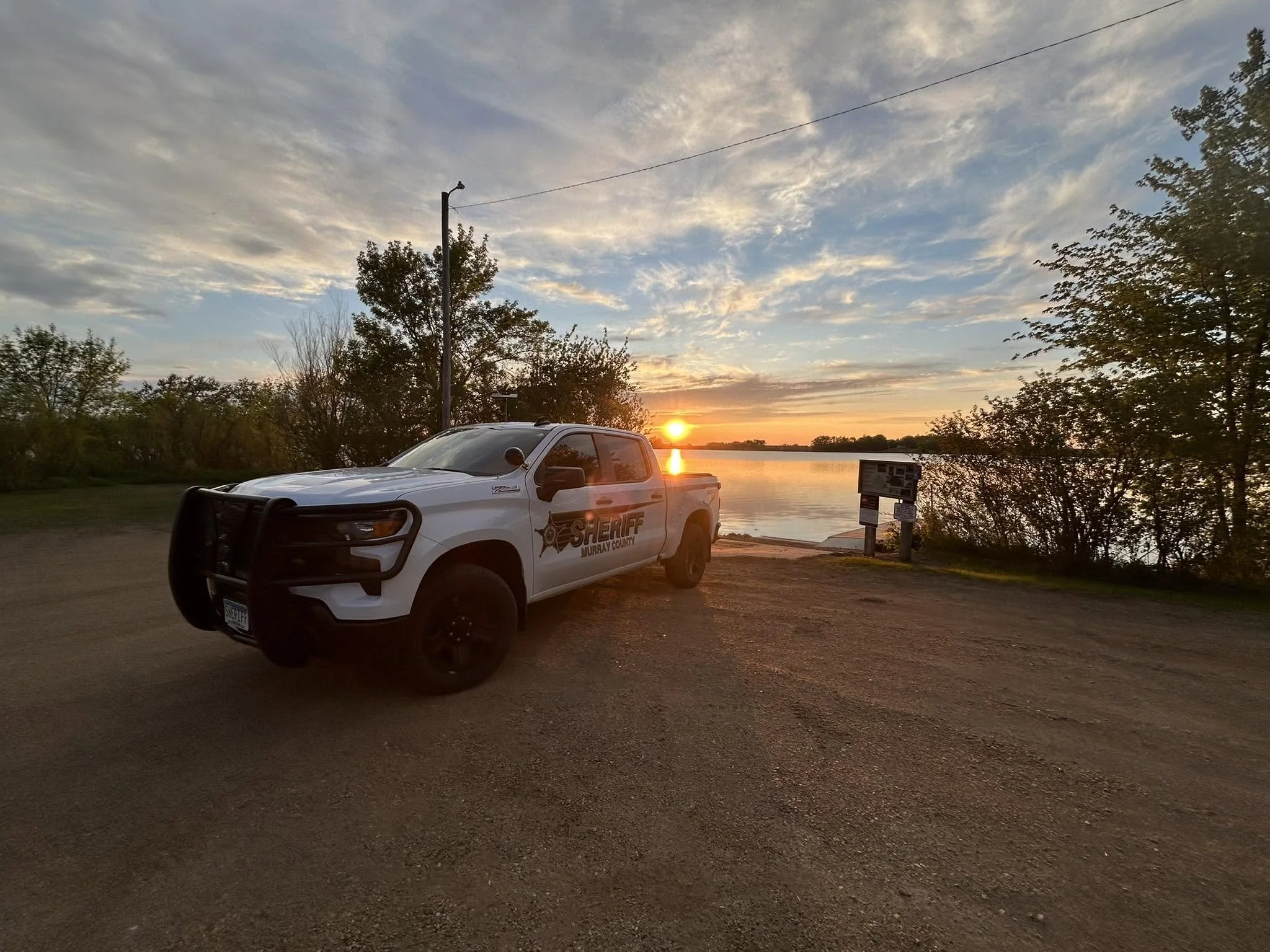
Murray County Criminal Defense Lawyer
A Strong Defense Begins With the Whole Story
If you have been arrested, charged, or contacted by a deputy or investigator in Murray County, you likely have plenty of questions and very little solid information to go on.
You may be wondering whether you have to answer questions, whether you will be held in custody, what will happen to your driver's license, or whether the evidence against you can be challenged. You may also be hearing advice from people who care about you but do not know the facts of your case.
“If you were sitting across from me, this is what I would tell you. Do not feel like you have to explain everything right away. Be careful about what you say, preserve anything that may relate to the case, and give yourself a chance to understand what law enforcement is alleging before you make decisions about what to do next ”
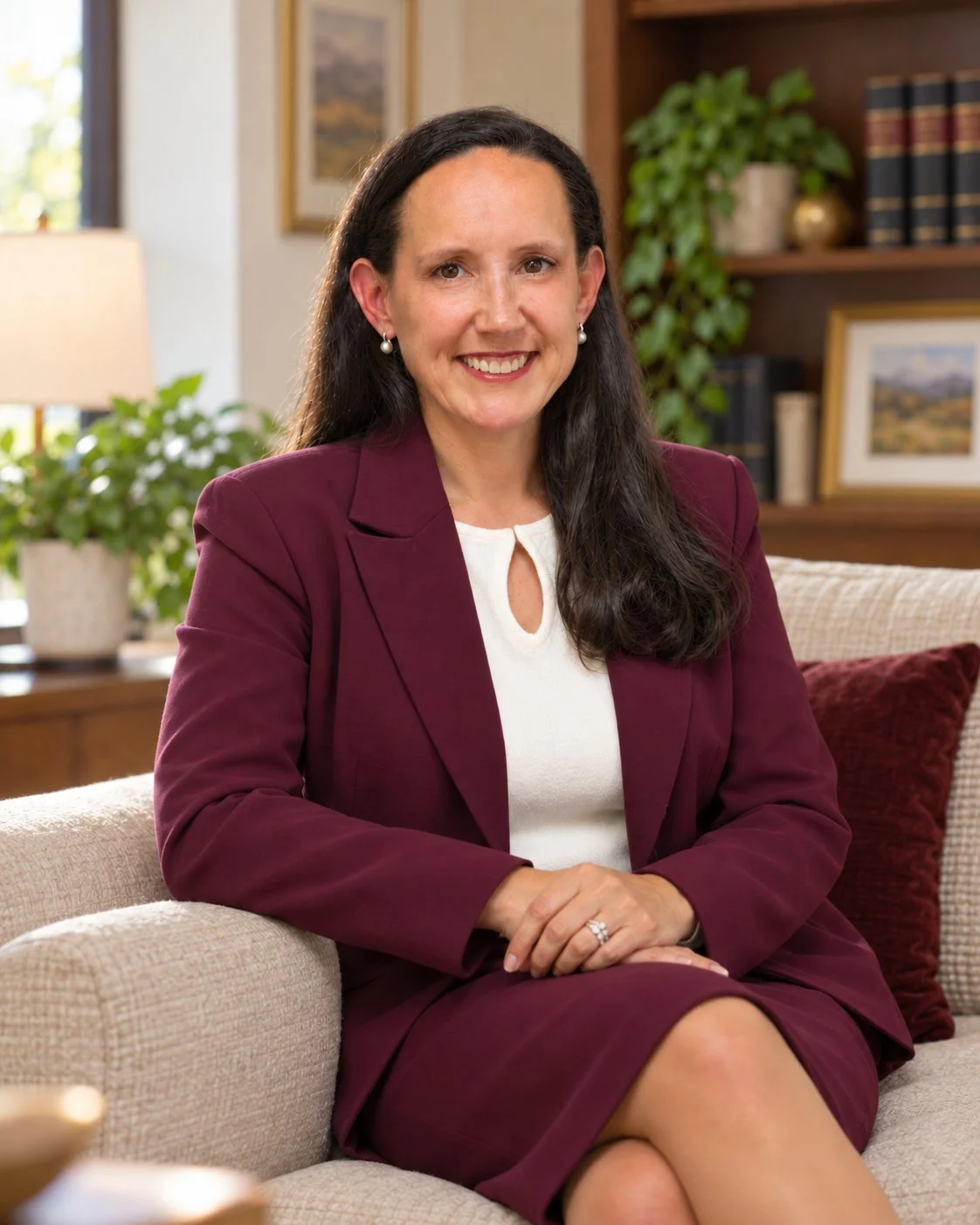
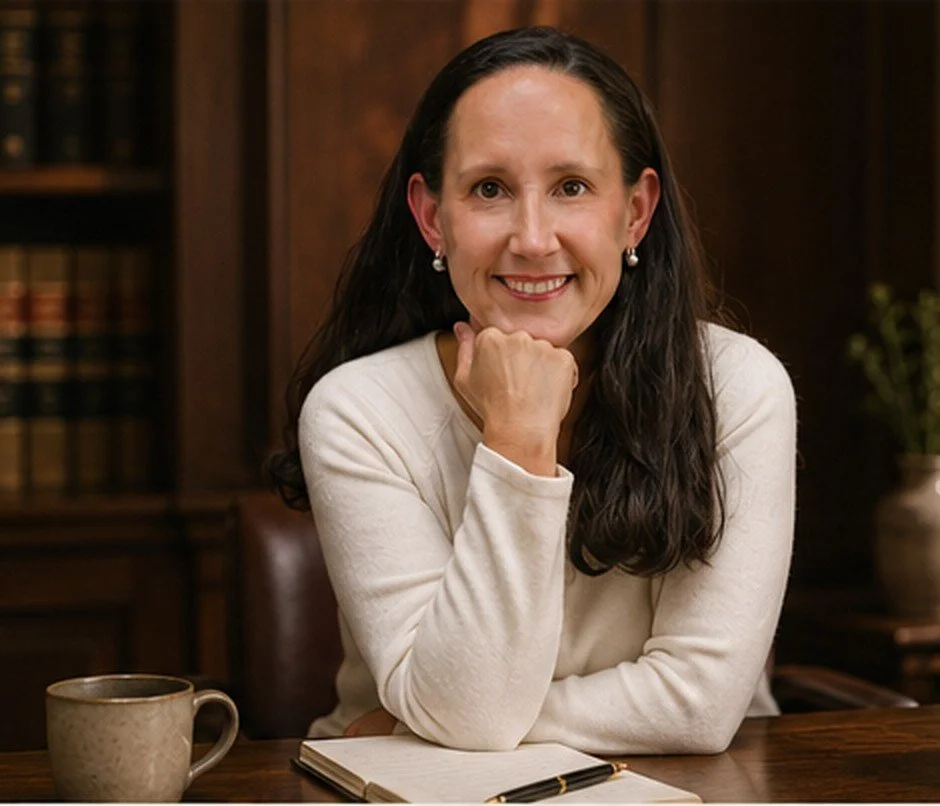
I am Virginia "Ginny" Barron. My office is in Westbrook, and I represent people facing criminal charges in Slayton, Fulda, Lake Wilson, Chandler, Currie, Iona, Avoca, and throughout Murray County.
I handle DWI cases, drug charges, serious felonies, felon in possession and prohibited person firearm cases, criminal sexual conduct allegations, theft charges, and cases involving DNA or other forensic evidence.
— Ginny Barron
What should I do after an arrest in Murray county?
The police report may not tell the whole story.
You may feel like you need to start explaining what happened right away. Be careful.
You likely have not seen the reports, the recordings, the witness statements, or the other evidence law enforcement is relying on yet.
Here is what I will tell you. Do not start trying to prove your innocence before you know what the case actually looks like. Good intentions can still take down a road you don’t want to be on. If law enforcement wants to question you, ask to speak with a lawyer first.
Do not delete text messages, social media posts, photos, location information, or other records. Information that seems unimportant now may become useful after the reports and evidence have been reviewed.
You should also avoid discussing the case on jail calls, in text messages, or on social media. A private conversation with your lawyer is different from a conversation with a friend or family member.
The sooner I become involved, the sooner I can begin identifying what evidence exists, what needs to be preserved, and which decisions actually need to be made.
Where Murray County Criminal Cases Begin
Murray County cases may be investigated by several different agencies.
The Murray County Sheriff's Office provides countywide law enforcement from the Murray County Courts Building in Slayton, and people it arrests may be held at the Lyon County Jail in Marshall. Slayton and Fulda each have a municipal police department. Murray County, Slayton, and Fulda participate in the Buffalo Ridge Drug and Violent Crime Task Force, which provides additional investigative resources for drug cases, violent crimes, and other serious or multi-agency investigations. Minnesota State Patrol District handles enforcement on state and federal highways.
The agency involved in your case matters.
Each investigation creates its own set of records. Depending on the case, that may include squad video, body camera footage, dispatch recordings, photographs, search warrant applications, property records, evidence logs, laboratory reports, interview recordings, and electronic data.
One of my first jobs is to figure out what was collected, what was not collected, and whether the available evidence supports the conclusions written in the police report.
Murray County Sheriff's Office Cases
The Sheriff's Office investigates cases throughout the county and may also step in when a city department asks for assistance.
Sheriff's Office cases can involve rural traffic stops, drug investigations, domestic incidents, theft, farm property, firearms, search warrants, lake-area calls, and calls in towns without police departments.
Because people arrested may be transported and held outside the county, booking records, transport records, jail calls, and the timing of events may all become important parts of the defense.
Fulda Police Department Cases
The Fulda Police Department investigates calls and criminal matters within Fulda. Those cases may involve traffic offenses, DWI, domestic incidents, theft, drug allegations, school-related matters, or other local calls. Fulda also participates in the Buffalo Ridge Drug and Violent Crime Task Force, so some investigations may involve officers or resources from more than one agency.
A municipal police department is subject to the same constitutional requirements as any other law-enforcement agency. The size of the department does not change the State's burden of proof.
Slayton Police Department Cases
The Slayton Police Department handles calls and investigations within Slayton. Slayton is the county seat and sits where U.S. Highway 59 meets Minnesota Highway 30, so officers deal with both local residents and drivers moving through the area.
A case that begins as a traffic stop may develop into a DWI investigation, a vehicle search, a drug charge, or a firearm allegation. The legal questions may include why the vehicle was stopped, what the officer observed, what the driver was asked to do, and whether any search was lawful.
Buffalo Ridge Drug and Violent Crime Task Force Investigations
The Buffalo Ridge Drug and Violent Crime Task Force provides regional investigative resources to its member agencies in Murray County and surrounding counties. Its work is not limited to narcotics cases. Depending on the investigation, task-force involvement may include drug offenses, serious violent crimes, complex property offenses, or other cases requiring additional investigative resources or coordination among agencies.
A task-force investigation may involve informants, controlled purchases, surveillance, search warrants, digital evidence, phone records, multiple law-enforcement agencies, or evidence gathered over an extended period. I examine how the investigation began, which officers and agencies were involved, what information was known at each stage, what was recorded, and whether the evidence supported each search, warrant, detention, or arrest.
Minnesota State Patrol Cases
Minnesota State Patrol District 2300 covers Murray County. Troopers handle DWI investigations, crashes, commercial vehicles, speeding stops, and traffic offenses on Highways 59, 30, and 62.
Highway stops deserve careful review. I look at the stated reason for the stop, the location of the squad vehicle, available video, road and weather conditions, the trooper's observations, and the sequence of events that led to an arrest or search.
Where Will My Murray County Case Be Heard?
Murray County Courthouse
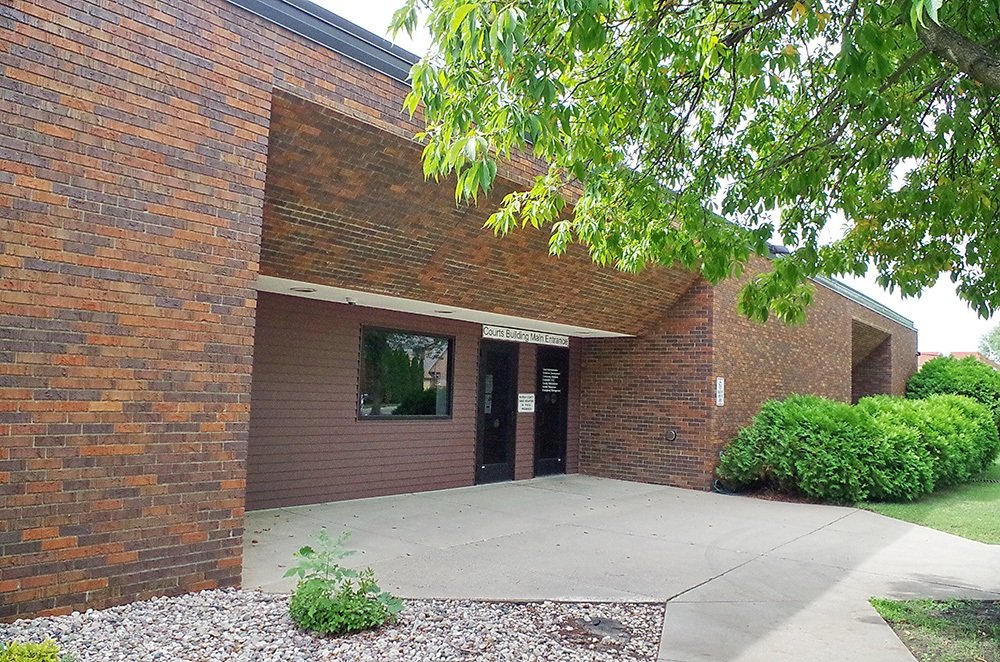
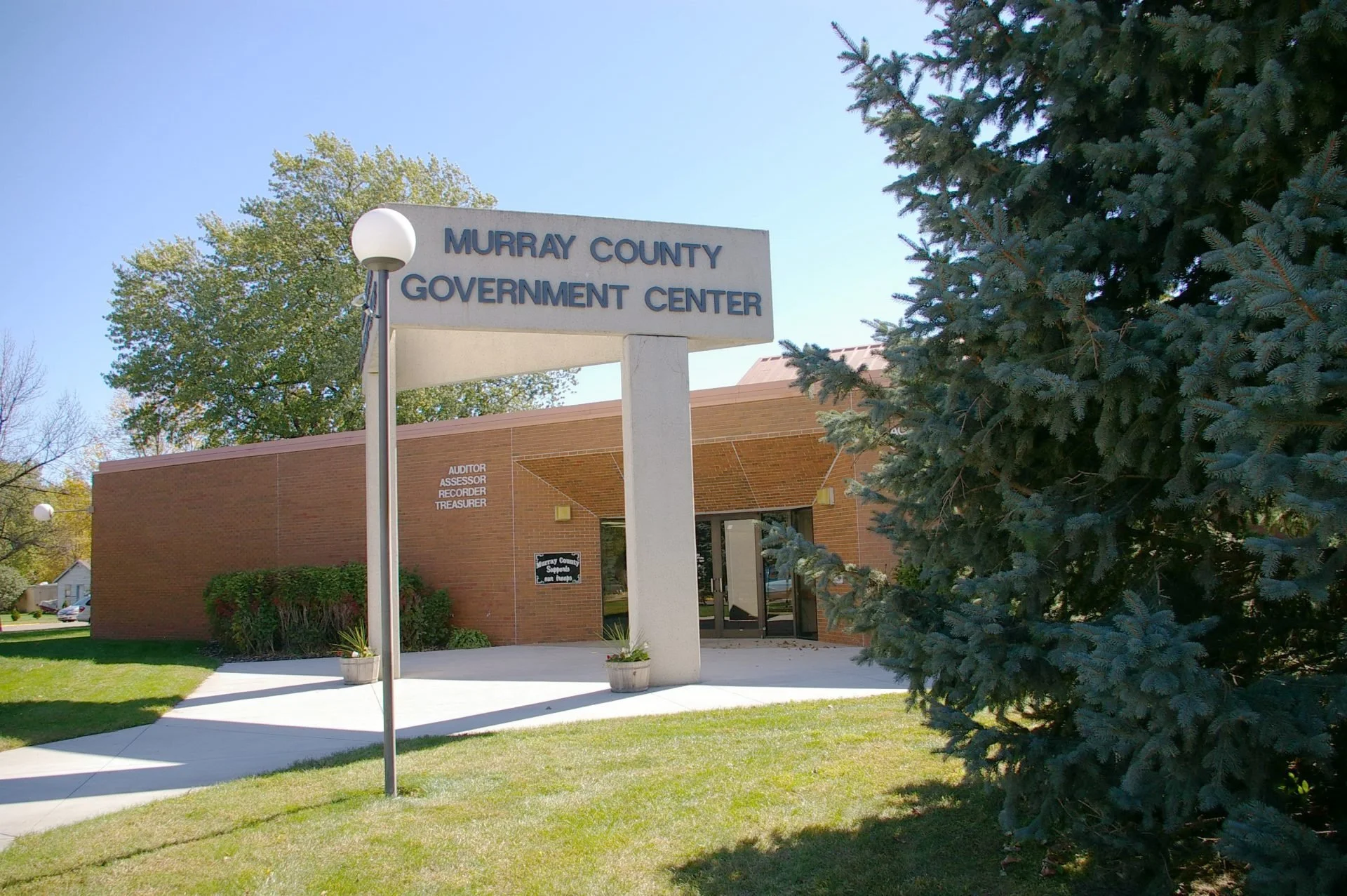
Criminal and traffic cases filed in Murray County are generally heard at the Murray County Courthouse in Slayton. The court is part of Minnesota's Fifth Judicial District and has jurisdiction over criminal, traffic, juvenile, family, probate, and civil matters filed in the county.
The courthouse is located at:
Murray County Courthouse
2500 28th Street
Slayton, Minnesota 56172
Depending on the charge and procedural history, the hearing may address conditions of release, the status of legal representation, future court dates, or other preliminary issues.
Before you go to court, you should understand what type of hearing has been scheduled and what decisions, if any, may be made that day.

DWI
A DWI case in Minnesota begins before a breath, blood, or urine test is obtained. Why the vehicle was stopped, whether the investigation was lawfully expanded, what the officer observed, and how standardized field sobriety tests and chemical testing were conducted can all matter to the defense.

Drug Possession or Sale
Drug charges in Minnesota often turn on how law enforcement found the drugs, whether there was a lawful search, and whether the State can connect them to the person accused. A substance found in a vehicle, home, or other shared space does not by itself answer who knew it was there or who possessed it. When sale is alleged, the evidence must also support the State’s claim that the conduct went beyond possession.
Felony Criminal Defense
Felony cases rarely turn on a single piece of evidence. The defense begins by testing the State’s theory against the entire record and separating what is alleged from what can actually be established.
Theft and Property Crime
Theft allegations in Minnesota often stem from misunderstandings, shared property, or disputed intent. Ownership, permission, intent, access, and the circumstances surrounding the property can all affect whether the State can establish a theft occurred.

Domestic Assault
Domestic assault cases can develop quickly from a highly charged event into a criminal allegation, sometimes before the surrounding context is clear. What was said and done before, during, and immediately after the incident can matter as much as the first account given to police.

Assault
Assault in Minnesota is not limited to physical contact. A charge can be based on an alleged intent to cause fear of immediate bodily harm or death, or on intentionally inflicting or attempting to inflict bodily harm. Intent, self-defense, the nature of any injury, and the circumstances of the encounter must all be examined in context.
Burglary
Being connected to a location does not, by itself, establish burglary. Important questions still need to be examined. Was entry without consent? What was intended or what occurred inside? Does the evidence actually connect the accused person to the charged conduct? These answers all contribute to a burglary defense in Minnesota.
Criminal Damage
Property damage does not automatically explain who caused it, whether it was intentional, or what the damage is actually worth. Those questions can be central to a criminal damage to property case in Minnesota, including whether the State can prove the offense and the level of charge alleged.
Criminal Sexual Conduct Defense
A criminal sexual conduct allegation in Minnesota must be examined in the context of the evidence surrounding it. Chronology, communications, the way statements were obtained, and medical, digital, or forensic evidence may support, contradict, or place the allegation in a different context.

Felon in Possession and Prohibited Person Firearm and Ammunition Charges
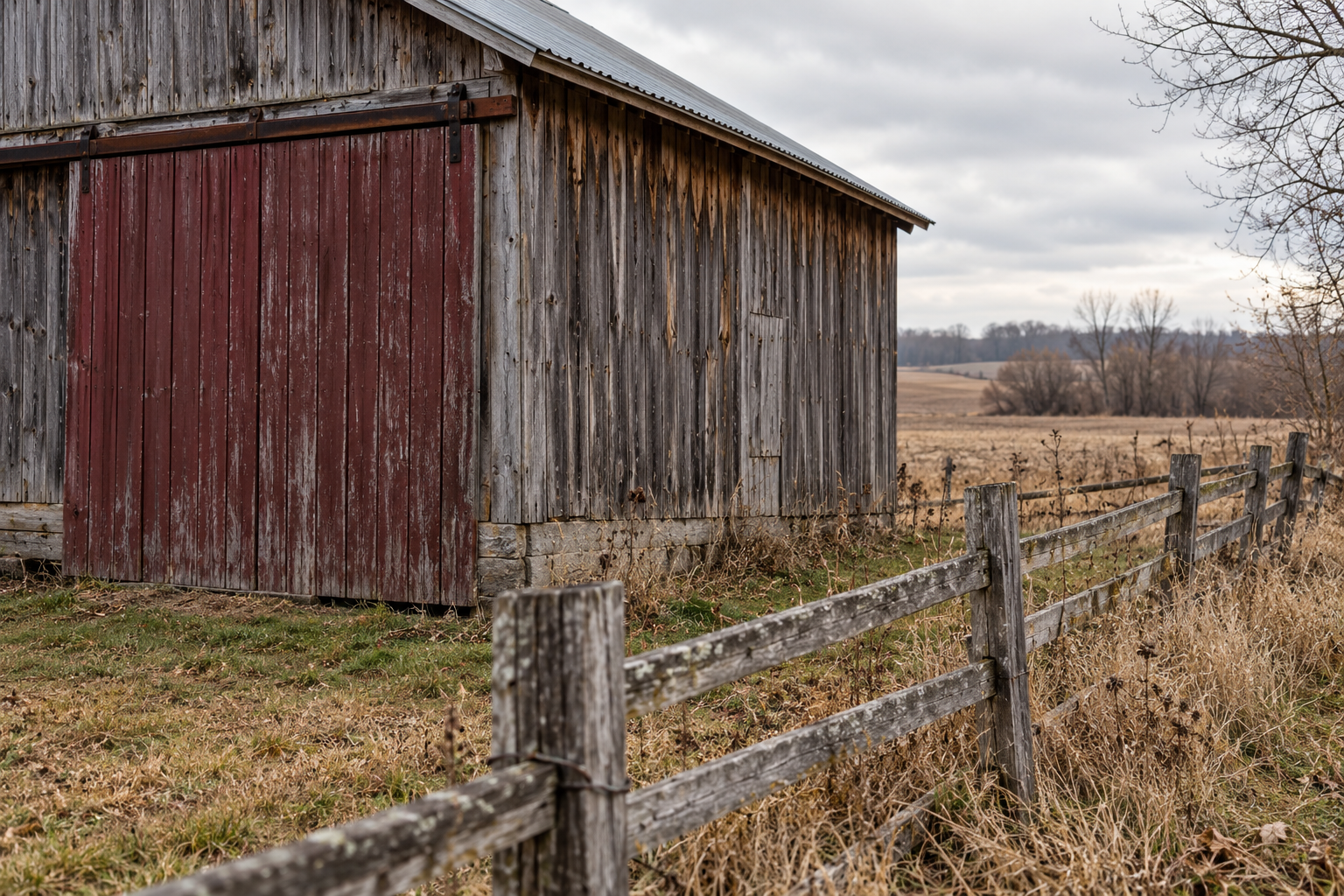
Simply being near a firearm—especially in shared vehicles, homes, or rural properties—does not by itself answer who possessed it or whether the person knew it was there. In shared spaces, access and control matter, and so does whether the alleged legal prohibition actually applied.
Fleeing A Police Officer
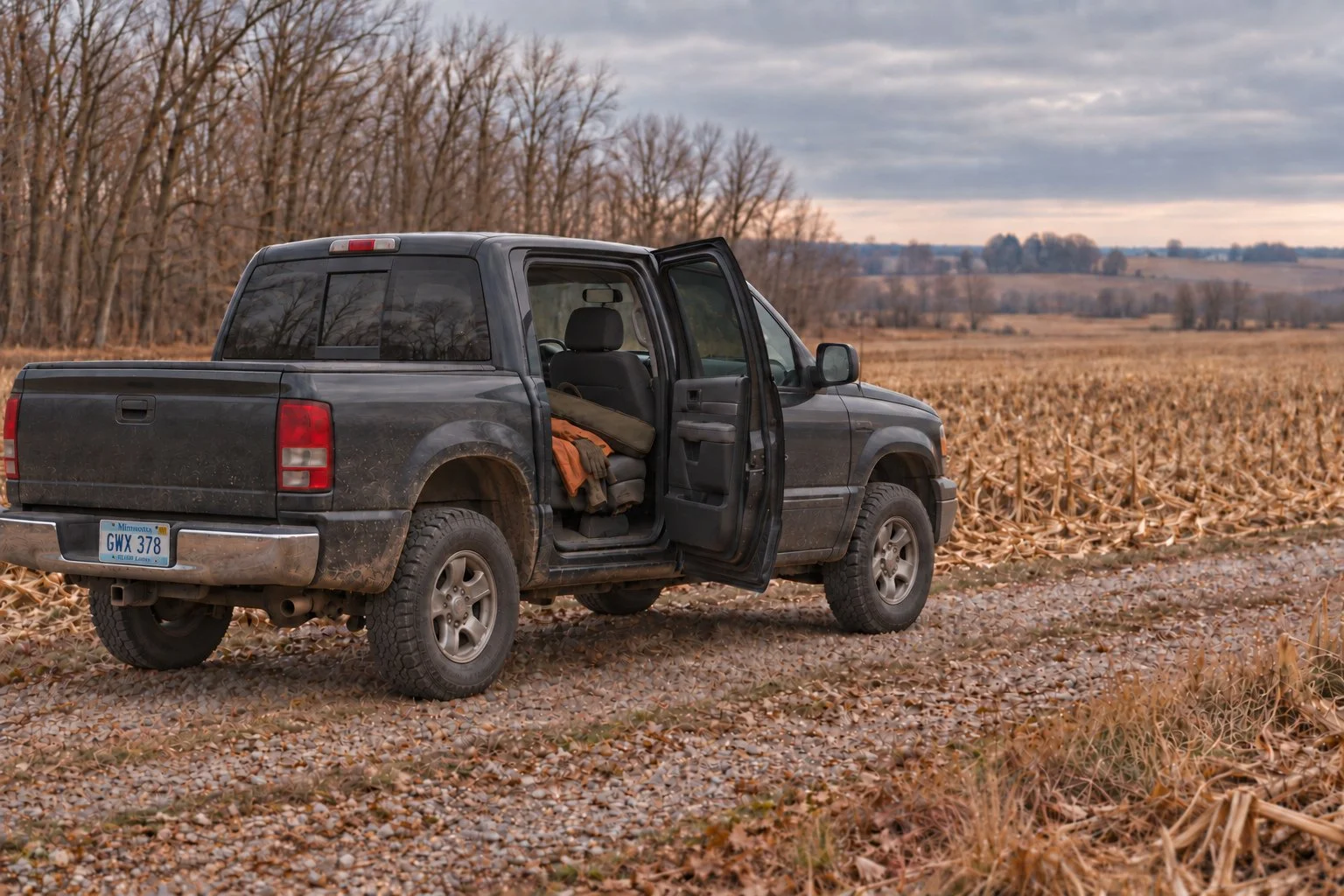
Not stopping immediately does not tell the whole story of a fleeing case. The clarity of the officer’s signal, what the driver could perceive, the sequence of events, and whether the conduct shows an intent to elude all matter all matter when determining whether the driver intentionally attempted to elude the officer.
DNA Evidence in Minnesota Criminal Cases
DNA evidence can be powerful, but human judgment can still play a role in its interpretation, making careful review important. Even a scientifically sound DNA result does not, by itself, establish when biological material was deposited, how it got there, or what happened. A DNA result may be scientifically sound and still be legally misleading when used to support a conclusion the science does not establish.

When DNA or Forensic Evidence Is Part of the Case
A reported association or "match" is only the start of the analysis. The evidence may contain a single-source profile, a mixture from several people, a partial profile, or a small amount of biological material. The result may raise questions about transfer, contamination, collection, storage, laboratory procedures, and statistical interpretation.
Murray County does not operate its own forensic laboratory. Evidence requiring DNA analysis, drug identification, or other specialized testing may be sent to the Minnesota Bureau of Criminal Apprehension or another outside laboratory.
That creates records beyond the final laboratory report.
I seek the underlying laboratory materials and review the electropherograms, STRmix inputs/outputs and Interpretation reports. I review quality control documents, and review the procedures followed against the labs standard operating procedures so I can understand how the analyst reached the reported conclusion.
For ways DNA frequently gets challenged read my guide to challenging DNA evidence in court. →
How I Evaluate a Criminal Case
I begin by listening.
I want to know what happened from your perspective, what you remember, what worries you most, and what information may exist outside the police report.
I then review the prosecution's evidence and build a working timeline. I compare reports with recordings, photographs, laboratory materials, electronic evidence, and witness statements.
From there, I look for the questions that will shape the defense:
Was the stop lawful?
Was there a valid reason for the search?
Was a statement voluntary and accurately recorded?
Can the prosecution prove possession?
Does the video support the written report?
Was the evidence properly collected and preserved?
Are the witness accounts consistent?
Does the forensic evidence actually prove what the prosecution says it proves?
What information is missing?
A defense should be built on the actual evidence, not slogans or promises.
I will explain what I see, what concerns me, what options are available, and what your options are for your next steps. You may not always hear the answer you hoped for, but you will receive an honest assessment.
Why Clients Trust Barron Law Office
Small Town Knowledge, Big City Fight
I grew up in North Minneapolis and later made southwestern Minnesota my home. I know this part of the state, but I did not leave the fight behind when I came here. I will help you assess the case, understand your options, and give you the information to decide what is right for you.
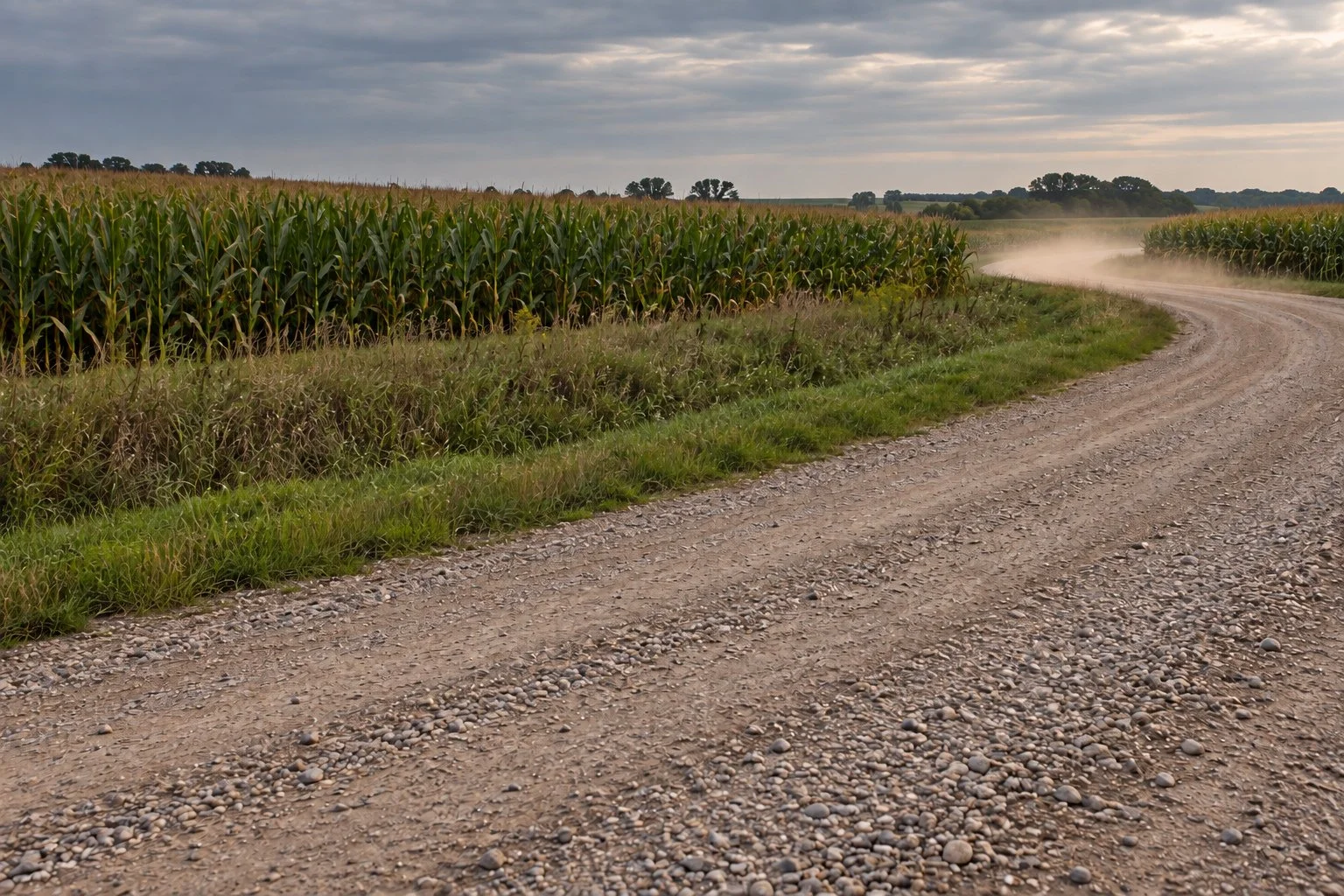
A case may involve a stop on Highway 59, 30, or 62. It may arise on a gravel road during planting or harvest, or near Lake Shetek in the summer. It may involve a search in Slayton, an arrest in Fulda, a call in Lake Wilson, or an investigation in a town without its own police department.
I want to know how officers became involved, what they were told, what they saw for themselves, what they did next, and what evidence was actually collected.
I also look for what is missing. Sometimes there is no recording of an important conversation. Sometimes a photograph was never taken, a witness was never followed up with, or something was never tested.
That can change how the case looks once you get beyond the police report.
Serving Slayton, Fulda, Lake Wilson, and Murray County
My office is located in Westbrook, and I represent clients throughout Murray County, including:
• Slayton
• Fulda
• Lake Wilson
• Chandler
• Currie
• Iona
• Avoca
• Rural farming communities countywide
You do not need to wait until your first court appearance to contact me. I can speak with you after an arrest, while charges are pending, or when you have learned that law enforcement wants to interview you.
Frequently Asked Questions About Jackson County Criminal Cases
-
No. Always consult a criminal defense attorney before speaking with law enforcement. Innocent individuals frequently make misstatements or omit details when stressed, which prosecutors later use to build a case.
-
Yes. Retaining an attorney early allows us to manage police communications, prevent risky interrogations, preserve perishable evidence, and monitor whether charges will formally be filed.
-
Most criminal cases filed in Murray County are heard at the Murray County District Court at 2500 28th Street in Slayton. The court is part of Minnesota's Fifth Judicial District.
-
Cases may be investigated by the Murray County Sheriff's Office, Slayton Police Department, Fulda Police Department, Minnesota State Patrol, or another assisting agency. Murray County, Slayton, and Fulda also participate in the Buffalo Ridge Drug and Violent Crime Task Force, which may provide additional investigative resources in drug cases, violent crimes, and other serious or multi-agency investigations. The Minnesota Bureau of Criminal Apprehension may also assist with major investigations or forensic testing.
-
Yes, provided facts support a constitutional challenge. Officers must possess reasonable, articulable suspicion to execute a stop. Dashcams, dispatch audio, and road conditions often reveal legal defects.
-
This charge alleges that an individual possessed firearms or ammunition while disqualified under state or federal law. Defenses center on legal status, actual control, knowledge, and illegal searches.
-
Yes. DNA analysis can be challenged on sample collection errors, lab contamination, complex mixtures, low-copy profiles, improper testing procedures, and incorrect statistical conclusions.
-
No. DNA testing indicates potential biological association, but it cannot prove when material was deposited, how it transferred, or whether criminal conduct took place.
-
Bring citations, police reports, release papers, court summonses, search warrants, or property receipts. Preserve related text messages, photos, videos, and contact details for potential witnesses.
-
Immediately. Reaching out early preserves crucial defense evidence, protects your constitutional rights, safeguards driver's license deadlines, and allows adequate time to construct a proactive defense.
More Information From Barron Law Office
Read answers to common criminal defense and forensic law questions.
Learn more about my practice philosophy.
Contact a Murray County Criminal Defense Lawyer
Call me, let’s talk.
A criminal charge can make it hard to think much beyond the next court date.
You may not know what evidence exists or what happens next. You may also be worried about jail, your job, your family, immigration consequences, or whether the case could affect your ability to remain in the community.
Call me and we can talk through the charge, what happens next, and the options available in your situation.
This page provides general information and is not legal advice. Every criminal case depends on its own facts, evidence, and procedural history.
Practice Scope
My criminal defense practice does not include speeding or minor traffic infractions, probation violation representation, appellate or postconviction work, separate driver's license revocation proceedings, commercial driver's license (CDL) matters, or civil harassment restraining orders (HROs) or orders for protection (OFPs). I do handle the criminal DWI case itself.