
Criminal Cases in Ruthton, Minnesota
Criminal Defense in the City of Ruthton
Ruthton, Minnesota
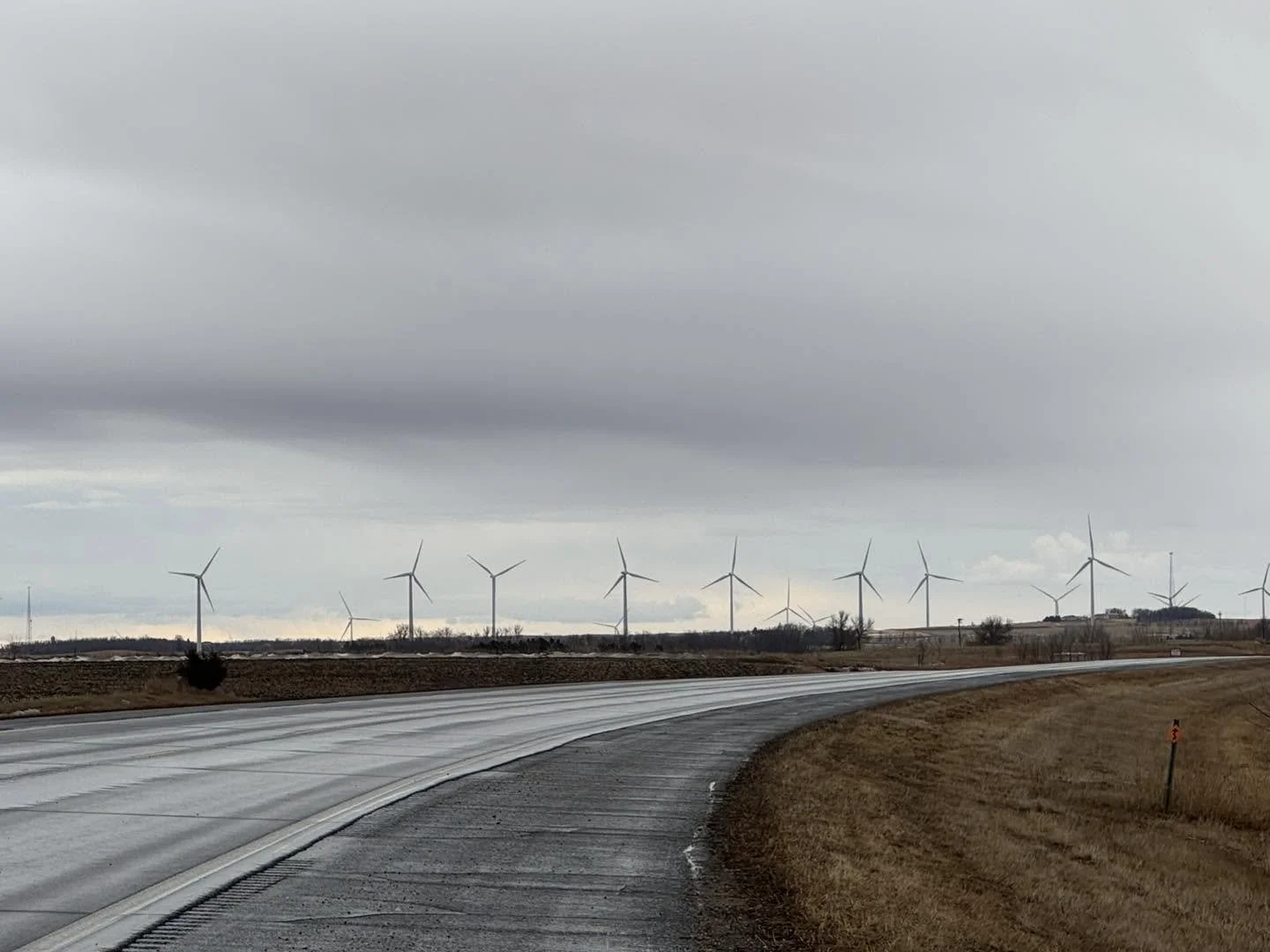
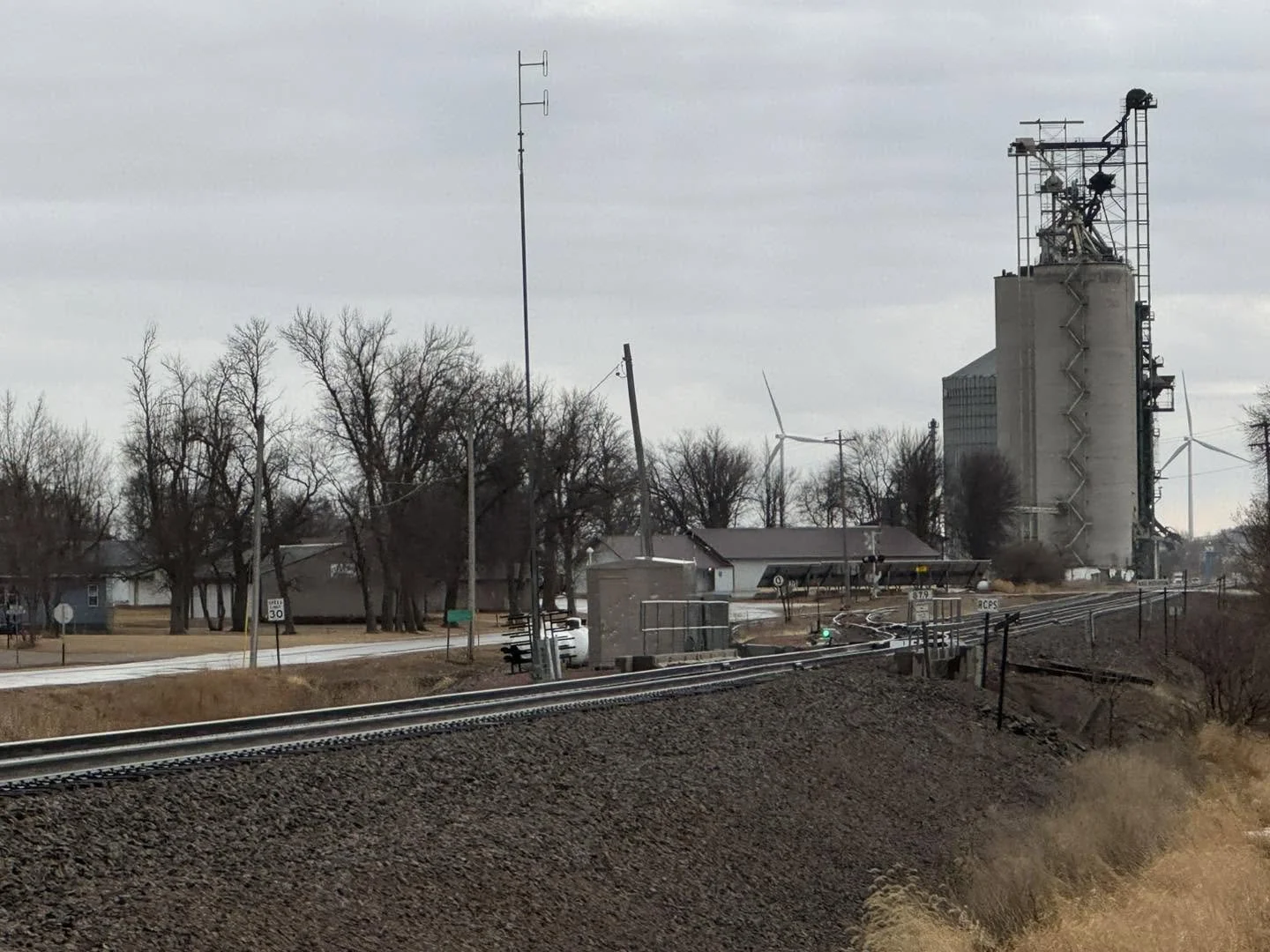
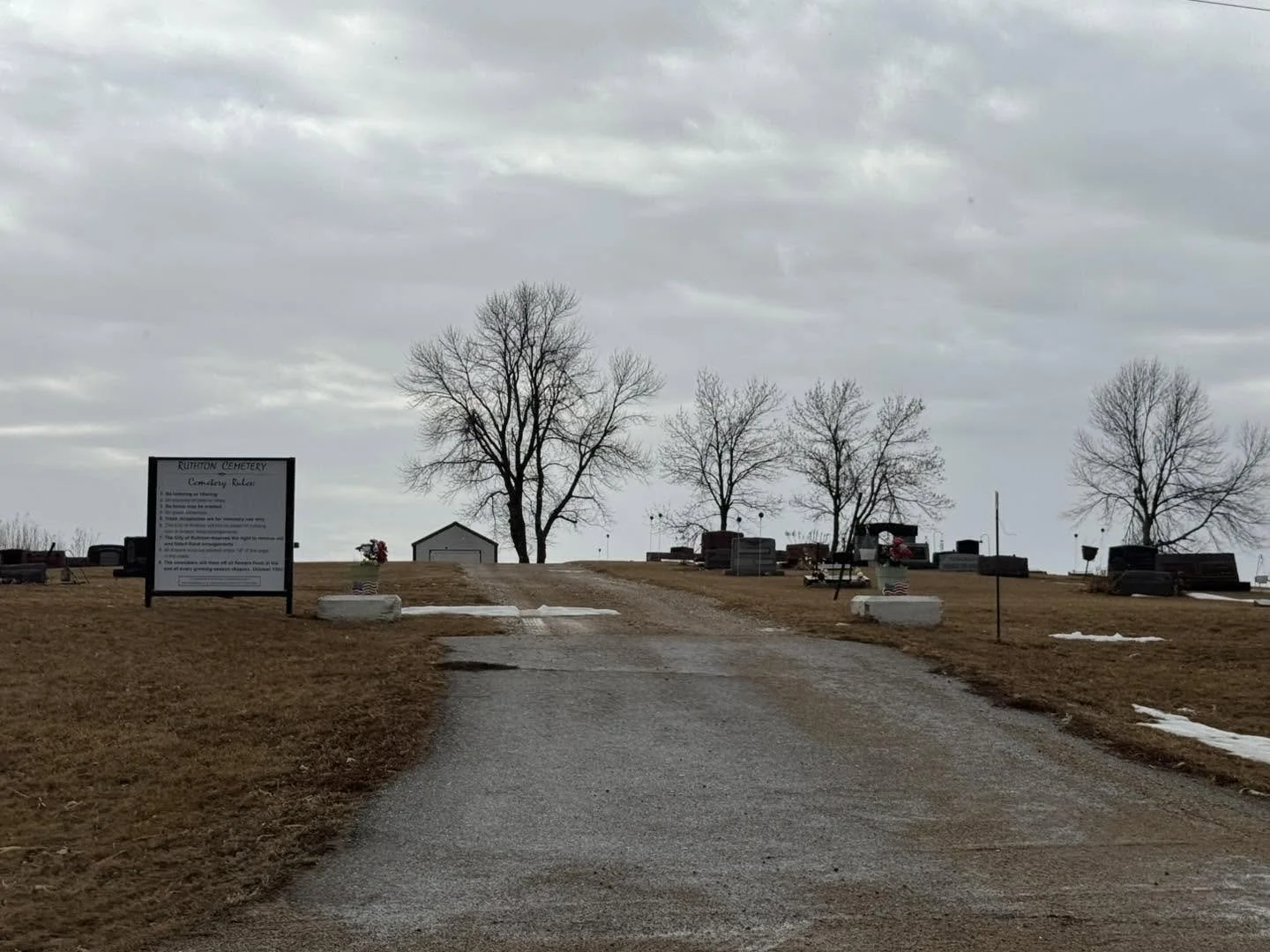
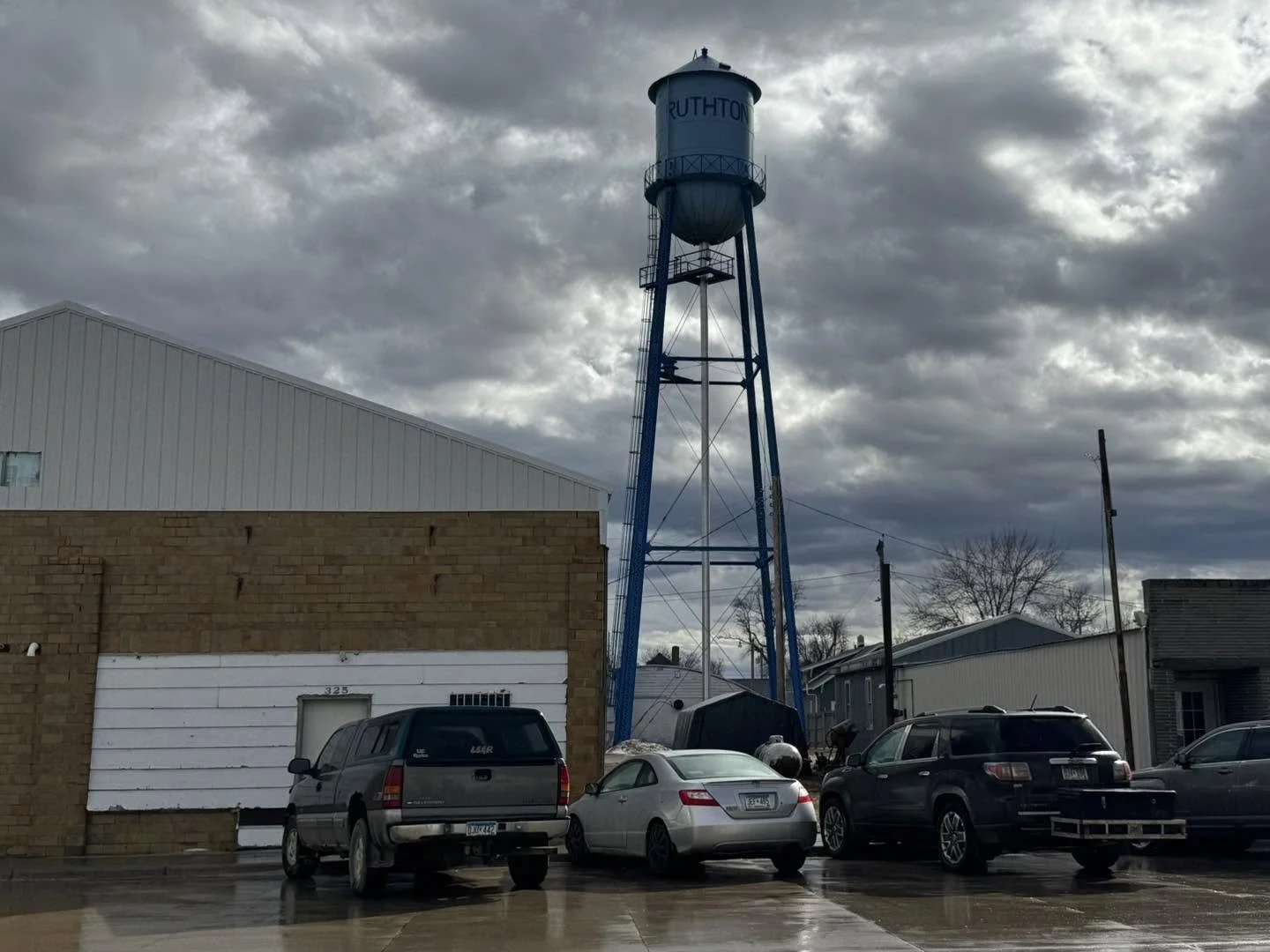
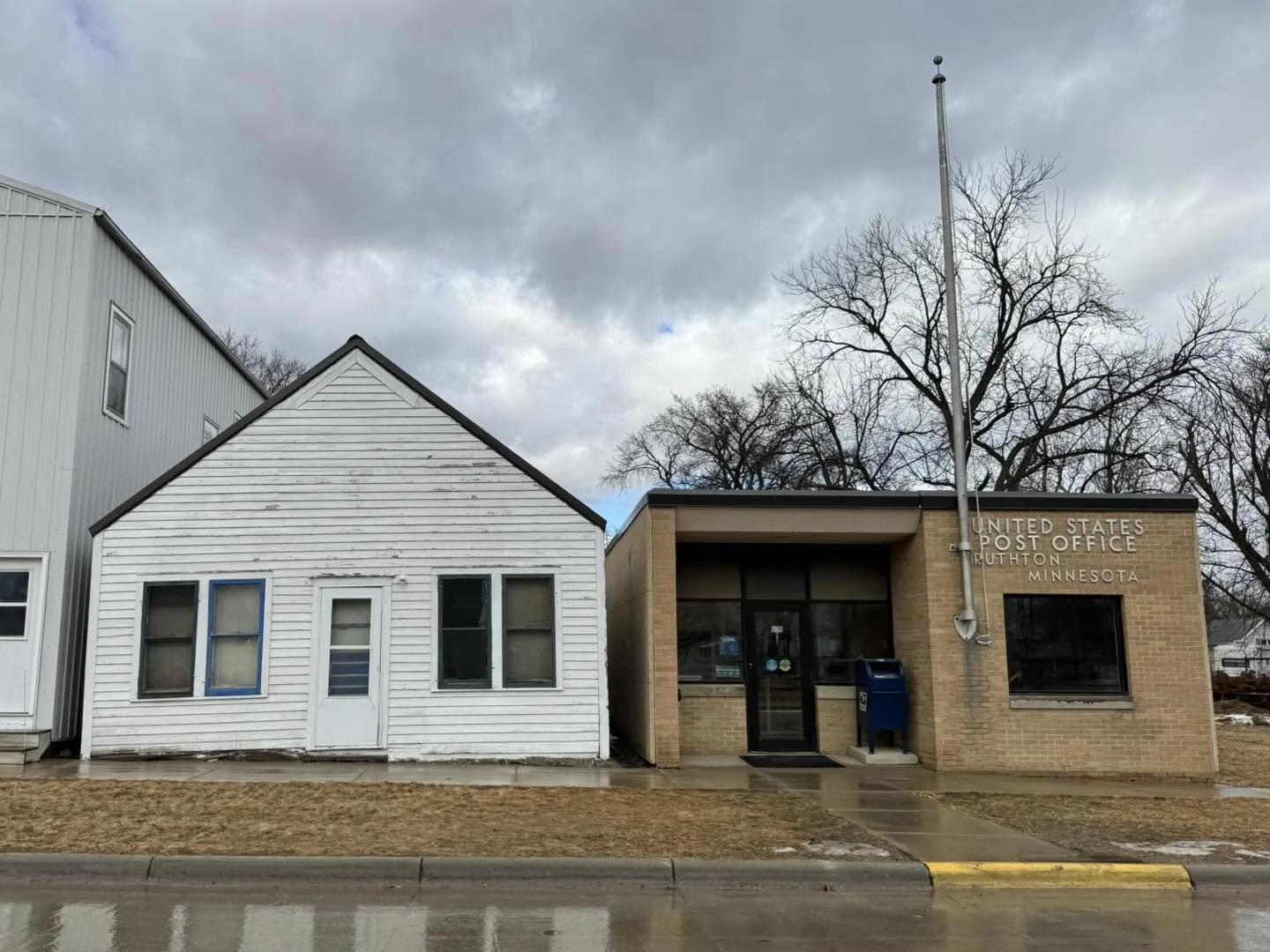
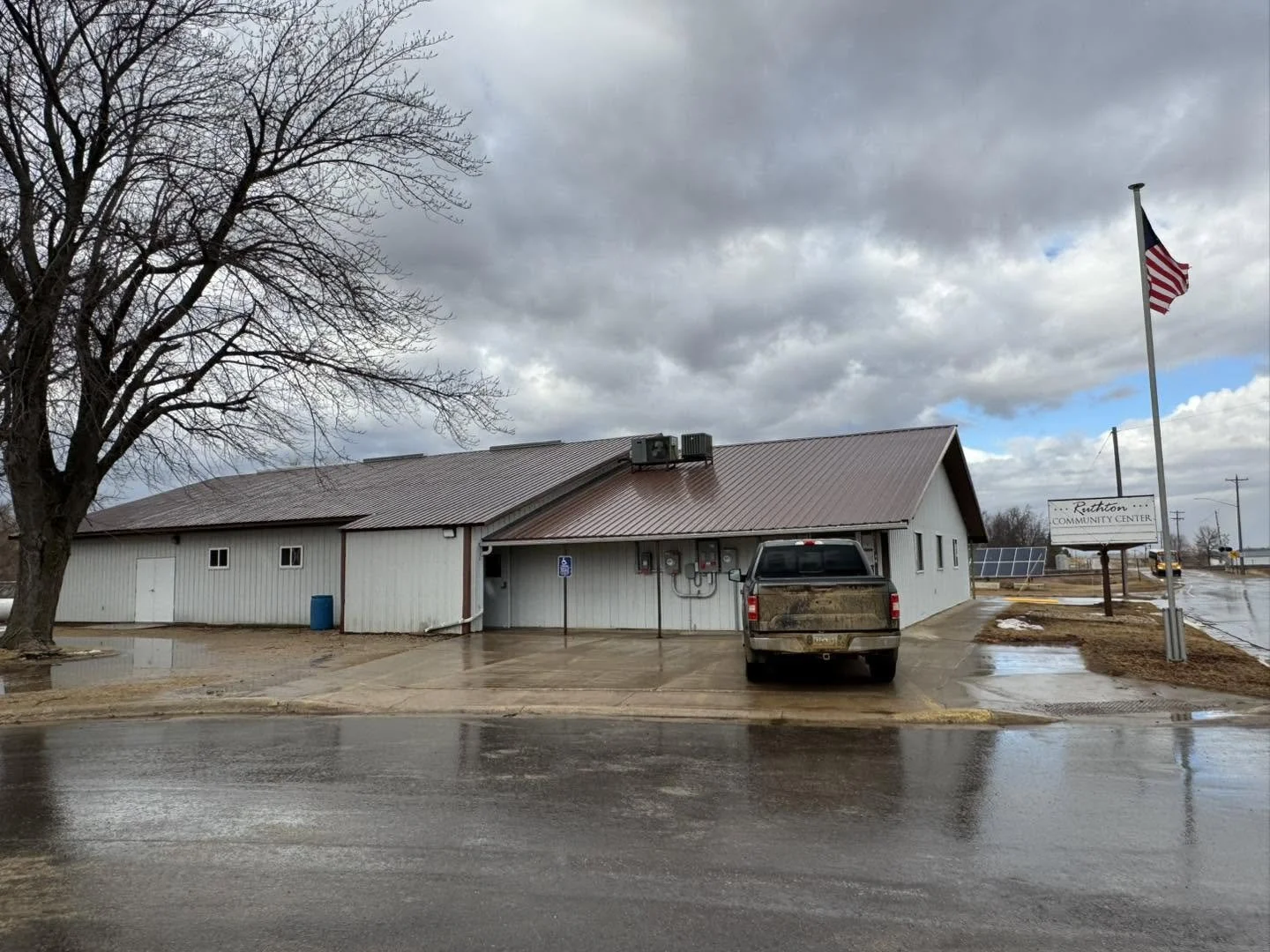
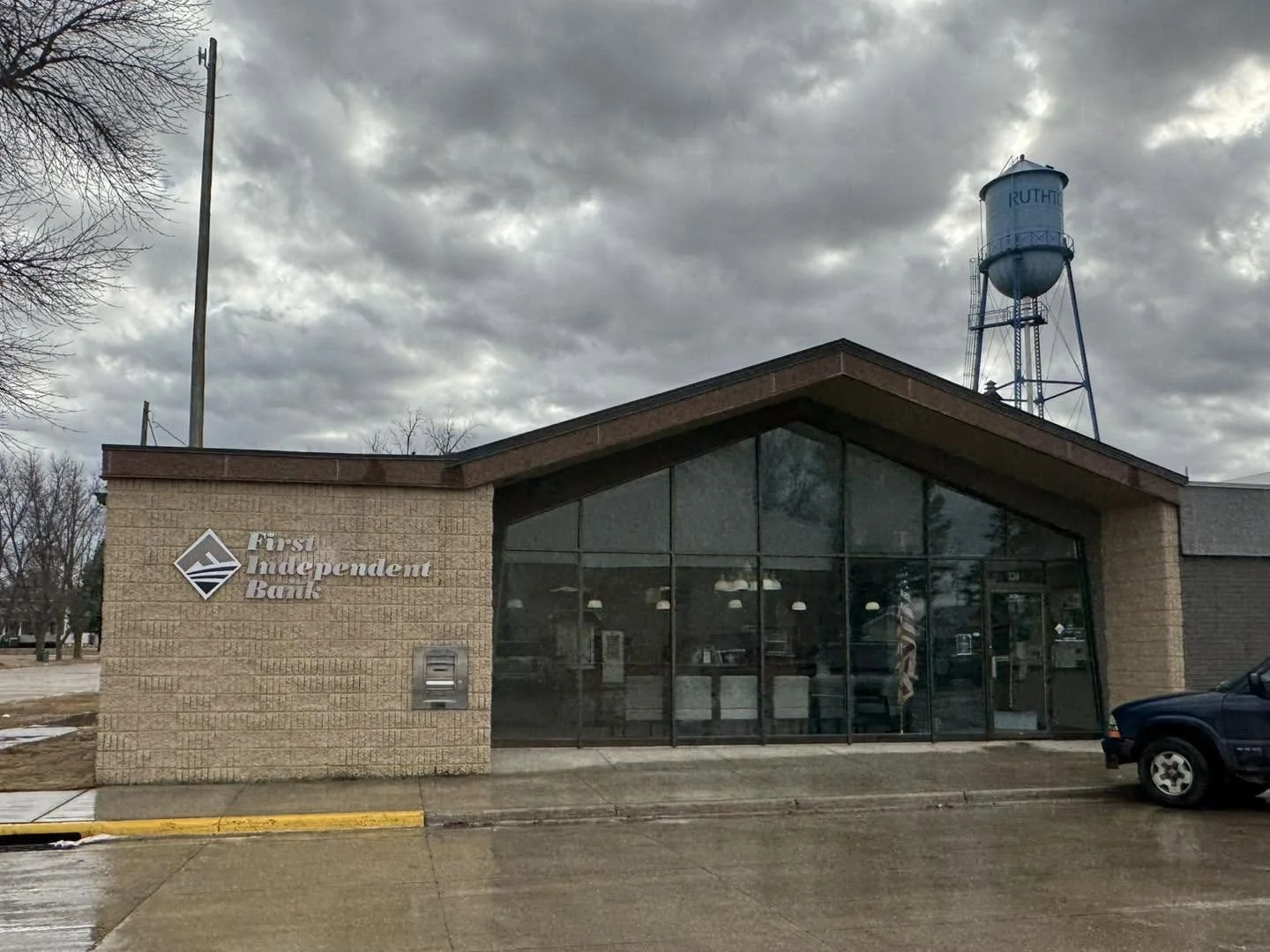
Ruthton is a small town of about 225 people in northern Pipestone County, near the Lincoln County line, with Minnesota Highway 23 as its main route. The turbines of the Cowell Wind Project stand in the fields nearby, and the Redwood River begins close to town. Ruthton has no police department of its own and contracts with the Pipestone County Sheriff’s Office.
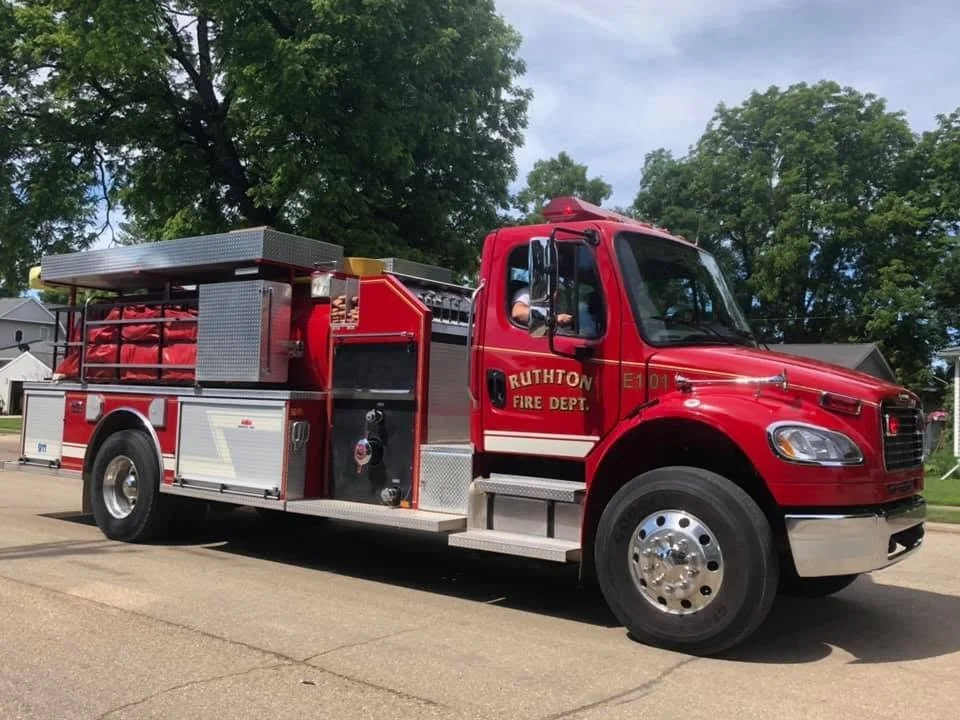
When something happens in Ruthton, the investigating agency may be the Pipestone County Sheriff’s Office, Minnesota State Patrol, the MN BCA, or the Buffalo Ridge Drug and Violent Crime Task Force. The Pipestone County Attorney’s Office in Pipestone handles the prosecution.
Ruthton’s Fourth of July celebration brings a parade and Cruize-In car show to town each summer, but one of the more interesting things about Ruthton is that the Redwood River begins nearby. Here, it starts small. By the time it has traveled across southern Minnesota, it is something much larger. Criminal cases can grow that way too. One statement becomes a police report. Someone else adds what they think happened. The report gets repeated in a charging document, and pretty soon the version on paper can look much more settled than the evidence really is.
I like to go back to where it started—what was actually said, what someone really saw, and what the evidence can prove before all the layers got added.
Arrested in Ruthton? What Happens Next?
The Pipestone County Sheriff’s Office operates the county jail. That means anyone arrested in Ruthton is normally taken to the Pipestone County Jail in Pipestone and held until a Judge sees them. If you are in Ruthton waiting for news, the jail in Pipestone is the place to call.
For the current list of people in custody, click here.
The first time you see a Judge, you will learn what bail is and which conditions of release apply. If you are not sure if your loved one is in custody, the roster above will tell you whether they are in custody.
Being arrested does not automatically mean you will stay in jail until you see a Judge. Some people are released and given a date to come back to court. At the first appearance, you can apply for a public defender, or a private attorney can file a certificate of representation and appear with you.
At that first hearing, the Judge deals with bail and any release conditions that will apply while the case is pending. Depending on the case, those conditions can affect who you can have contact with, where you can go, and what you may be required to do while the case is open.
If a Loved One Has Been Arrested and is in Jail, What You Need To Know:
What Not To Do
DO NOT TALK ABOUT THE CASE ON THE PHONE. Assume the State may eventually hear the call. Your loved one does not need to tell you what happened from the jail, and you do not need to ask. Use the call to make sure they are okay and take care of practical things at home.
KNOW ALL COMMUNICATION THROUGH THE JAIL IS MONITORED. The same caution applies to video visits and mail. Changing the way the message is delivered does not make the conversation confidential.
DO NOT CONTACT THE ALLEGED VICTIM FOR THEM. Do not try to smooth things over. Do not ask what they are going to say. Do not suggest that they change their mind about the case. And do not pass along something your loved one wants them to hear.
DO NOT POST ABOUT THE CASE. Nothing good comes from trying the case on Facebook, Snapchat, Instagram, or anywhere else. Keep the people, facts, rumors, and allegations offline.
What To Do Now
PRESERVE PHYSICAL EVIDENCE. Look around now for things that may disappear later. Business video may be overwritten. Texts can be deleted. Bruises change. Property gets fixed. Save and photograph what exists before it is gone.
WRITE DOWN WHAT HAPPENED WHILE IT IS FRESH. Do not worry about making it sound polished. Write down what you remember: times, places, people, conversations, and the sequence of events.
GET NAMES AND PHONE NUMBERS. A first name is not always enough six months from now. Get phone numbers and enough information that we can actually locate the person later.
GET ME THE INFORMATION I NEED FOR BAIL. Where does your loved one live? How long have they lived there? Where do they work? Who depends on them? Have they consistently returned to court in the past? Those are the kinds of facts I may need when the judge is deciding release.
Charged in Ruthton? What Happens When You Call Me?
“You do not need to have everything figured out before you call me. In fact, I expect that you will not. You do not need to know the right questions to ask, and you do not need to convince me that you deserve help. You can start just by telling me what happened and what you are worried about most.
I will be honest with you about what I see, what concerns me, what we do not know yet, and what options you have. Making that first call does not commit you to anything. Sometimes the hardest part is simply picking up the phone. We can start there.
”
Who Handles a Ruthton Criminal Case?
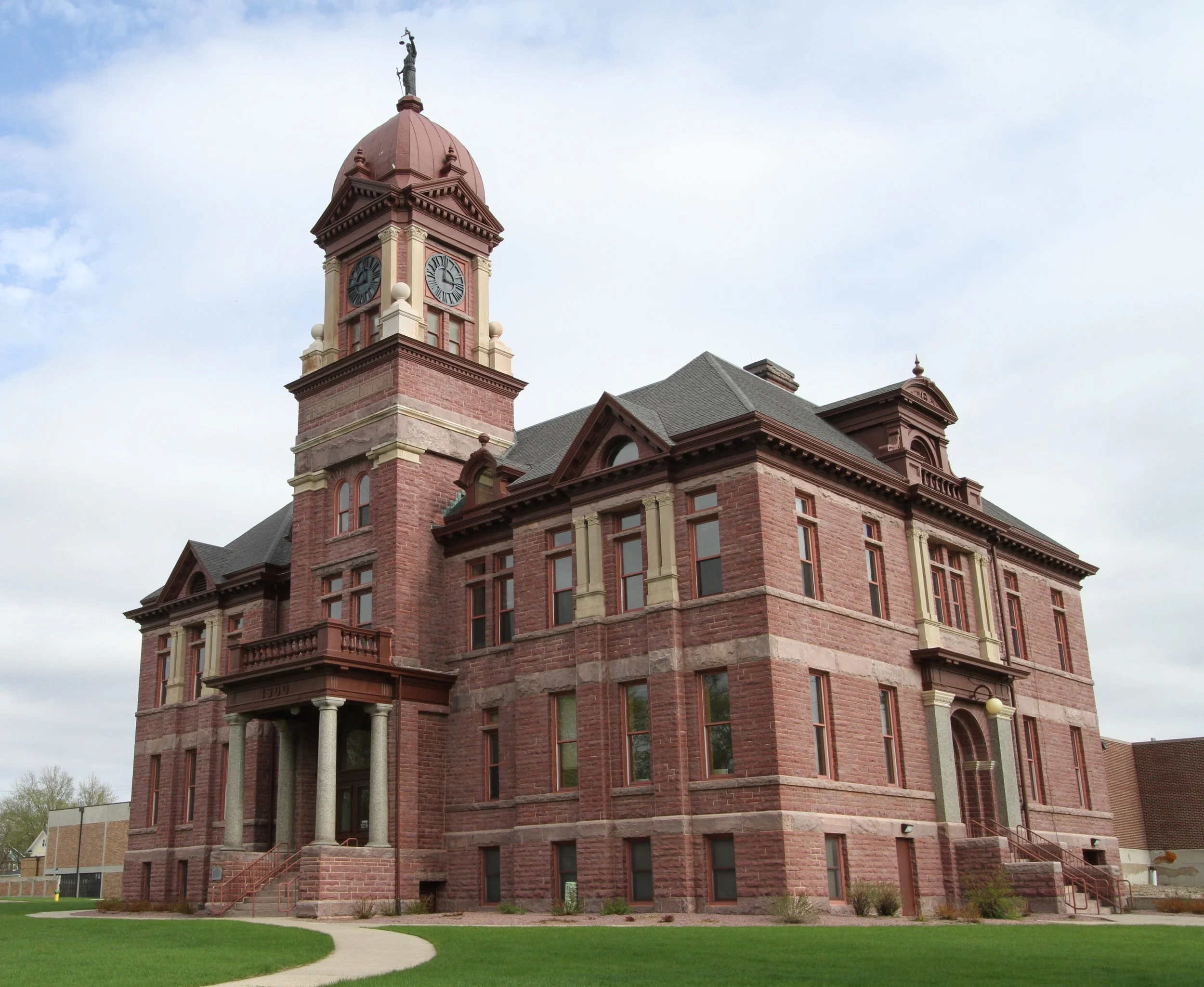
If you are charged in Ruthton, your case will be in Pipestone County District Court:
Pipsetone County District Court
416 South Hiawatha Avenue
Pipestone, MN 56164
This court sits in Minnesota’s Fifth Judicial District. The Pipestone County Attorney’s Office prosecutes cases from Ruthton. Some hearings happen at the courthouse and others take place remotely. Always follow your hearing notice or court order on how to appear. People from Ruthton with in-person hearings will need to get to the courthouse in Pipestone, so plan the drive and allow extra time in winter.
Depending on the facts, the investigation may involve the Pipestone County Sheriff’s Office, Minnesota State Patrol, the Minnesota Bureau of Criminal Apprehension, or the Buffalo Ridge Drug and Violent Crime Task Force.
Cases I Handle
DWI
A DWI case in Minnesota begins before a breath, blood, or urine test is obtained. Why the vehicle was stopped, whether the investigation was lawfully expanded, what the officer observed, and how standardized field sobriety tests and chemical testing were conducted can all matter to the defense.

Drug Possession or Sale
Drug charges in Minnesota often turn on how law enforcement found the drugs, whether there was a lawful search, and whether the State can connect them to the person accused. A substance found in a vehicle, home, or other shared space does not by itself answer who knew it was there or who possessed it. When sale is alleged, the evidence must also support the State’s claim that the conduct went beyond possession.

Felony Criminal Defense
Felony cases rarely turn on a single piece of evidence. The defense begins by testing the State’s theory against the entire record and separating what is alleged from what can actually be established.
Theft and Property Crime
Theft allegations in Minnesota often stem from misunderstandings, shared property, or disputed intent. Ownership, permission, intent, access, and the circumstances surrounding the property can all affect whether the State can establish a theft occurred.
Domestic Assault
Domestic assault cases can develop quickly from a highly charged event into a criminal allegation, sometimes before the surrounding context is clear. What was said and done before, during, and immediately after the incident can matter as much as the first account given to police.

Assault
Assault in Minnesota is not limited to physical contact. A charge can be based on an alleged intent to cause fear of immediate bodily harm or death, or on intentionally inflicting or attempting to inflict bodily harm. Intent, self-defense, the nature of any injury, and the circumstances of the encounter must all be examined in context.
Burglary
Being connected to a location does not, by itself, establish burglary. Important questions still need to be examined. Was entry without consent? What was intended or what occurred inside? Does the evidence actually connect the accused person to the charged conduct? These answers all contribute to a burglary defense in Minnesota.
Criminal Damage to Property
Property damage does not automatically explain who caused it, whether it was intentional, or what the damage is actually worth. Those questions can be central to a criminal damage to property case in Minnesota, including whether the State can prove the offense and the level of charge alleged.
Criminal Sexual Conduct Defense
A criminal sexual conduct allegation in Minnesota must be examined in the context of the evidence surrounding it. Chronology, communications, the way statements were obtained, and medical, digital, or forensic evidence may support, contradict, or place the allegation in a different context.

Felon in Possession and Prohibited Person Firearm and Ammunition Charges
Simply being near a firearm—especially in shared vehicles, homes, or rural properties—does not by itself answer who possessed it or whether the person knew it was there. In shared spaces, access and control matter, and so does whether the alleged legal prohibition actually applied.
Fleeing A Police Officer
Not stopping immediately does not tell the whole story of a fleeing case. The clarity of the officer’s signal, what the driver could perceive, the sequence of events, and whether the conduct shows an intent to elude all matter all matter when determining whether the driver intentionally attempted to elude the officer.
DNA Evidence in Minnesota Criminal Cases
DNA evidence can be powerful, but human judgment can still play a role in its interpretation, making careful review important. Even a scientifically sound DNA result does not, by itself, establish when biological material was deposited, how it got there, or what happened. A DNA result may be scientifically sound and still be legally misleading when used to support a conclusion the science does not establish.
If your Ruthton Case Involves DNA
DNA evidence is not created in a vacuum. People decide what to collect, what to swab, how much of an item to sample, how to package it, and what gets sent to the laboratory. Those choices can affect what DNA is recovered before an analyst ever begins testing.
Biological evidence from Ruthton is generally tested at the BCA laboratory in St. Paul. Once it gets there, people make more decisions. Analysts decide how to interpret peaks, how many contributors may be present, what is treated as stutter or possible dropout, and whether a result is suitable for statistical analysis.
That does not mean the science is unreliable. It means human judgment is part of the process. Collection choices, labeling, handling, contamination controls, interpretation decisions, and even the propositions used in a likelihood ratio can all matter when deciding what a DNA result actually means.
The final report usually does not show you those decisions. They are found in the photographs, notes, electropherograms, quantitation records, worksheets, procedures, and software output behind the conclusion.
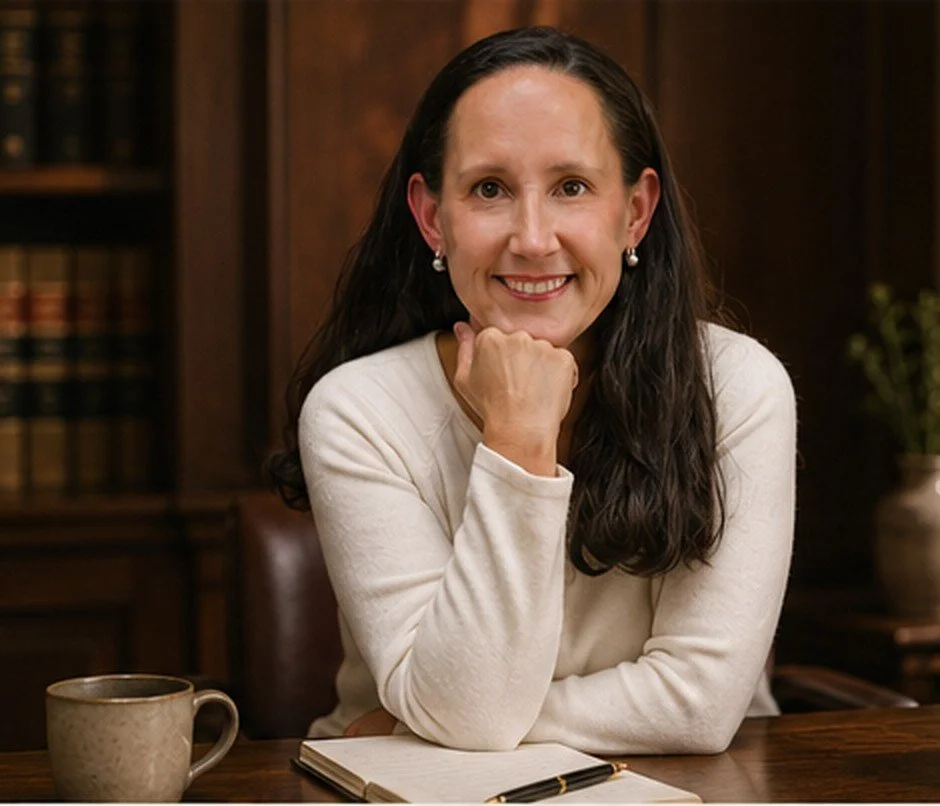
Reviewing that material is a major part of my practice. Attorneys and families across Minnesota ask me to look closely at how DNA was collected, tested, and interpreted in their cases. I am a Fellow of the American Academy of Forensic Sciences, a past Chair of its Jurisprudence Section, have completed STRmix training, and train defense attorneys statewide on DNA evidence. Call me with your questions
Common Questions About Ruthton Criminal Cases
-
One who handles criminal cases in Pipestone County District Court will. That, not the office address, is what matters. I practice from Westbrook and handle criminal cases throughout southwestern Minnesota, including Pipestone County. Most of my clients live somewhere other than where my office is.
-
No. You do not have to agree to an interview just because an officer wants to talk. There are times when giving a statement may make sense, but that is a decision to make after you have talked with a lawyer. Your lawyer can find out why police want to speak with you, what the investigation is about, and whether they view you as a witness or a suspect. Until then, be polite, say you want to speak with an attorney, and do not answer questions.
-
Yes. Legal advice is available before any charges are filed, and that is often when it helps most, while police are still investigating, while evidence can still be saved, and before you are asked to give a statement or consent to a search. I can also be the point of contact with investigators.
-
Sometimes. Pipestone County holds certain hearings remotely, while others must be attended in person. Your hearing notice says which kind each hearing is. Keep every notice you receive and check the date and format carefully.
-
At the first court appearance, the judge will make sure you know what you have been charged with, advise you of your rights, address representation, and take up bail and conditions of release.
Here is the important part about bail: the prosecutor does not simply get to name a number and have that become your bail. The judge has to make an independent decision about whether bail is necessary and whether other conditions could reasonably address the concerns in the case.
The court can consider the allegation and the weight of the evidence, but it also looks at practical things about your life. Do you have a job? Where do you live? How long have you been there? Do you have family here? Have you consistently appeared for court in the past? What does your criminal history look like? Are there legitimate concerns about anyone’s safety?
Those facts give the judge a much fuller picture than the complaint or citation.
-
In Pipestone County. A case is generally handled where the alleged offense occurred, not where you live. Many of the hearings can be handled without you traveling back each time, but not all of them.
-
DNA collected by an officer in Ruthton does not get tested at the local sheriff’s office. The evidence is packaged, documented, and sent to the BCA forensic laboratory system. For cases from this part of Minnesota, that has generally meant the BCA laboratory in St. Paul.
Then there can be a wait. Forensic DNA testing takes time, and turnaround can range from weeks to months depending on the evidence, the testing needed, and the caseload at the laboratory.
When the work is complete, the prosecutor receives a report summarizing the BCA’s findings. I receive that report through discovery. If DNA is important to the case, that is where my review starts—not where it ends.
I request the complete underlying laboratory materials. I want the testing records, notes, data, and other information that allows me to evaluate whether the conclusion in the report is actually supported by the work that was done.
Contact a Ruthton Criminal Defense Lawyer
Call me, let’s talk.
A criminal charge can make it difficult to think beyond the next court date. You may not know what evidence exists, what the prosecutor will do, or how the case could affect your family, job, license, or freedom.
You do not have to figure it out alone.
I will listen to what happened, review the situation with you, and explain what I believe should happen next.
This page provides general information and is not legal advice. Every criminal case depends on its own facts, evidence, and procedural history.
Practice Scope
My criminal defense practice does not include speeding or minor traffic infractions, probation violation representation, appellate or postconviction work, separate driver's license revocation proceedings, commercial driver's license (CDL) matters, or civil harassment restraining orders (HROs) or orders for protection (OFPs). I do handle the criminal DWI case itself.