
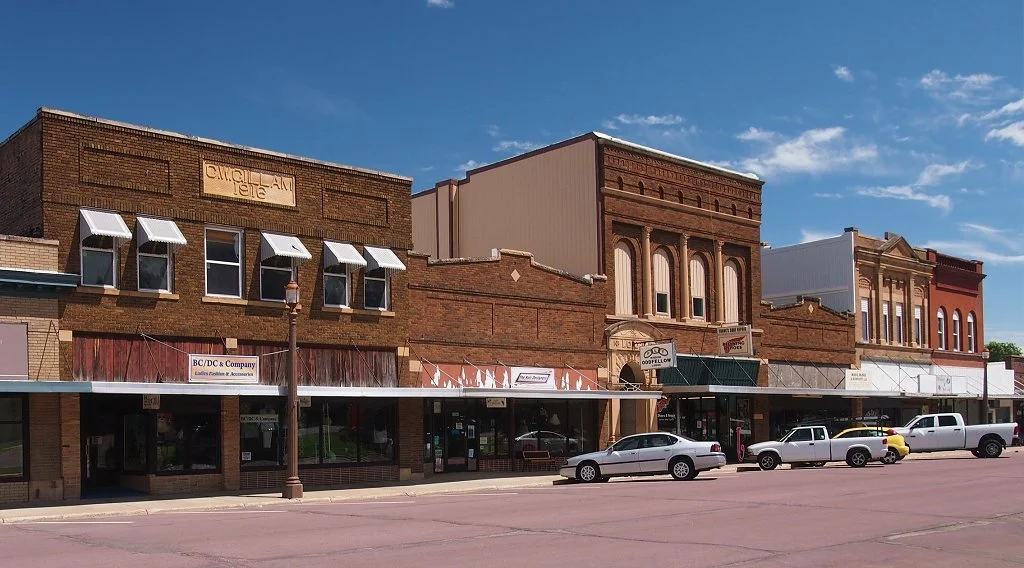
Criminal Cases in Windom, Minnesota
Criminal Defense in Windom
Windom, Minnesota
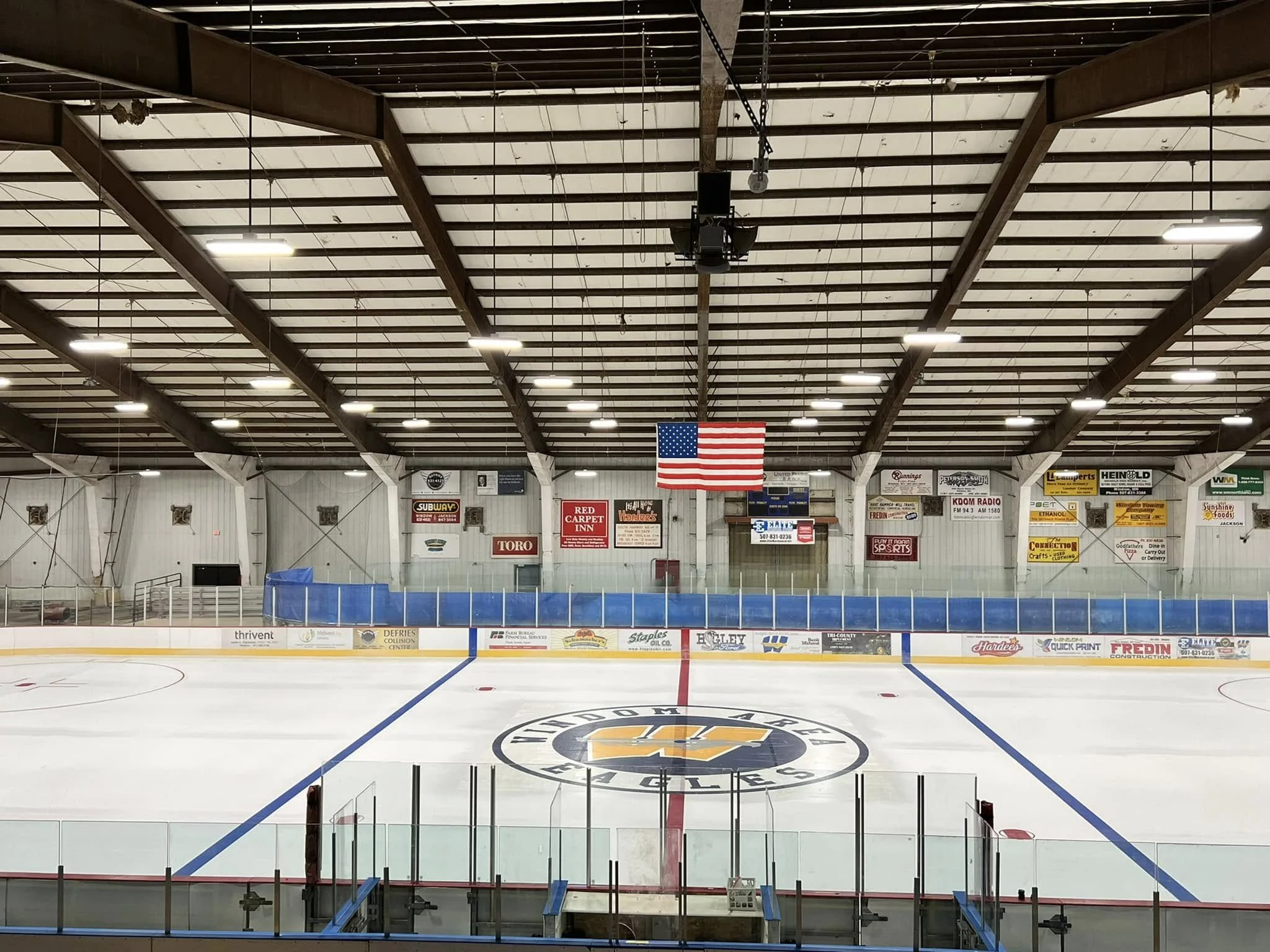
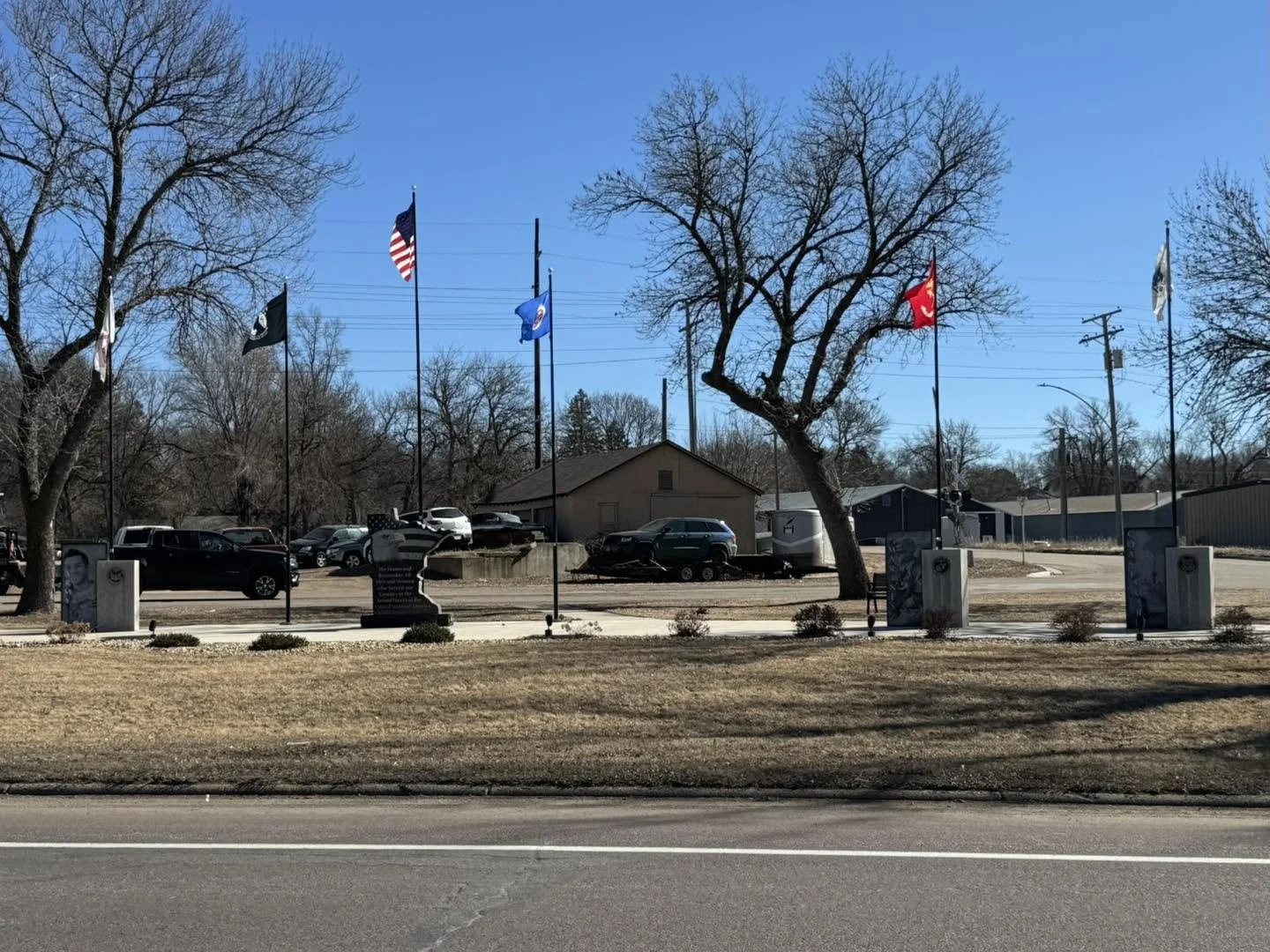
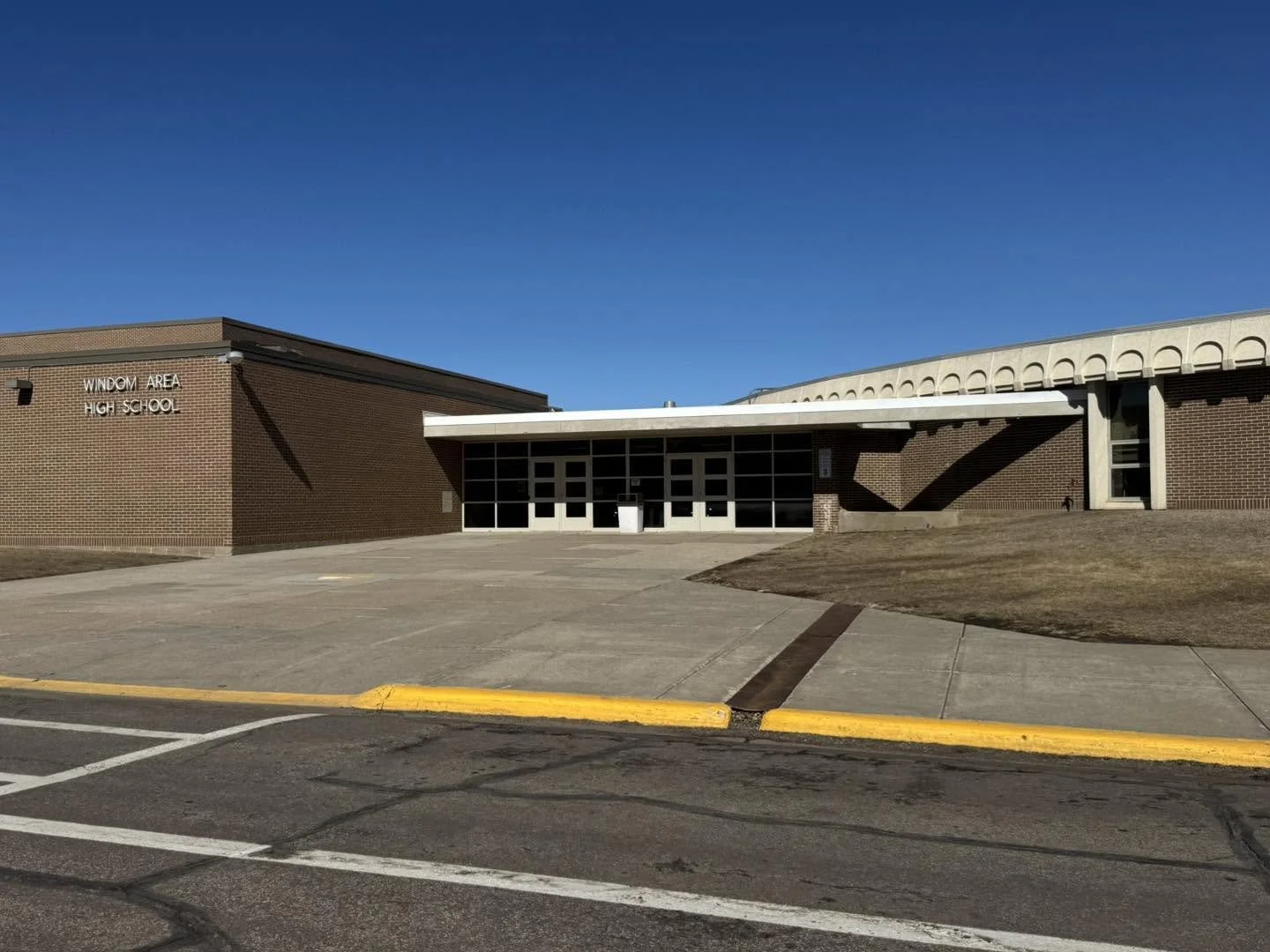
Windom is the county seat of Cottonwood County, a city of about 4,600 people on the Des Moines River where U.S. Highway 71 meets Minnesota Highways 60 and 62. It is home to the courthouse, the Law Enforcement Center, Windom Area Schools and a solid manufacturing base. Windom has its own police department, with dispatch provided by the Cottonwood County Sheriff’s Office.
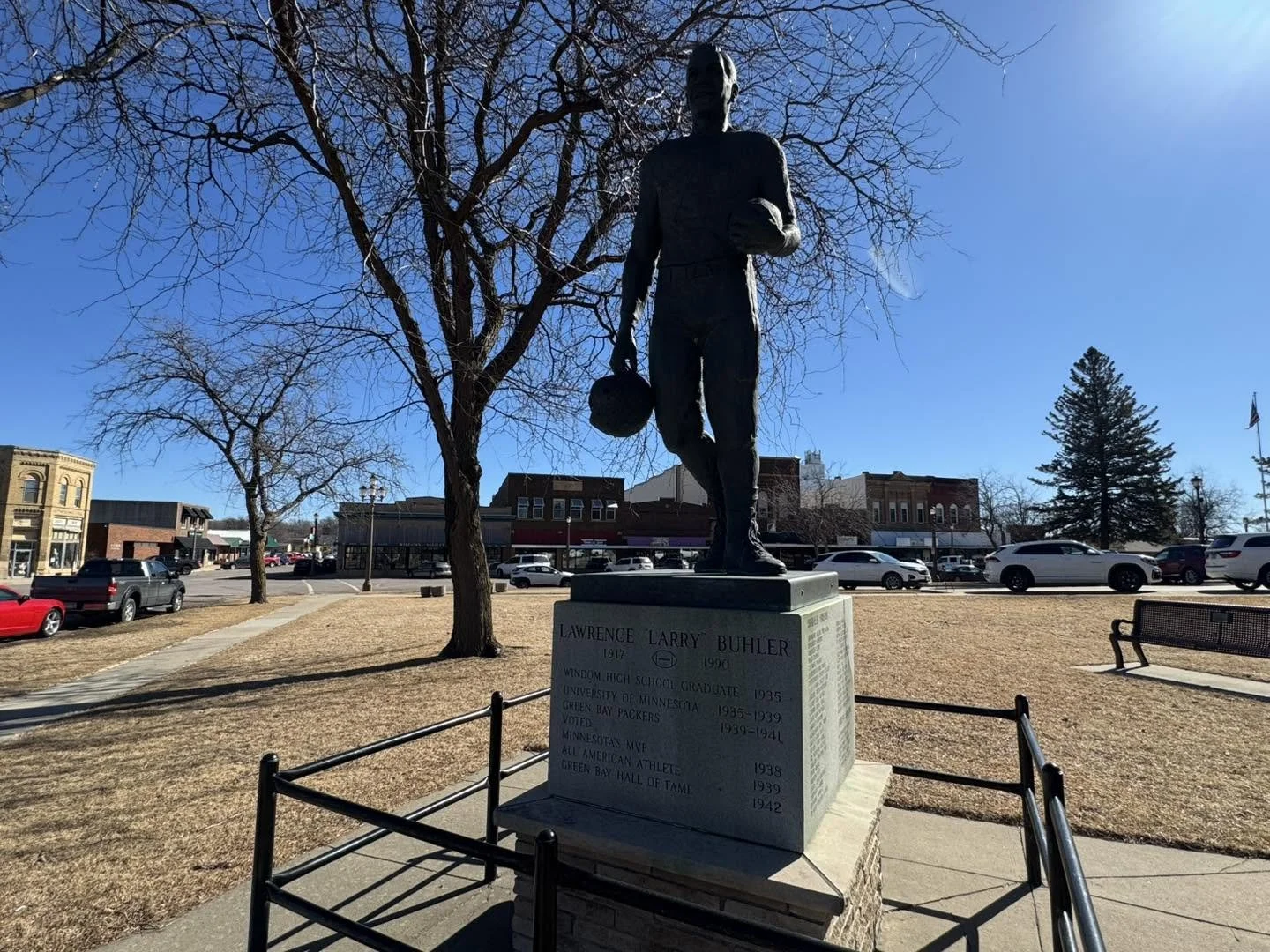
Windom Riverfest brings a parade, fireworks, and a weekend of events each June, and the Cottonwood County Fair follows later in the summer. Windom also has a long history of its police department being woven into everyday community life. When the city bought its first police car in 1935, it even doubled as a town taxi, giving rides to hospital workers and returning soldiers. That history is a reminder of something that still matters in a town this size: the officer asking you questions may be someone you know, recognize, or expect to see again.
You can know the officer. You can be polite. You can be respectful. And you can still say, “I want to talk to a lawyer before I answer questions.”
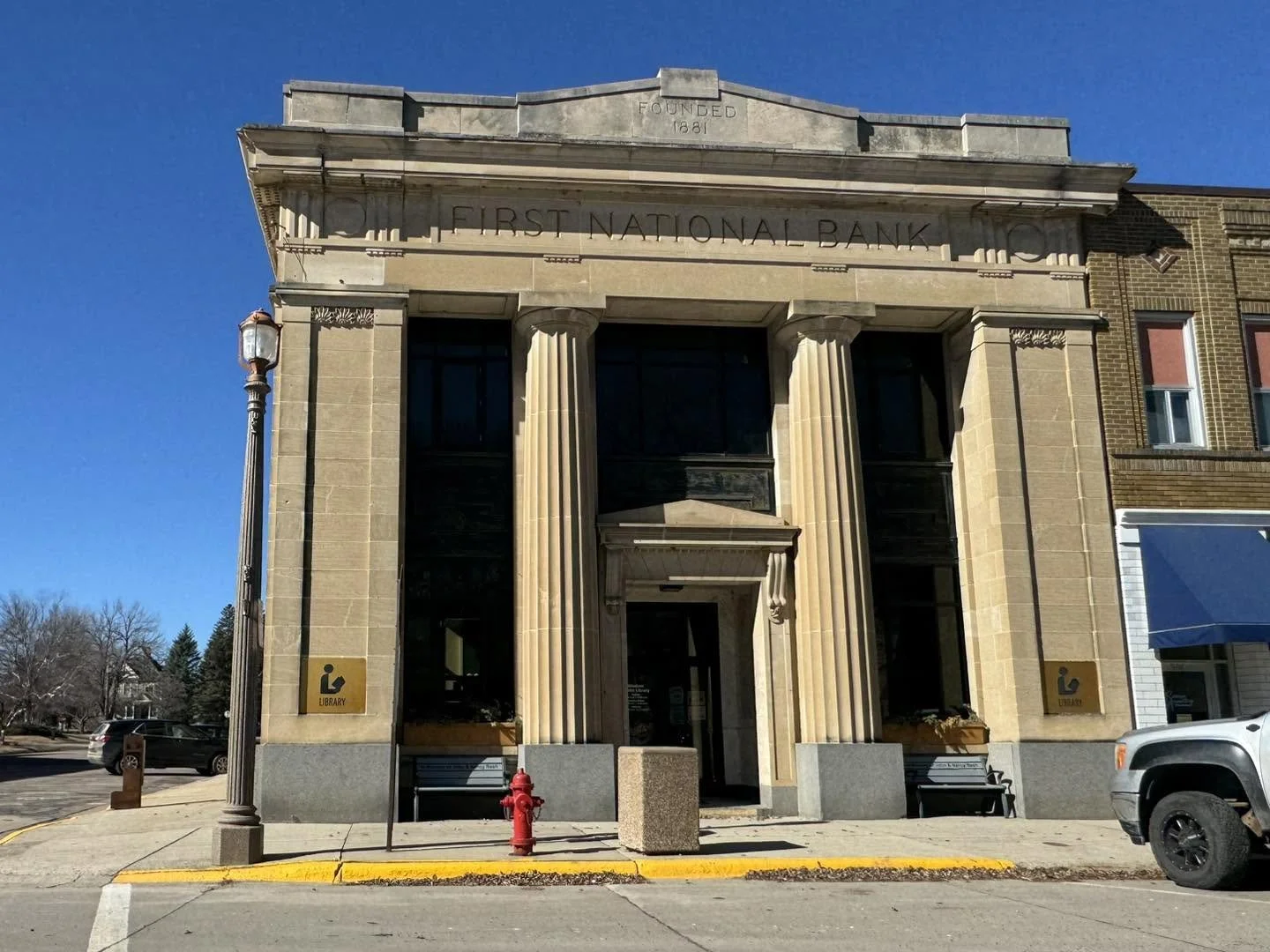

Arrested in Windom? What Happens Next?
The Cottonwood County Sheriff’s Office operates the jail at the Law Enforcement Center, so someone arrested in Windom will typically be taken to the Cottonwood County Jail in Windom.
If you are searching for someone who was arrested, the jail’s current custody list is available here.
At the first appearance, the Judge decides whether bail is necessary and what conditions, if any, will be in place while the case is pending. Those conditions can affect who you can have contact with, where you can go, and what the Court expects you to do while the case is open.
Being arrested also does not automatically mean you will sit in jail until that hearing. Some people are released beforehand and given a date to return to court. At the first appearance, you can apply for a public defender, or a private attorney can file a certificate of representation and appear with you.
If a Loved One Has Been Arrested and is in Jail, What You Need To Know:
What Not To Do
DO NOT TALK ABOUT THE CASE ON THE PHONE. Jail calls are recorded. What your loved one says, and what you say back, can become evidence.
ASSUME COMMUNICATION THROUGH THE JAIL IS NOT PRIVATE. Video visits may be recorded, mail can be read, and sending a message through someone else does not make the conversation private.
DO NOT CONTACT THE ALLEGED VICTIM FOR THEM. No apologies, no requests to drop the case, and no messages passed through someone else. If there is a no-contact order, your loved one can still be charged for contact made through a third person. Trying to help can create a brand new problem for them.
DO NOT POST ABOUT THE CASE. Not about the arrest, the allegations, the other people involved, or why you think your loved one is innocent.
What To Do Now
PRESERVE EVIDENCE BEFORE IT DISAPPEARS. Surveillance video may be recorded over within days. Save text threads. Do not wash, throw away, or alter clothing or objects that may matter later.
WRITE DOWN WHAT HAPPENED WHILE IT IS FRESH. Times, places, who was there, and what was said. Small details are much easier to remember now than they will be later.
GET NAMES AND PHONE NUMBERS. Write down how to reach anyone who saw what happened or spoke with your loved one that night.
TAKE PICTURES BEFORE THINGS CHANGE. Injuries heal. Property gets repaired. Scenes get cleaned up. Photograph what matters now.
GET ME THE INFORMATION I NEED FOR BAIL. Before the first hearing, tell me about your loved one’s family and community ties, employment, finances, criminal history, past court appearances, any history of failing to appear, and anything relevant to safety concerns involving the alleged victim, other people, or the community. Where they live, who depends on them, how long they have been in the community, and whether they have consistently shown up for court can all matter. If you have pay stubs, a lease, employer information, or other documents that help show those things, get them to me before court.
Charged in Windom? What Happens When You Call Me?
“You do not need to have everything figured out before you call me. In fact, I expect that you will not. You do not need to know the right questions to ask, and you do not need to convince me that you deserve help. You can start just by telling me what happened and what you are worried about most.
I will be honest with you about what I see, what concerns me, what we do not know yet, and what options you have. Making that first call does not commit you to anything. Sometimes the hardest part is simply picking up the phone. We can start there.
”
Who Handles a Windom Criminal Case?
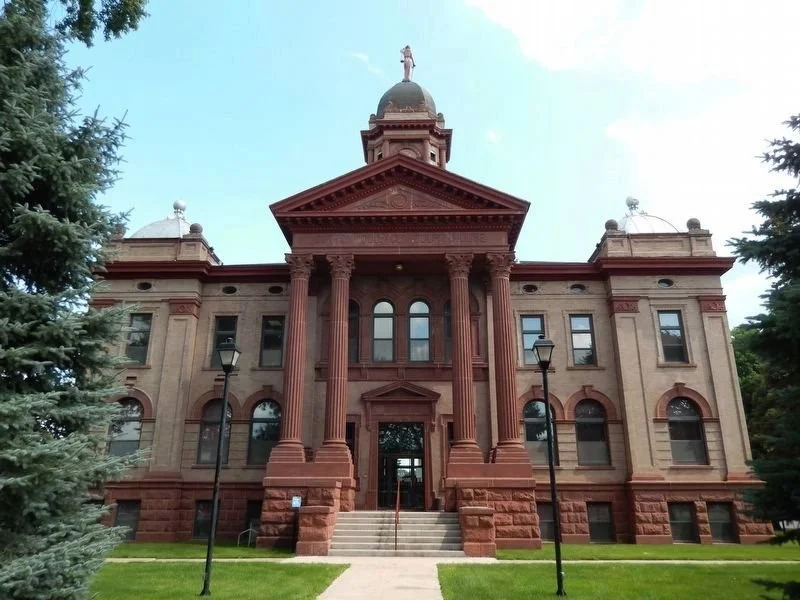
A criminal case from Windom is filed in Cottonwood County District Court:
Cottonwood County District Court
900 Third Avenue
Windom, MN 56101
This is a Fifth Judicial District court, and the Cottonwood County Attorney’s Office is the prosecutor for Windom cases. Depending on the hearing, you may appear in person or remotely. Your notice and any court order tell you which one applies.
Agencies that may investigate include the Windom Police Department, Cottonwood County Sheriff’s Office, Minnesota State Patrol, or the Minnesota Bureau of Criminal Apprehension, depending on the case.
Cases I Handle
DWI
A DWI case in Minnesota begins before a breath, blood, or urine test is obtained. Why the vehicle was stopped, whether the investigation was lawfully expanded, what the officer observed, and how standardized field sobriety tests and chemical testing were conducted can all matter to the defense.

Drug Possession or Sale
Drug charges in Minnesota often turn on how law enforcement found the drugs, whether there was a lawful search, and whether the State can connect them to the person accused. A substance found in a vehicle, home, or other shared space does not by itself answer who knew it was there or who possessed it. When sale is alleged, the evidence must also support the State’s claim that the conduct went beyond possession.

Felony Criminal Defense
Felony cases rarely turn on a single piece of evidence. The defense begins by testing the State’s theory against the entire record and separating what is alleged from what can actually be established.
Theft and Property Crime
Theft allegations in Minnesota often stem from misunderstandings, shared property, or disputed intent. Ownership, permission, intent, access, and the circumstances surrounding the property can all affect whether the State can establish a theft occurred.
Domestic Assault
Domestic assault cases can develop quickly from a highly charged event into a criminal allegation, sometimes before the surrounding context is clear. What was said and done before, during, and immediately after the incident can matter as much as the first account given to police.

Assault
Assault in Minnesota is not limited to physical contact. A charge can be based on an alleged intent to cause fear of immediate bodily harm or death, or on intentionally inflicting or attempting to inflict bodily harm. Intent, self-defense, the nature of any injury, and the circumstances of the encounter must all be examined in context.

Burglary
Being connected to a location does not, by itself, establish burglary. Important questions still need to be examined. Was entry without consent? What was intended or what occurred inside? Does the evidence actually connect the accused person to the charged conduct? These answers all contribute to a burglary defense in Minnesota.
Criminal Damage to Property
Property damage does not automatically explain who caused it, whether it was intentional, or what the damage is actually worth. Those questions can be central to a criminal damage to property case in Minnesota, including whether the State can prove the offense and the level of charge alleged.

Criminal Sexual Conduct Defense
A criminal sexual conduct allegation in Minnesota must be examined in the context of the evidence surrounding it. Chronology, communications, the way statements were obtained, and medical, digital, or forensic evidence may support, contradict, or place the allegation in a different context.
Felon in Possession and Prohibited Person Firearm and Ammunition Charges
Simply being near a firearm—especially in shared vehicles, homes, or rural properties—does not by itself answer who possessed it or whether the person knew it was there. In shared spaces, access and control matter, and so does whether the alleged legal prohibition actually applied.
Fleeing A Police Officer
Not stopping immediately does not tell the whole story of a fleeing case. The clarity of the officer’s signal, what the driver could perceive, the sequence of events, and whether the conduct shows an intent to elude all matter all matter when determining whether the driver intentionally attempted to elude the officer.
DNA Evidence in Minnesota Criminal Cases
DNA evidence can be powerful, but human judgment can still play a role in its interpretation, making careful review important. Even a scientifically sound DNA result does not, by itself, establish when biological material was deposited, how it got there, or what happened. A DNA result may be scientifically sound and still be legally misleading when used to support a conclusion the science does not establish.

If your Windom Case Involves DNA
DNA can get complicated quickly when family members live in the same house, use the same vehicles, and handle the same things. Finding someone’s DNA on an item does not automatically tell us when it got there, how it got there, or what that person was doing.
The BCA laboratory tests biological evidence collected in Windom. The final report may give a conclusion or a statistic, but it can not not explain the everyday context behind the sample in a shared living space.
Family members touch the same doors, furniture, tools, phones, vehicles, clothing, and household items. DNA can move between people and objects through ordinary contact. In cases where family members could have also contributed DNA it can make the interpretation itself more complicated because they share more DNA with each other than unrelated people do.
If DNA is found on something from a shared home, cabin, truck, or boat, I want to know much more than whose profile may be present. I want to know who had access to the item, who normally used it, how it was collected, and whether the testing properly considered related contributors.
The final report will not answer most of those questions. The underlying laboratory file is where I get those answers.
I do this work every day, and attorneys and families across Minnesota ask me to review DNA evidence in their cases. I am a Fellow of the American Academy of Forensic Sciences and a former Chair of its Jurisprudence Section. I have completed STRmix training and train defense attorneys statewide on DNA evidence. Call me and let’s talk about what the DNA actually shows in your case.
Common Questions About Windom Criminal Cases
-
It can if you plan to come into my office. My office is in Westbrook, so Cottonwood County is home for me. I regularly handle criminal cases in Windom. Being local means I know the court, the people involved, and how cases tend to move here. But the office address alone is not what matters. What matters is whether your lawyer actually knows Cottonwood County and has experience handling criminal cases here.
-
No. Get legal advice before you agree to an interview or answer questions. The right choice depends on what the investigation is about, what officers already know, and how they view you. In most situations the best thing to do is decline and call an attorney immediately. Simply say you want to talk to a lawyer first.
-
No. You do not need to wait until charges are filed to call me. If law enforcement is still investigating, that is often when I would rather be involved—before you agree to an interview, consent to a search, or evidence disappears. Once you have given a statement or consented to something, we usually cannot take it back. I have seen cases where some of the strongest evidence against a person came from their own words, even when they were trying to explain something innocent.
-
Not always. Some hearings at the Cottonwood County courthouse in Windom are held remotely. Your hearing notice tells you whether to come in person. Missing a hearing can lead to a warrant, so keep every notice.
-
At the first appearance, the Judge decides whether bail is necessary and what conditions, if any, will be in place while the case is pending. Those conditions can affect who you can have contact with, where you can go, and what the Court expects you to do while the case is open.
Being arrested also does not automatically mean you will sit in jail until that hearing. Some people are released beforehand and given a date to return to court. At the first appearance, you can apply for a public defender, or a private attorney can file a certificate of representation and appear with you.
-
It stays in Cottonwood County. Criminal cases are generally handled in the county where the alleged offense took place, regardless of where you live.
-
A local officer or deputy packages it and sends it to the Minnesota Bureau of Criminal Apprehension laboratory in St. Paul, where it is tested and interpreted. The report is then sent to the prosecution. Your lawyer can ask for the full laboratory case file, not just the report.
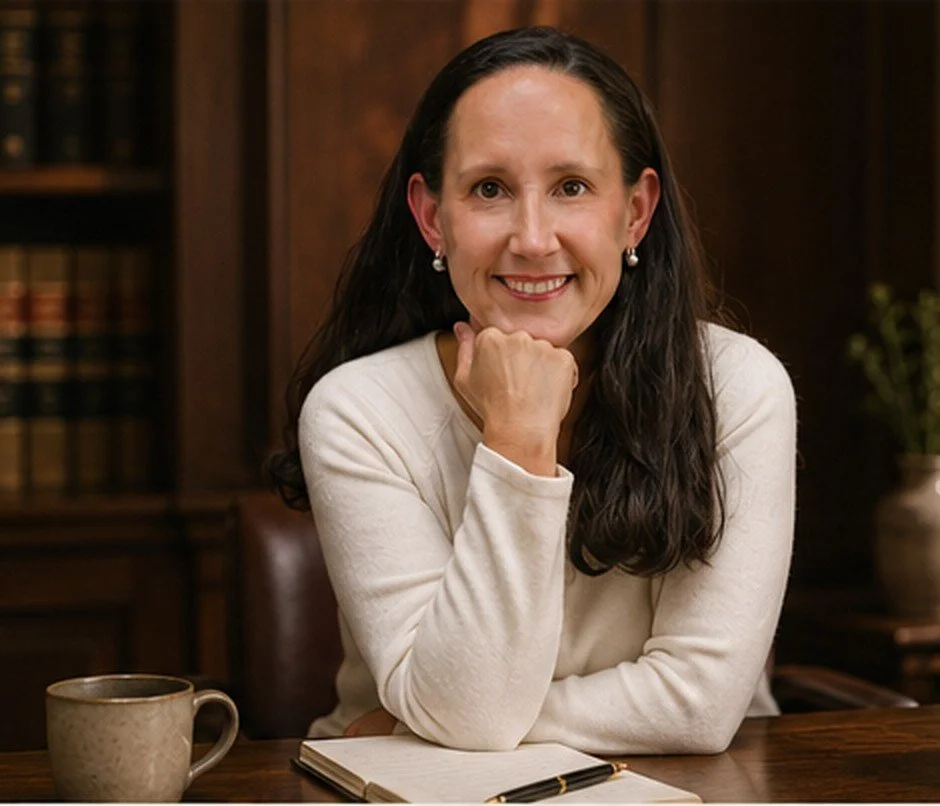
Contact a Windom Criminal Defense Lawyer
Call me, let’s talk.
A criminal charge can make it difficult to think beyond the next court date. You may not know what evidence exists, what the prosecutor will do, or how the case could affect your family, job, license, or freedom.
You do not have to figure it out alone.
I will listen to what happened, review the situation with you, and explain what I believe should happen next.
This page provides general information and is not legal advice. Every criminal case depends on its own facts, evidence, and procedural history.
Practice Scope
My criminal defense practice does not include speeding or minor traffic infractions, probation violation representation, appellate or postconviction work, separate driver's license revocation proceedings, commercial driver's license (CDL) matters, or civil harassment restraining orders (HROs) or orders for protection (OFPs). I do handle the criminal DWI case itself.