

Clear Answers on Criminal Defense and Forensic DNA Issues
Beyond the Evidence
A note from Ginny

This blog is here for anyone facing criminal charges or attorneys looking for forensic DNA guidance.
I break down complex legal and scientific topics into straightforward, honest advice.
Every post is written to help you feel seen, understood, and confident about your next step. Whether you’re searching for clarity on your case or looking to deepen your forensic knowledge, you’ll find practical insights here.
— Ginny Barron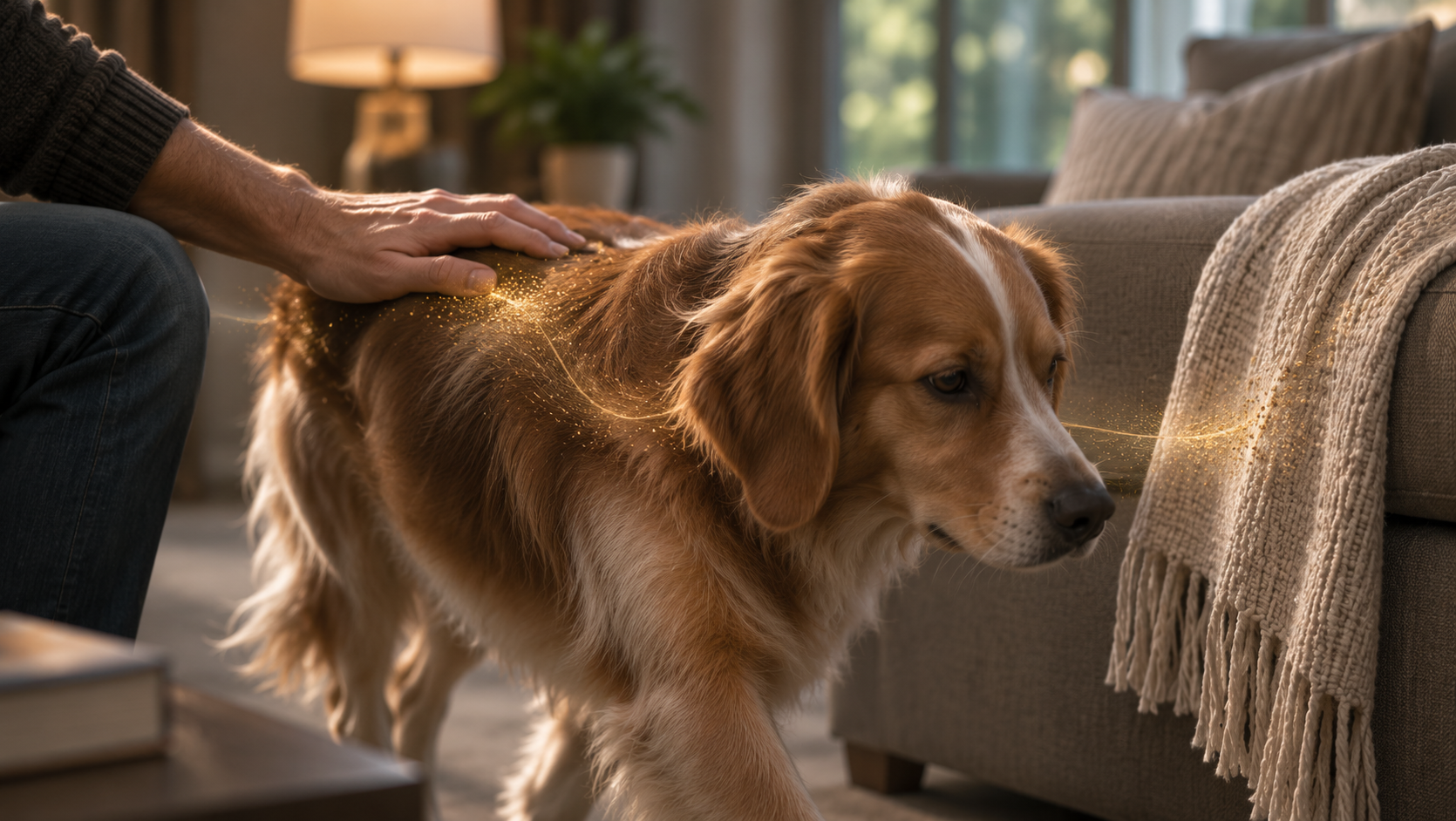
Can Your Pet Move Your DNA? What Dogs and Cats Reveal About Secondary DNA Transfer
Studies of household dogs and cats show that pets can carry and transfer human DNA, creating another possible pathway for secondary DNA transfer in shared homes.

DNA From Someone Who Never Touched the Evidence: What a New Forensic Case Reveals About Indirect DNA Contamination
A forensic case found a strong DNA profile from someone who never touched the evidence, illustrating how indirect contamination can create a correct but misleading result.

From DNA Comparison to Activity-Level Opinion: Why Forensic Science Is Drawing a New Line
A valid DNA comparison does not automatically explain how DNA arrived. Recent forensic guidance draws a clearer line between source and activity-level opinions.

When DNA Contamination Happens: Why the Laboratory’s Response Matters
A forensic laboratory’s response to DNA contamination can determine whether the event is detected, contained, disclosed, investigated, and understood in court.

Beyond the STRmix Number: What Makes STRmix Testimony Reliable?
Reliable STRmix testimony depends on validation, training, transparent propositions, documented analyst decisions, accurate likelihood-ratio language, and stated limits.

Not All DNA Evidence Is Worth Challenging, but More of It Is Than You Think
Not every DNA result is worth challenging, and the report alone rarely shows which cases are. Learn how a review of the underlying file separates strong evidence from evidence that should be challenged.

DNA Mixtures and Relatives: How a Family Member Can Affect STRmix Results
Relatives share genetic information, which can complicate mixed DNA interpretation. Learn why STRmix assumptions and the relationships between possible contributors deserve careful examination.

DNA Evidence Does Not Prove Intent in Assault Cases
DNA may indicate whose biological material is present, but it cannot establish intent. Assault allegations require examining conduct, context, and what the State must prove.

How DNA Evidence Is Presented in Minnesota Courts
A laboratory report is only part of the DNA evidence. Learn how collection, interpretation, assumptions, and courtroom presentation can shape what jurors hear.

DNA Evidence in Criminal Cases: Why Presence Is Not the Same as Guilt
Finding a person’s DNA does not automatically establish criminal conduct. This article examines the gap between biological presence and proof of the alleged activity.
What Is STRmix and How Is It Used in Minnesota Courts?
STRmix evaluates competing explanations for complex DNA mixtures and produces likelihood ratios. Learn what those statistics mean and which assumptions matter in court.

Low Copy Number (LCN) DNA Evidence: A Minnesota Forensic DNA Attorney Examines What the Lab Report Leaves Out
Very small DNA samples can produce uncertain profiles and difficult interpretation decisions. Learn why the underlying laboratory data may matter more than the summary report.
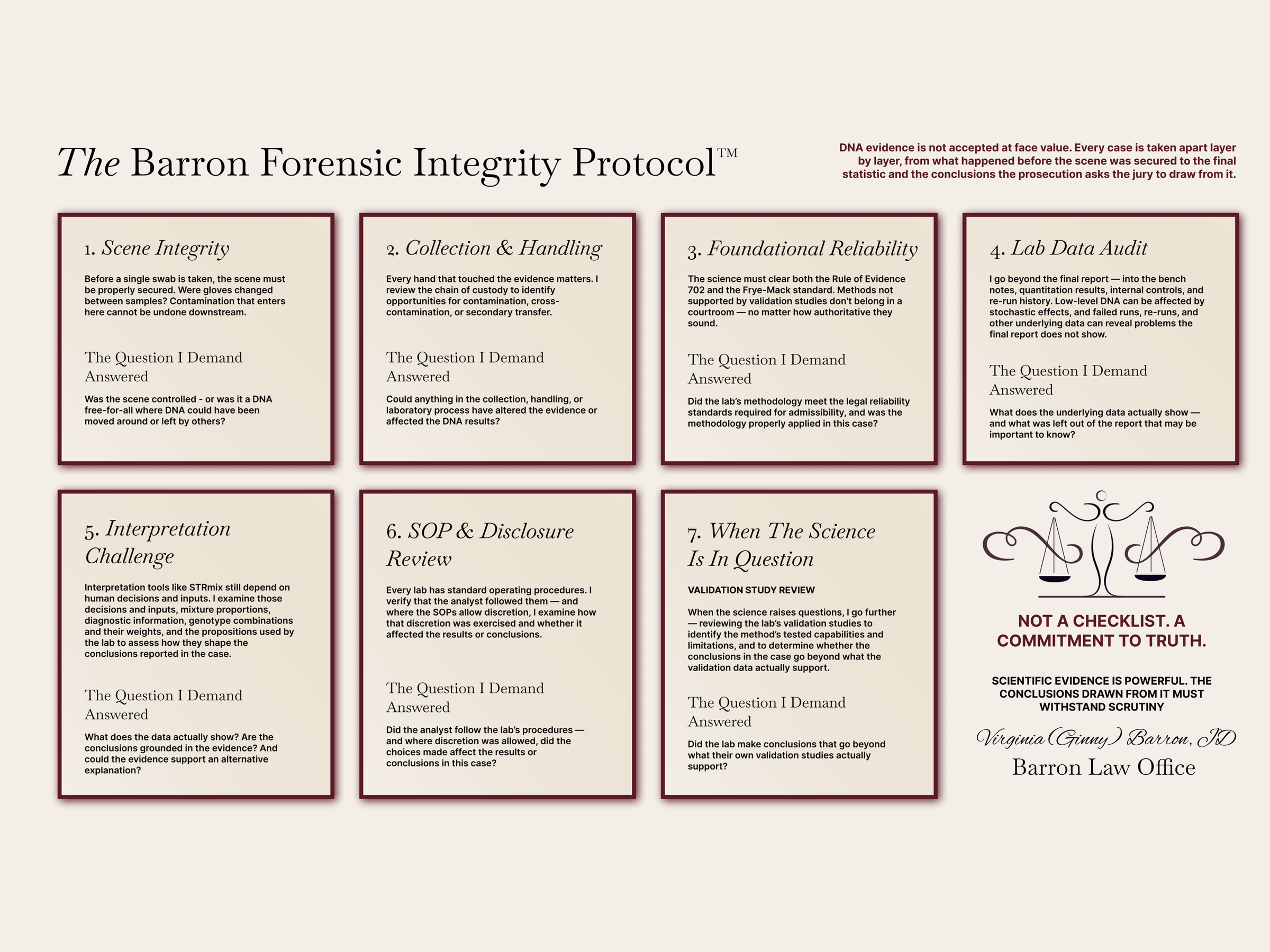
The Barron Forensic Integrity Protocol
A meaningful DNA review goes beyond the final laboratory report. Learn how underlying data, procedures, interpretation choices, and scientific limits are examined systematically.
What Does a “DNA Match” Actually Mean in Court?
A reported DNA match does not answer every question in a criminal case. Learn how source-level statistics differ from conclusions about activity and guilt.

Understanding STRmix and DNA Mixture Interpretation in Court
Complex DNA mixtures require statistical modeling and interpretation choices. Learn how STRmix evaluates competing propositions and why the resulting number needs context.
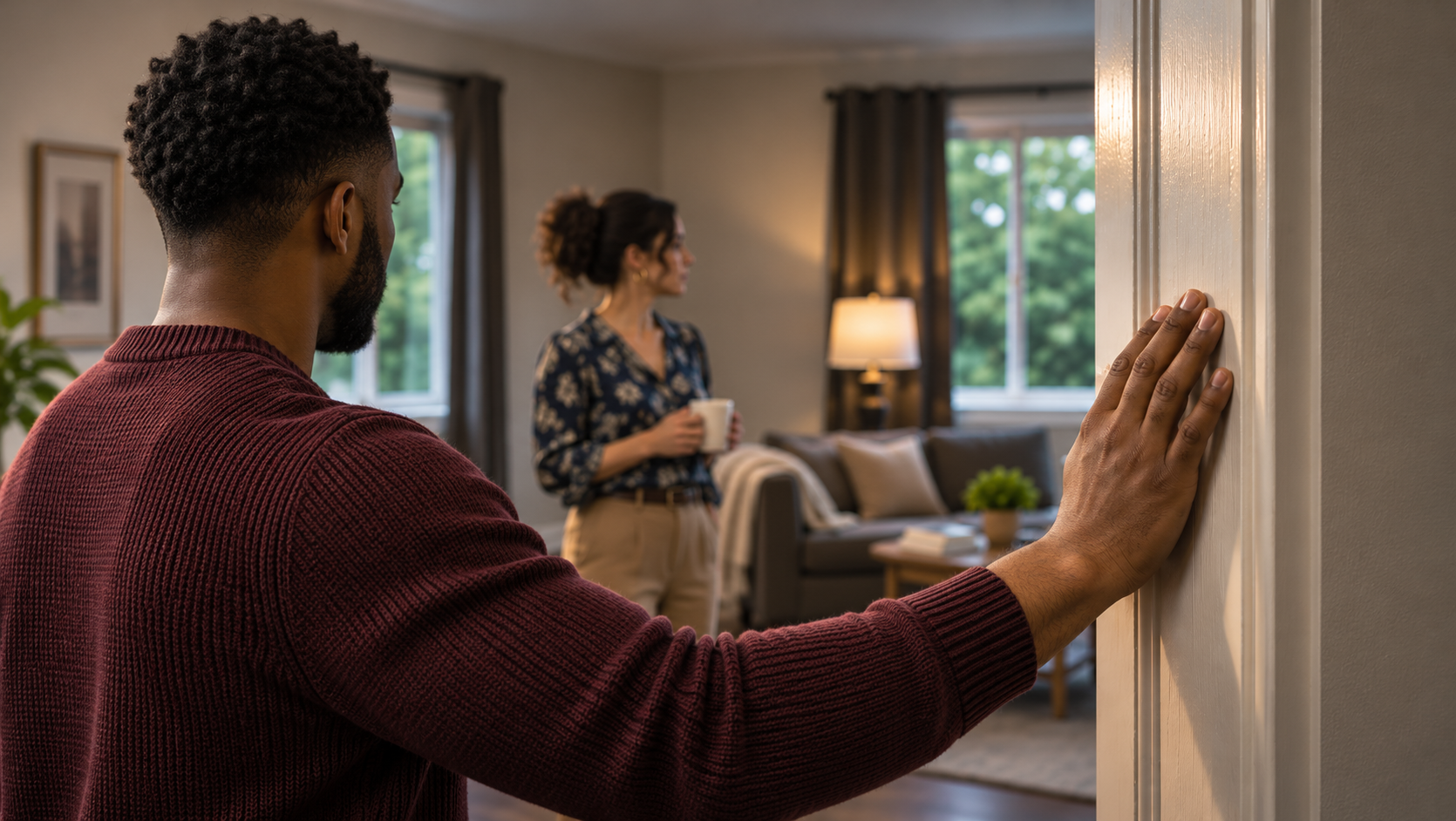
DNA Evidence in Minnesota Assault Cases: What It Proves—and What Prosecutors Can’t Prove: A Defense Attorney’s Perspective from Barron Law Office
DNA evidence in assault cases may support an association without establishing timing, consent, or intent. Learn why the surrounding circumstances still matter.

What Happens When the DNA Matches But You Are Innocent?
A DNA match can be real and still have an innocent explanation. Learn how transfer, contamination, mixture interpretation, and shared environments can implicate someone who did nothing wrong.

From Lab to Courtroom: Why DNA Evidence Isn’t Always Clear and How it Can Get Misinterpreted in Minnesota Criminal Cases
Different laboratories can interpret the same DNA mixture differently. Learn why mixtures, low DNA quantities, analyst judgment, and software assumptions can produce different results from the same evidence.

DNA Stutter Explained: Why Small Peaks Can Create Big Problems in Criminal Cases - What a Defendant Needs to Know About DNA Stutter
Stutter peaks are expected artifacts of DNA amplification, but distinguishing them from true genetic information can be difficult, especially in complex mixtures.

What DNA Evidence Really Proves in Assault Cases (And What Prosecutors Don’t Tell Juries)
DNA in an assault case can show biological material, not conduct, consent, or timing. Learn why prosecutors use DNA as a narrative tool and how overstated forensic claims are challenged.