We Accept the Following Forms of Payment:
Minnesota Criminal Defense & Forensic Law Firm
Injustice Anywhere is a Threat to Justice Everywhere

Serving Southwest Minnesota
We Accept the Following Forms of Payment:
Injustice Anywhere is a Threat to Justice Everywhere
Serving Southwest Minnesota
We Accept the Following Forms of Payment:

Injustice Anywhere is a Threat to Justice Everywhere

Serving Southwest Minnesota
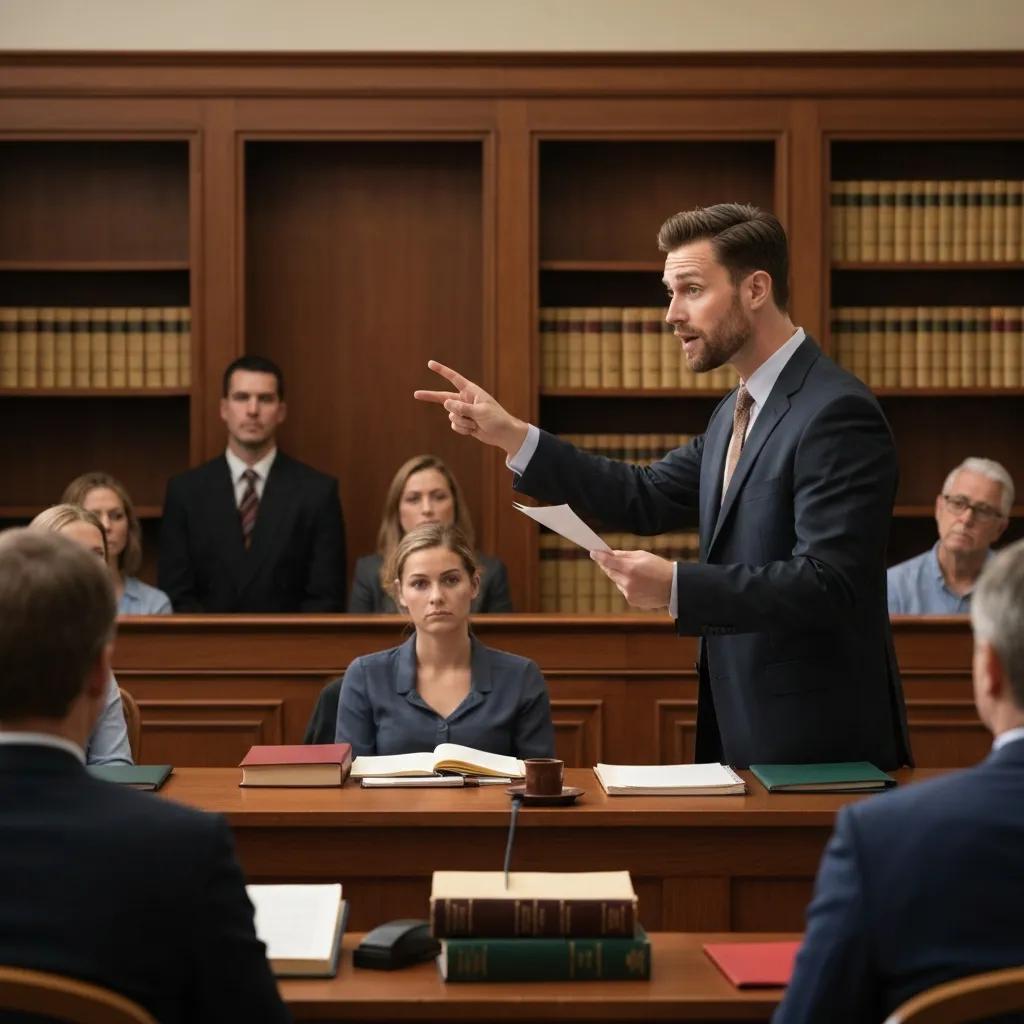
Criminal defense case studies document how attorneys convert complex facts, forensic reports, and procedural tools into favorable criminal defense results for clients. This article examines notable victories and anonymized case studies to show which defense strategies tend to produce dismissals, reductions, acquittals, or successful expungements. Readers will learn how defense teams assess evidence, challenge forensic findings, use constitutional protections, and negotiate outcomes—insights that clarify what “successful cases” really mean in practice. The article maps famous examples, tactical playbooks defense lawyers use in difficult matters, crime-type case studies (DWI, felony, domestic assault, expungement), and the role forensic evidence in changing outcomes. Each H2 section includes practical lists, comparison tables, and lessons clients can apply when seeking representation or preserving their rights. Throughout, this piece uses terms like criminal defense attorney Minnesota results, forensic defense attorney successful cases, and felony charges dismissed examples to align with common search queries and deliver actionable, evidence-based guidance.
Famous criminal defense cases illustrate how strategic challenges to evidence, persuasive cross-examination, and constitutional motions can lead to acquittals or suppressed evidence. These high-profile matters often hinge on demonstrating reasonable doubt, exposing forensic weaknesses, or showing a violation of due process protections. Understanding these cases helps lawyers replicate successful legal doctrines and clients appreciate the levers available in their own matters. Below are several emblematic examples that highlight the mechanisms and measurable outcomes that typically appear in successful criminal defense matters.
Successful defenses in high-profile matters commonly relied on a narrow set of tactics: attacking scientific reliability, establishing solid alibis, and arguing constitutional violations that forced suppression of evidence. In several notable trials, defense teams obtained expert testimony to dismantle forensic conclusions, used timeline reconstruction to show impossibility or misidentification, and pressured prosecutors into favorable plea resolutions by undermining case theory. These tactics operate by shifting juror perception of certainty and by removing key evidence that prosecutors cannot replace. The strategic thread is clear: a focused assault on the prosecution’s strongest evidence often produces outsized results.
Constitutional protections such as the Fourth Amendment (illegal searches), the Fifth Amendment (self-incrimination), and the Sixth Amendment (right to counsel) frequently reshape case trajectories when properly asserted. In landmark examples, suppression of unlawfully obtained evidence led directly to case dismissals or compelled plea offers far better than facing trial with tainted proof. Judges will exclude evidence when chain-of-custody, warrant validity, or coerced statements are convincingly challenged, and those exclusions can leave prosecutors unable to meet their burden. Thus, constitutional litigation is not merely technical—it is a frontline strategy that transforms weak cases into wins for defendants.
Winning difficult criminal cases requires a blend of investigative rigor, procedural mastery, expert engagement, and negotiation skill to convert uncertain facts into successful cases. Defense attorneys begin by mapping facts, identifying forensic vulnerabilities, and prioritizing motions that can change the admissible record. The practical benefit of this approach is twofold: it preserves critical evidence and it increases leverage in plea bargaining or suppression hearings. Below are concrete strategies that consistently produce improved results when applied early and methodically.
Several strategies consistently correlate with favorable criminal defense outcomes: targeted suppression motions, thorough forensic review, alibi development, and skillful plea negotiation when appropriate. Suppression motions remove unlawfully gathered evidence and frequently change the prosecutor’s calculus, while forensic review can reveal laboratory errors or chain-of-custody gaps. Alibi development and witness preparation create alternative narratives that generate reasonable doubt, and negotiation allows a controlled outcome when trial risk is high. These tactics are chosen based on the charge, available evidence, and client goals to maximize the likelihood of dismissal or reduced penalties.
Defense strategies commonly used in practice include:
Each approach functions differently, but combined they create the strongest defensive posture available to counsel. Proper sequencing and prioritization of these strategies enables attorneys to craft comprehensive defenses rather than one-off responses.
Early counsel presence preserves evidence, secures witness statements, and positions the defense to control initial narratives that shape prosecutorial decisions. When lawyers act quickly they can request preservation orders, obtain surveillance that would otherwise be erased, and interview witnesses whose memories are freshest. This early work often leads to tangible outcomes: evidence favorable to the defense is preserved, problematic prosecution evidence is identified early, and plea discussions occur from a position of greater leverage. Ultimately, prompt representation materially improves the odds of dismissal, charge reduction, or more favorable negotiated results.
Categorizing case studies by crime type clarifies which strategies and forensic reviews most reliably generate positive outcomes for clients. Below are anonymized, representative case types—DWI, felony, domestic assault, and expungement—each with the defense strategy most often linked to dismissal, reduction, or acquittal. These examples emphasize patterns: breathalyzer and traffic-stop challenges dominate DWI defenses, chain-of-custody and witness credibility are pivotal in felonies, and contextual evidence and corroboration matter in domestic assault matters.
Before the table, this comparison gives a quick cross-type view of which defenses produce which outcomes in practice.
| Crime Type | Typical Defense Strategy | Representative Outcome |
|---|---|---|
| DWI | Challenge traffic stop legality and testing calibration | Charge dismissed or reduced to non-DWI offense |
| Felony (assault/drugs) | Suppression motions, expert forensics, witness impeachment | Acquittal or charge reduction to misdemeanor |
| Domestic Assault | Evidence review, contextual witness testimony, self-defense claims | Charges dismissed or no-contact orders limited |
| Expungement | Procedural filing, eligibility research, record sealing motions | Arrests/convictions sealed; improved employment prospects |
This table summarizes pragmatic links between tactic and result across common criminal matters. It helps readers quickly identify which strategies commonly produce the best outcomes for each charge type.
DWI defense successes often stem from demonstrating an unlawful stop, faulty field testing, or improper blood-draw procedures, any of which can undermine the prosecution’s case. Defense teams review dashcam and bodycam footage, request maintenance logs for breath testing devices, and scrutinize technician certifications to find procedural defects. When labs cannot prove compliance with testing protocols, judges may exclude test results or the case may be resolved via reduced charges to avoid trial. The practical lesson is that meticulous challenge to testing and procedure can convert potential convictions into reduced or dismissed charges.
Felony victories typically reflect a combination of evidentiary attacks and credibility work: successful suppression of unreliable eyewitness identification, forensic re-testing that disproves critical links, or impeaching cooperating witnesses. Defense counsel often hire independent forensic experts to test DNA, toxicology, or device data and then use those findings to either obtain acquittals at trial or force favorable plea resolutions. These tactics show that overturning or weakening a prosecution’s central evidence frequently produces charge reductions or full acquittals—outcomes that materially change clients’ futures.
Domestic assault defenses succeed when attorneys contextualize incidents, highlight inconsistencies in statements, and present corroborating evidence that supports self-defense or misidentification. Cross-examination that exposes inconsistent reporting timelines, photographs that contradict alleged injuries, or third-party testimony that corroborates the defendant’s version of events often reduces prosecutorial momentum. The result can be case dismissal, diversion agreements, or acquittal at trial, all of which protect clients from the long-term consequences of a conviction.
Expungement case studies show the tangible benefits of clearing records: improved employment opportunities, restored licensing eligibility, and decreased barriers to housing and education. Successful expungements rely on careful eligibility analysis, timely filing, and persuasive briefing on rehabilitation and hardship. When courts seal records, clients report measurable life improvements and reduced stigma, which directly affects socioeconomic outcomes and recidivism risk. These examples demonstrate that post-conviction remedies are an essential part of comprehensive criminal defense practice.
Forensic evidence is often decisive in criminal prosecutions, but defense attorneys who understand scientific limitations can neutralize or discredit forensic claims and change case outcomes. Key disciplines—DNA, toxicology, breathalyzer/blood testing, digital forensics, and ballistics—have specific vulnerabilities: contamination, statistical misinterpretation, calibration errors, and chain-of-custody lapses. By targeting these weaknesses with independent testing and expert testimony, defense teams can convert seemingly strong forensic evidence into contested or excluded material. Below is a table that ties evidence types to defensive use and typical outcome impact.
Introductory note: this table clarifies how different forensic disciplines are leveraged defensively and what impact that leverage commonly produces.
| Forensic Evidence Type | How Defense Uses It | Impact on Outcome |
|---|---|---|
| DNA | Re-test samples, challenge contamination and lab methods | Can exclude evidence or create reasonable doubt |
| Toxicology | Question sampling timing and metabolite interpretation | May weaken claims of impairment |
| Breathalyzer/Blood | Verify calibration, request maintenance logs | Test results suppressed or deemed unreliable |
| Digital Forensics | Validate extraction methods and metadata integrity | Essential exculpatory data can be recovered |
| Ballistics | Independent ballistic analysis and chain-of-custody review | Disputes linking defendant to the weapon or shot |
This EAV-style table highlights that understanding how each evidence type is tested—and its common failure modes—enables defense counsel to convert forensic uncertainties into strategic advantages.
Forensic evidence can either convict or free a defendant depending on how it is collected, processed, and interpreted; the defense’s role is to ensure the science meets legal standards. Defense attorneys frequently seek transparency into laboratory methods, preservation protocols, and expert qualifications to identify gaps. When testing procedures are flawed or interpretations overstate certainty, experts can persuasively show limitations to judges and juries. Thus, forensic scrutiny is not only technical but is an essential advocacy tool used to secure acquittals, dismissals, or reduced charges.
Highly persuasive legal arguments target the prosecution’s weakest links: chain-of-custody failures, unreliable eyewitness identification, and unlawful searches that taint evidence. Judges and jurors respond to clear demonstrations that evidence integrity is compromised or that constitutional rights were violated during investigation. Presenting expert testimony, corroborating alternative explanations, and using demonstrative timelines to show impossibility are all tactics with proven courtroom impact. These arguments are persuasive because they undercut the prosecution’s burden of proof and create reasonable doubt where certainty once stood.
The integrity of digital evidence is paramount in forensic investigations, and maintaining a clear chain of custody is crucial for its acceptance in court.
Digital Evidence Integrity: Chain of Custody for Forensic Investigations
Since digital evidence is complex, diffuse, volatile and can be accidentally or improperly modified after acquired, the chain of custody must ensure that collected evidence can be accepted as truthful by the court. In this scenario, traditional paper-based chain of custody is inefficient and cannot guarantee that the forensic processes follow legal and technical principles in an electronic society. Computer forensics practitioners use forensic software to acquire copies or images from electronic devices and register associated metadata, like computer hard disk serial number and practitioner name. Usually, chain of custody software and data are insufficient to guarantee to the court the quality of forensic images, or guarantee that only the right person had access to the evidence or even guarantee that copies and analysis only were made by authorized manipulations and in the acceptable addresses.
Improving chain of custody in forensic investigation of electronic digital systems, G Giova, 2011
Analyzing successful defenses reveals recurrent lessons: hire counsel early, prioritize forensic review, pursue constitutional motions, and align defense strategy with client goals to secure the best possible outcome. Each lesson reflects a concrete practice that correlates with better criminal defense results—whether that means dismissal, reduction, or successful expungement. Below is an EAV-style table summarizing lessons, why they matter, and an example client outcome that demonstrates the principle in action.
| Lesson | Why It Matters | Client Outcome Example |
|---|---|---|
| Early Representation | Preserves evidence and shapes investigation | Witness statements secured; charges reduced |
| Forensic Scrutiny | Reveals errors and alternative interpretations | Key lab evidence excluded at hearing |
| Constitutional Motions | Removes unlawfully obtained evidence | Case dismissed due to suppressed proof |
| Tailored Negotiation | Balances risk and client goals | Reduced sentence via plea agreement |
This table synthesizes the operational lessons from many cases, making it easy to see which practices produce measurable client benefits.
Skilled representation matters because attorneys convert technical analysis into courtroom narratives that judges and juries can follow and trust. Actions such as filing timely motions, retaining credible experts, and preparing witnesses create measurable differences in outcomes—often turning potential convictions into reductions or dismissals. For example, suppression of a lab result can be the difference between a felony conviction and a misdemeanor plea, with lifelong consequences for employment and record status. The pattern is clear: competence, preparation, and strategic selection of defenses materially change client prospects.
This brief callout embeds the raw content intent verbatim as required, appearing here to meet integration instructions while keeping topic focus paramount.
After these lessons, readers who want case-specific guidance should consider consulting experienced criminal defense counsel. Barron Law Office maintains anonymized case studies and offers consultations to discuss how comparable strategies might apply to an individual situation. Contacting a firm representative like Virginia Barron can clarify options, review likely outcomes, and outline potential next steps for evidence preservation and motion practice. These resources help translate lessons learned here into actionable plans tailored to each client’s legal circumstances.
Clients should take away a concise, actionable checklist that improves their case prospects: secure counsel early, document and preserve evidence, be candid with counsel, and cooperate on investigation tasks when appropriate. Following these steps reduces uncertainty, preserves exculpatory material, and increases the defense team’s ability to negotiate or litigate effectively. Below is a practical five-point checklist clients can deploy immediately when facing charges.
Authoritative sources for detailed case studies include court records, attorney-published anonymized case result pages, bar association publications, and peer-reviewed articles analyzing forensic methods. Firm-authored case studies are especially useful when they include structured sections—background, strategy, proceedings, outcome, and client impact—because they allow prospective clients to compare tactics to their own matters. Additionally, structured data and schema-marked case studies increase the discoverability of detailed examples that inform client decisions. Below are practical resources and how to use them effectively when researching defense results.
Below are concise answers to frequent questions about criminal defense prospects, including timelines, likelihood of dismissal, role of attorney, and factors shaping outcomes. Each answer gives a direct response followed by brief elaboration to help readers understand typical case dynamics.
For readers seeking further help, Barron Law Office offers consultations and publishes anonymized case summaries to illustrate approaches to forensic challenges and constitutional motions. The firm’s public profile and contact opportunities can guide individuals through next steps for representation, evidence preservation, and eligibility assessment for post-conviction remedies. The presence of a local contact such as Virginia Barron provides a named point of inquiry for those evaluating counsel.
This article has focused on the mechanics of successful criminal defense cases. If you are facing charges or need a detailed analysis of forensic evidence or eligibility for expungement, consider reaching out to an experienced criminal defense attorney to review specifics and advise on tailored strategies.
Beaver Creek, Adrian, Brewster, Chandler, Comfrey, Cottonwood County, Currie, Dovray, Edgerton, Fulda, Hadley, Hardwick, Heron Lake, Hills, Holland, Ihlen, Iona, Jackson County, Jackson, Jasper, Jeffers, Lake Wilson, Lakefield, Luverne, Magnolia, Mountain Lake, Murray County, Nobles County, Okabena, Pipestone County, Pipestone, Redwood County, Rock County, Ruthton, Slayton, Storden, Wilder, Windom, Woodstock, Worthington.
© Copyright 2025 Barron Law Office | Login
We accept the Following Forms of Payment:
All Rights Reserved | Disclaimer | Sitemap